
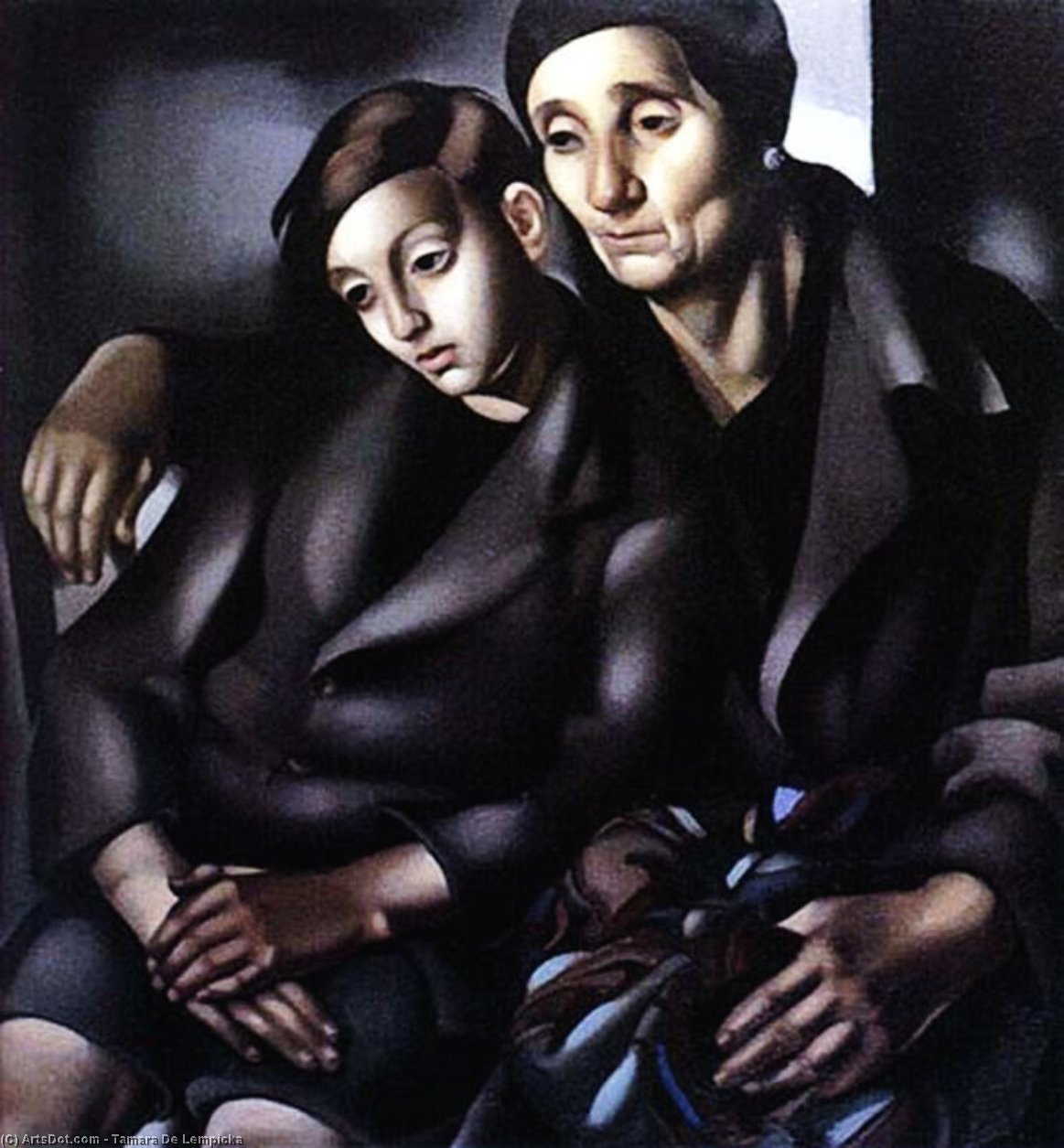
 The Refugees – Tamara De Lempicka. Wikioo.
“You’ve seen the refugees going nowhere, you’ve heard the executioners sing joyfully. You should praise the mutilated world.”
Zagajewski’s meaningful poem urges us to praise the mutilations, desecrations and brokenness of our world. He is asking a lot of us, and he knows that. The news currently is often grim and some people will not watch TV or read newspapers, as they try to escape from the true horror stories of life. What are the ways in which our world broken? So many distressing events are happening at once, in relation to climate change, war, pandemics, poverty, hunger, racial oppression, that we may wonder if we have any option but to feel downhearted in response.(Extract from Adam Zagajewski, translated by Clare Cavanagh, from Without End: New and Selected Poems (Farrar, Strauss and Giroux)
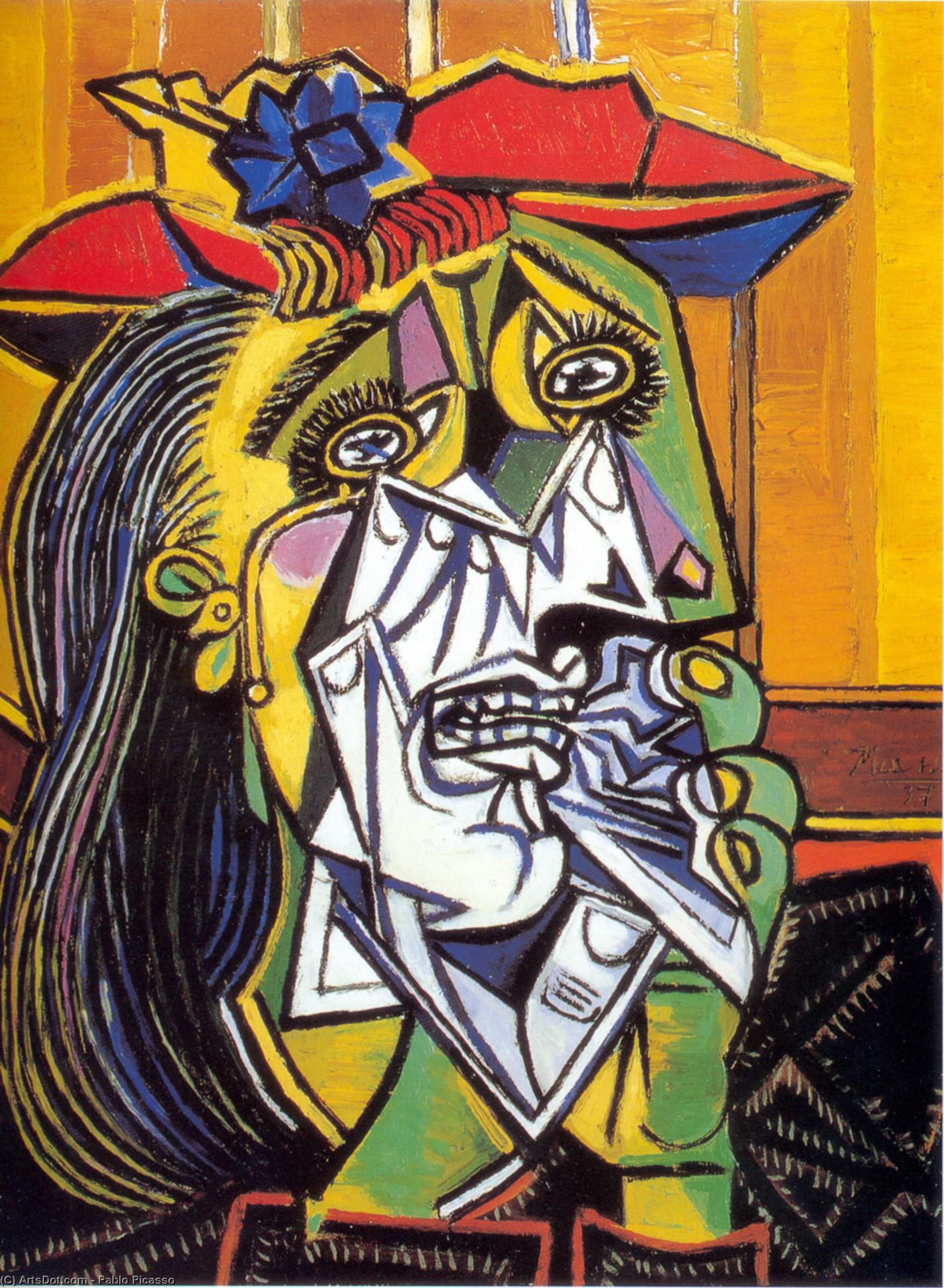 Weeping Woman – Pablo Picasso. Wikioo.
Our world is, indeed, broken in many ways. There has been a multitude of tragedies, accidents, homelessness, desperate refugees, war, poverty, disease and loss. Even in relatively peaceful and happy times, there will still be brokenness, for nobody is perfect. We all have broken bits, we all make mistakes…. perhaps in some ways we can learn to celebrate our brokenness? Over time, only some things can be mended. Tyrants can be defeated. Relationships can be healed. Reparation can be achieved. However, there will still be scars and painful memories, which we all have to learn to live with.“We are all broken. I mean, aren’t we now? I am. The whole wide world is.” Jandy Nelson
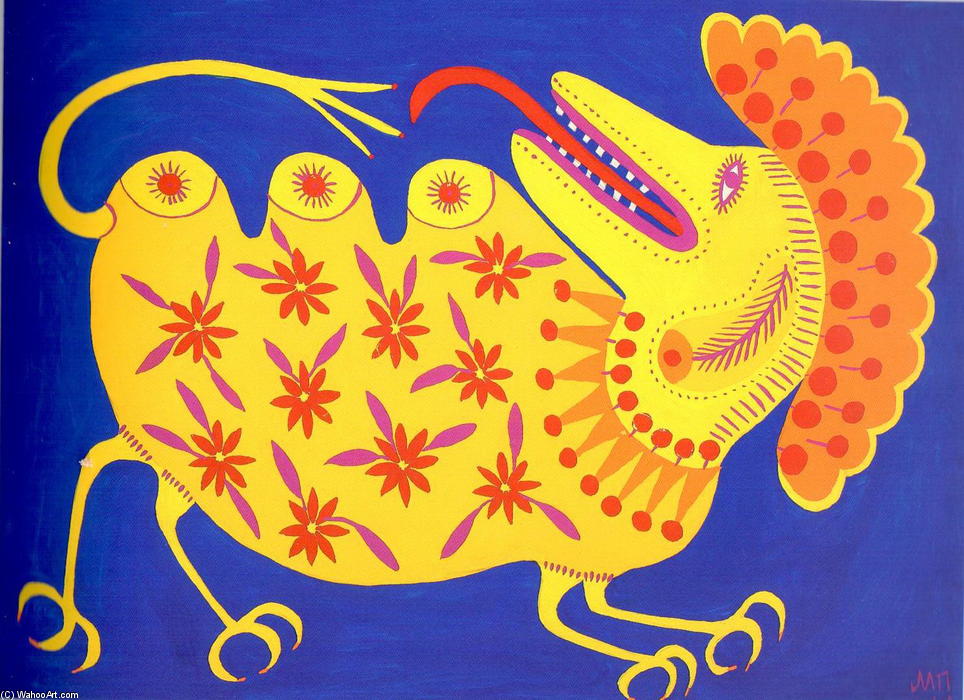 Savage Hump-Shaker – Maria Primachenko. Wikioo.
The phoenix can rise from the ashes, new can be made from the old and the discarded, from found objects, from the remnants of past lives.“Fairy tales are more than true: not because they tell us that dragons exist, but because they tell us that dragons can be beaten.”
Neil Gaiman, Coraline
 tifotter. cool new sculpture.Joe Pogan Sculptures.(found metal and silverware) Flickr.
“Found objects, chance creations, ready-mades (mass-produced items promoted into art objects, such as Duchamp’s “Fountain”-urinal as sculpture) abolish the separation between art and life. The commonplace is miraculous if rightly seen.”
Charles Simic
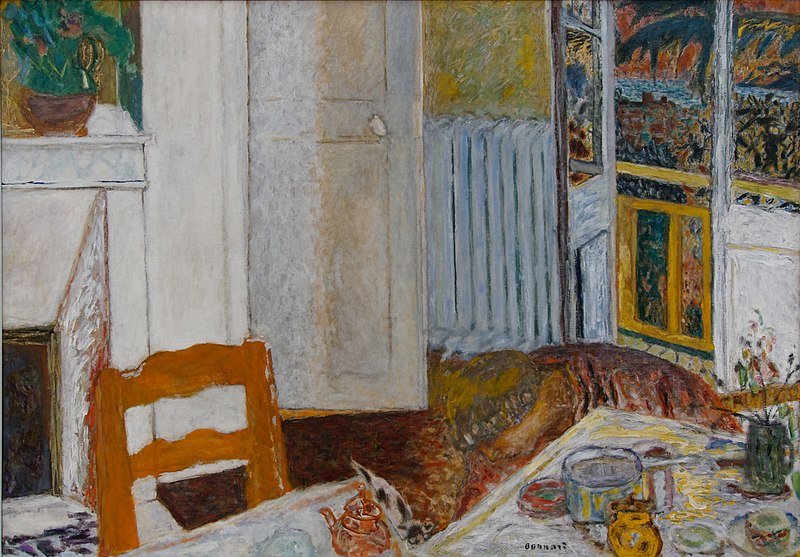 Pierre Bonnard. The White Room.
The beautiful poem still urges us to praise this ‘mutilated world,’ despite all the brokenness and pain. It offers us hope, in that there are still so many good things that we have, such as the bounties of nature, sunny days, collecting acorns in Autumn and wonderful, comforting memories.“Remember the moments when we were together in a white room and the curtain fluttered. Return in thought to the concert where music flared. You gathered acorns in the park in autumn and leaves eddied over the earth’s scars.”
(Extract from Adam Zagajewski, translated by Clare Cavanagh, from Without End: New and Selected Poems (Farrar, Strauss and Giroux)
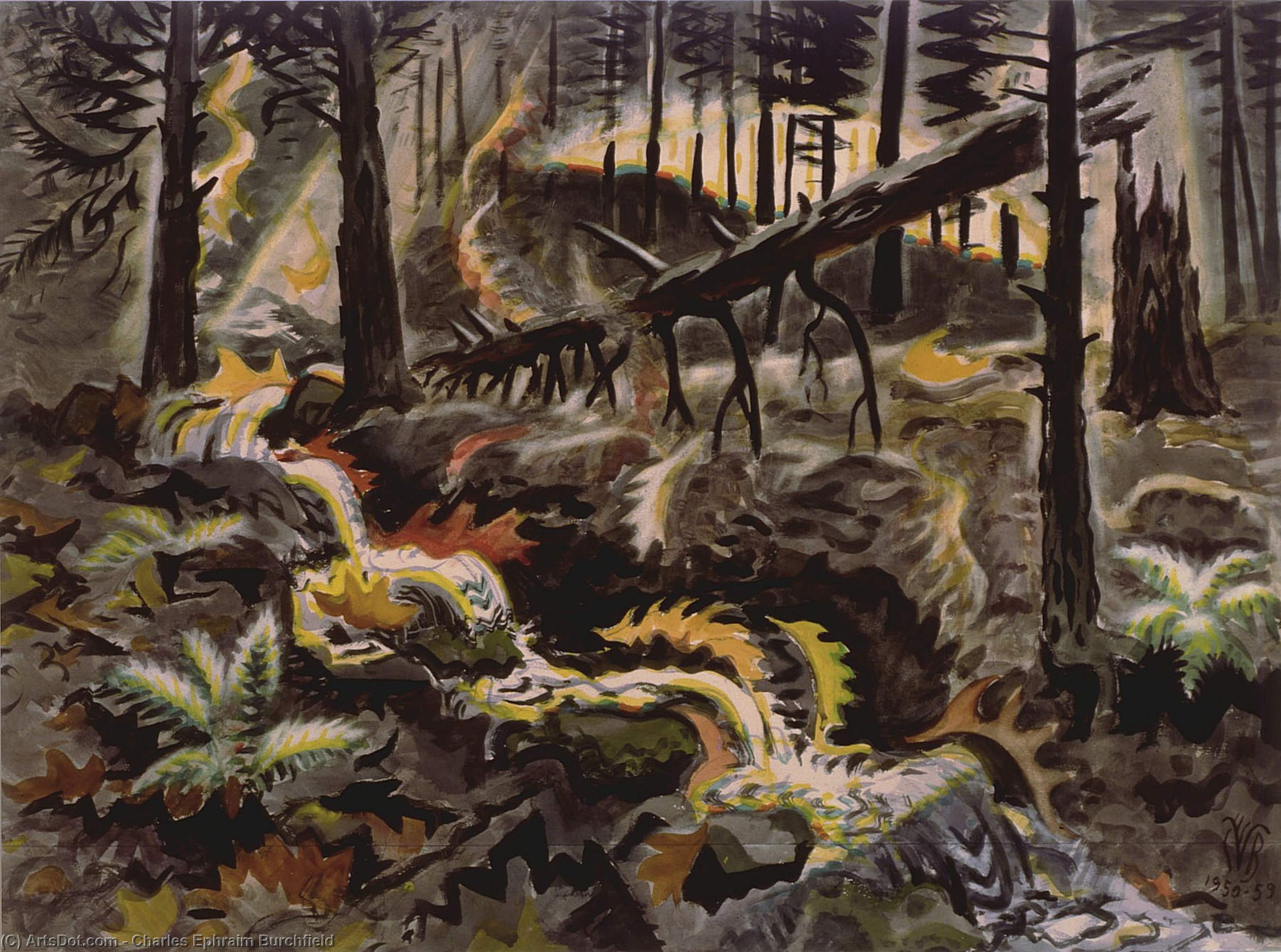 Autumn Leaves At Play – Charles Ephraim Burchfield. Wikioo.
Despite the distress that we see all around, there is still beauty and joy in the world. Noticing it all around us, we learn to feel gratitude for nature’s bounties.“ ‘Only today,’ he said, ‘today, in October sun, it’s all gold—sky and tree and water. Everything just before it changes looks to be made of gold.’ ”
Eudora Welty, The Wide Net and Other Stories
Living for the present and feeling appreciation for what we have now is not always easy. However, it is definitely a good way of managing our life: the past is gone, the future is unknown, we only have today and this moment.“In a dark time, the eye begins to see.”
Theodore Roethke
Although things are tough at this time, perhaps we can pause and try to appreciate what we do have in our lives that is good.“Exquisite beauty is often hidden in life’s fragile, fleeting moments.”
“Do not dwell in the past, do not dream of the future, concentrate the mind on the present moment.”
Buddha
“Praise the mutilated world and the gray feather a thrush lost, and the gentle light that strays and vanishes and returns.”
By Adam Zagajewski, translated by Clare Cavanagh, from Without End: New and Selected Poems (Farrar, Strauss and Giroux)
Love
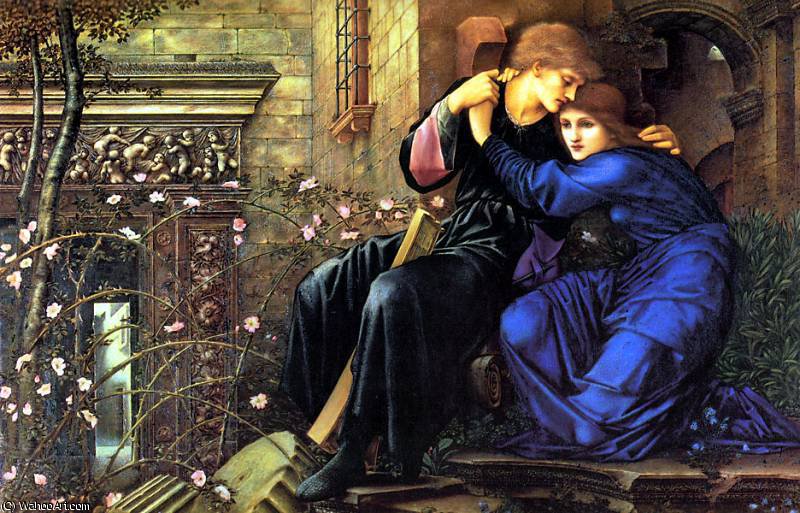 Love Among the Ruins – Edward Coley Burne-Jones. Wikioo.
Spreading light through love is a very powerful way of addressing the problem of human brokenness. Loving and being loved changes people, making them feel more whole and less fragmented.“Do not be dismayed by the brokenness of the world. All things break. And all things can be mended. Not with time, as they say, but with intention. So go. Love intentionally, extravagantly, unconditionally. The broken world waits in darkness for the light that is you.”
L.R. Knost
Psychotherapy.“Love cures people – both the ones who give it and the ones who receive it.”
Karl A. Menninger
Psychotherapy is also about repairing, or transforming human brokenness. The therapist’s empathic and accepting stance can enable the patient to feel more whole, less distressed and self-critical.“Psychotherapy is a cure through love.”
Sigmund Freud.
“You know, people come to therapy really for a blessing. Not so much to fix what’s broken, but to get what’s broken blessed.”
How can we do more than survive childhood damage? Can we ever recover? Many times, people search for someone, or something, to compensate for their past losses. This will inevitably mean disappointment, for no-one can ever replace the parents, or experiences, we did not have or rectify a broken childhood.
Thus, life is often disheartening. It might feel that people fall short of our expectations, as we seek the ‘perfect’ spouse, parent, child, sibling, guru, therapist, friend. Jung said-Despite our brokenness, somewhere inside there often is a light, a seed of hope for the future. Even an old broken chair can be beautiful enough to inspire a painting.‘Your vision will become clear only when you can look into your own heart. Who looks outside, dreams; who looks inside, awakes.’
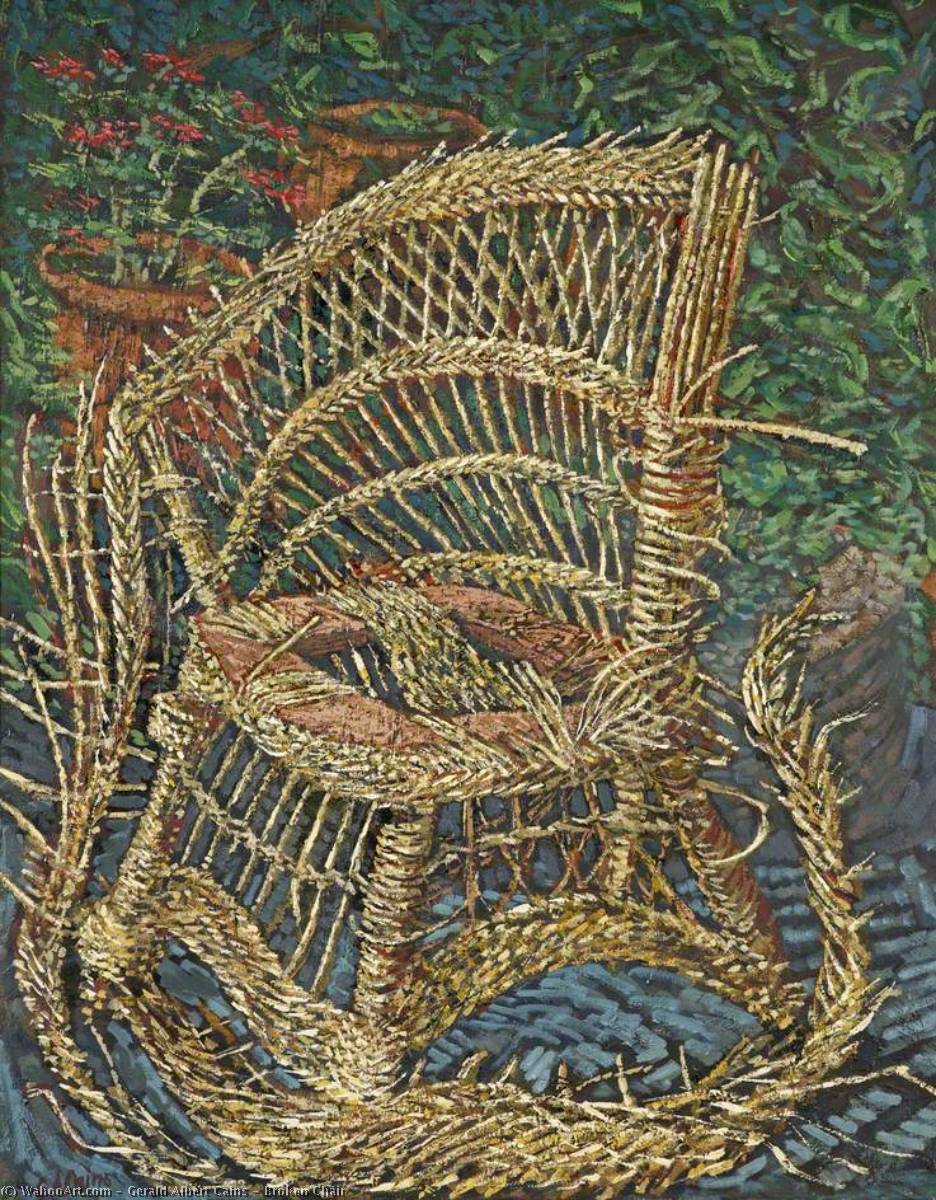 Broken Chair – (Gerald Albert Cains)
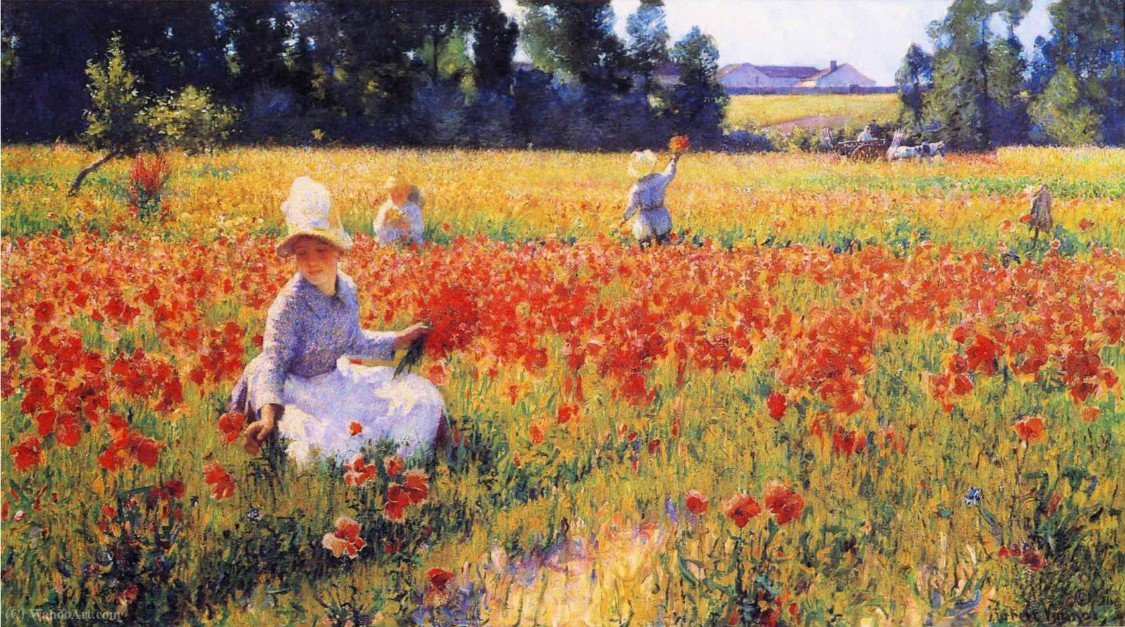 In Flanders Field-Where Soldiers Sleep and Poppies Grow, Poppies – (Robert William Vonnoh. Wikioo.
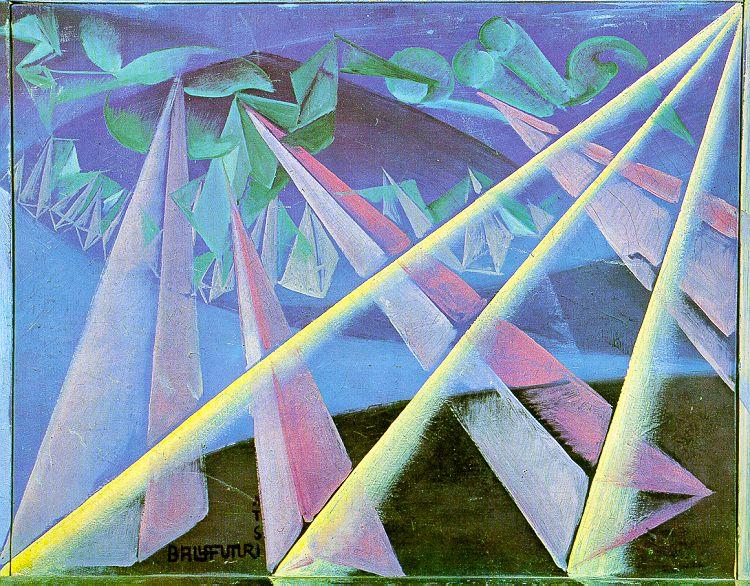 Spirit-form transformation – Giacomo Balla. Wikioo.
Sanford (below) describes how many adults traumatised in childhood have amazing resilience. It is frequently said that lifelong emotional damage is inevitable after such experiences, yet there are countless examples of healthy, functioning adults who have experienced childhood abuse.“Beautiful are those whose brokenness gives birth to transformation and wisdom.”
John Mark Green
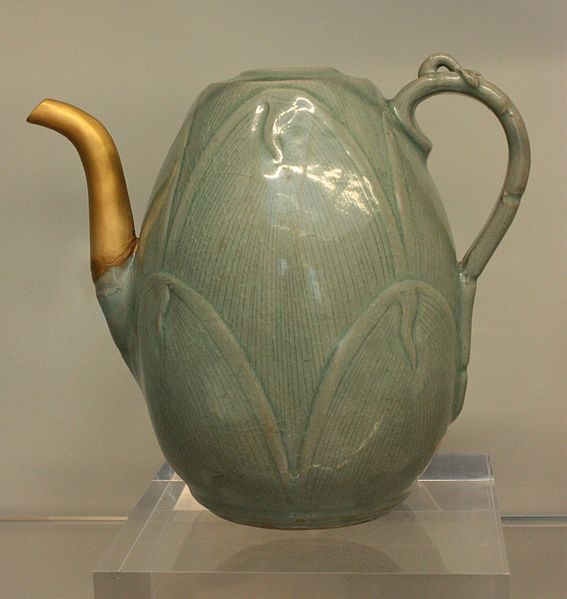
Wine pot with gold lacquer repair. Korea. 1100-50, stoneware, curved and incised under celadon glaze, repaired in Japan. Wikimedia Commons.
The repaired piece is changed by the breaking and the recovery; different, but still beautiful. Maybe it will be more valuable, as there is evidence of a past, of its history. Something precious has been added. There is also a powerful visual indicator of the pot’s innate resilience.“We too can repair our cracks with gold And glow again. Crazed by life, More beautiful than ever before.”
Scott Hastie
Thus it is with the wounded and broken person; repair and improvement are always possible. Out of bad, sometimes there emerges something good, enhancing, reinforcing. This may take the form of new learning, resilience and courage. People are often inherently stronger than we could possibly imagine. We are born with truly amazing resources and we need to learn to trust and fortify these in ourselves and others, as we learn to cope with our broken selves in a broken world.“The world is more magical, less predictable, more autonomous, less controllable, more varied, less simple, more infinite, less knowable, more wonderfully troubling than we could have imagined being able to tolerate when we were young.”
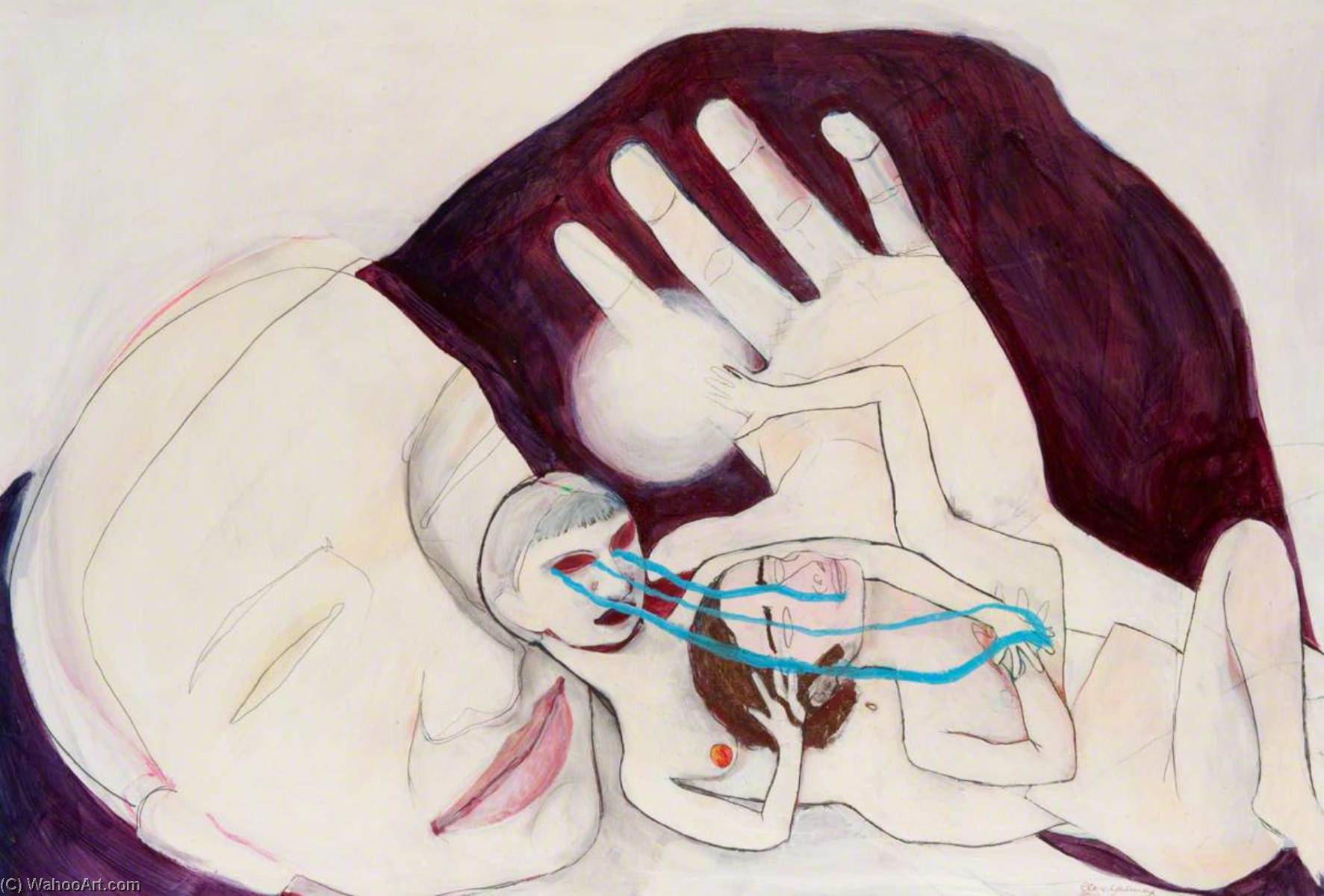 Healing (Letting Go) – Clare Galloway. Wikioo.
“The struggles will become your story, And that’s the beauty of Kintsugi. Your cracks can become the most beautiful part of you.”
Candice Kumai.
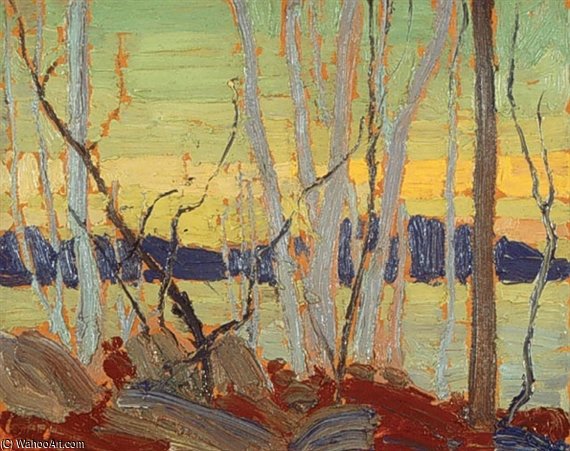
Lake In Autumn – Thomas Thompson. 1915. Wikioo.
 waysofthinking.co.uk
You’ve done a masterful job of curating fine art, literary gems, and spiritual insights towards your purpose of illuminating a rather unwieldly theme–finding beauty, grace, and even the sublime in our broken world.
For my part, I can only imagine how much effort you’ve poured into this post. I need to comment to express my sincere appreciation. You’ve conceived a truly moving digest and opened up ways of thinking that for me–a 70 year-old codger–are as new and trembling as childhood wonder before what Yeats dubbed “a terrible beauty” in his great poem, “Easter”.
What you’re doing with Ways of Thinking is nothing less than an art form in its own right.
Inspiring!
LikeLiked by 1 person
Bob- thank you so very much for this glowing feedback. It is very much appreciated. 🤗🙏
LikeLike