
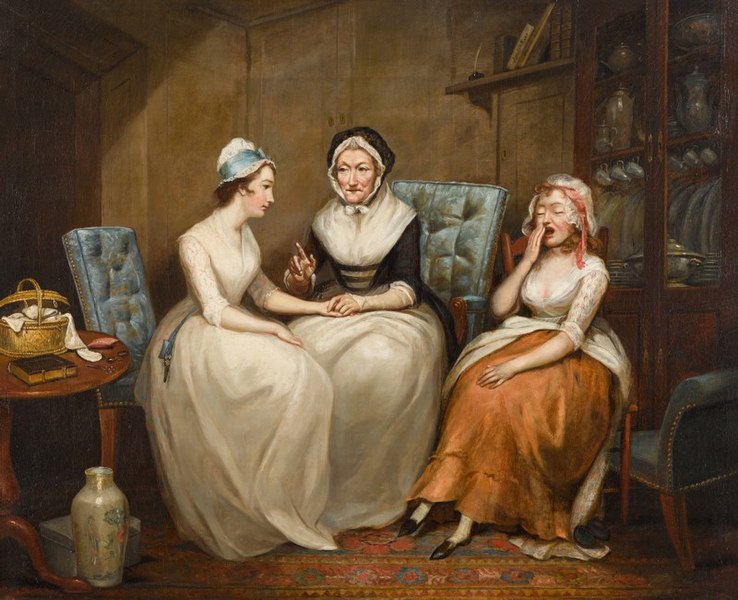
Good Advice From An Old Servant To The Young Ones. James Northcote. 1790. Wikimedia Commons.
“I always pass on good advice. It is the only thing to do with it. It is never of any use to oneself.”
Oscar Wilde
There are several different kinds of advice. Some are more useful than others……
- Unsolicited advice.
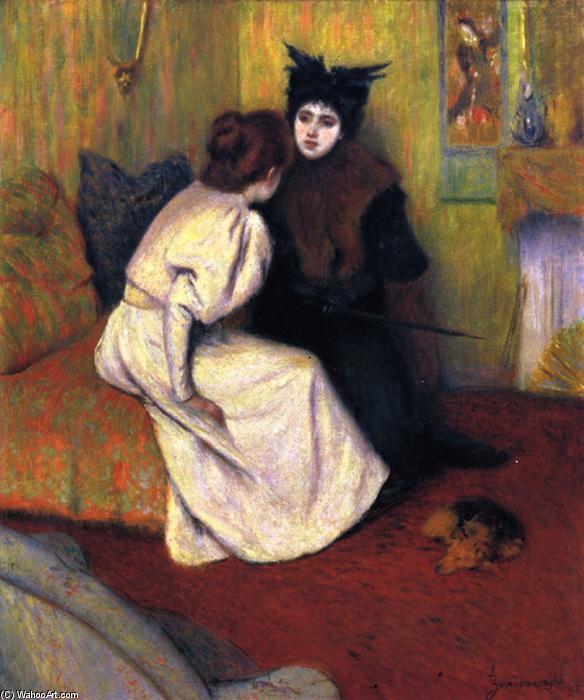
The Conversation – Federico Zandomeneghi. 1895. Wikioo.
“Unsolicited advice is always self-serving.”
Amy Dickinson.
Are there people in your life who always offer unasked-for advice? Or are you prone to giving it? However well-meaning, it can come across as intrusive, controlling, inappropriate and boundary-breaking.
What might be their motives when people do offer us advice?
“People are so amazing at giving advice they can’t execute one percent of. Examine carefully not only the advice but also the person it is coming from.”
Dr. Aryan
Sometimes people give advice in order to come over as knowledgeable or important. Others may make a habit of unthinkingly relating the issues of others to themselves, appearing clever and offering instant solutions from their own perspective, their frame of reference. This is not empathy; it is not listening and is putting oneself first.
It is important to be able to respect and trust the person with whom we might risk discussing our problems and life issues.
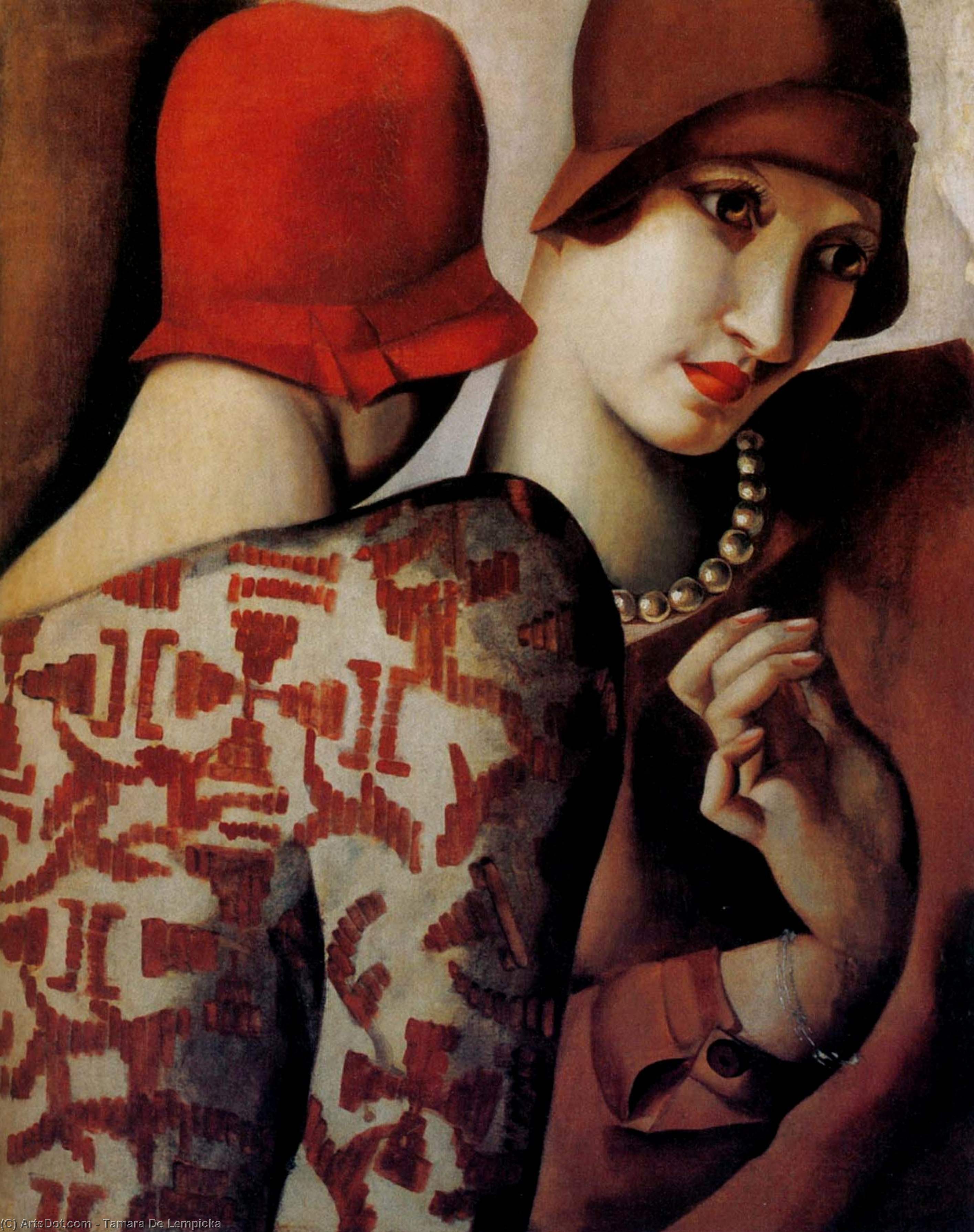 Two Friends – 1928. Tamara De Lempicka. Wikioo.
Often, unsolicited advice-givers begin with one of the following phrases: ‘You should,’ ‘ You ought,’ ‘ If you want my advice,’ ‘You’ll be ok,’ and so on….
Another common indicator of the imminent emergence of such advice is “If I were you….”

Inside the receiver’s thought-bubble might be words to the effect of: “Except you’re not me. I am me, you are you. You cannot be me, and never will. You are not an expert on my life. What you are actually saying to me is that ‘ you’ll be fine if you do it my way. My way is right. For everyone.'”
“Never judge others. You both know good and well how unexpected events can change who a person is. Always keep that in mind. You never know what someone else is experiencing within their own life.”
Colleen Hoover
Unwanted advice may be met with mute acceptance, internal or external aggression, or, maybe occasionally, serious thought. Having said that, there are ways of saying things, especially to vulnerable people, and, if we are really concerned about others, we need to find more sensitive ways to approach them.
“…we may try to show caring through advising or attempting to fix the other person’s problems, which doesn’t work for creating closeness because it places you in a superior position, the one who can fix things, seeding resentment in the other person.”
Kira Asatrya
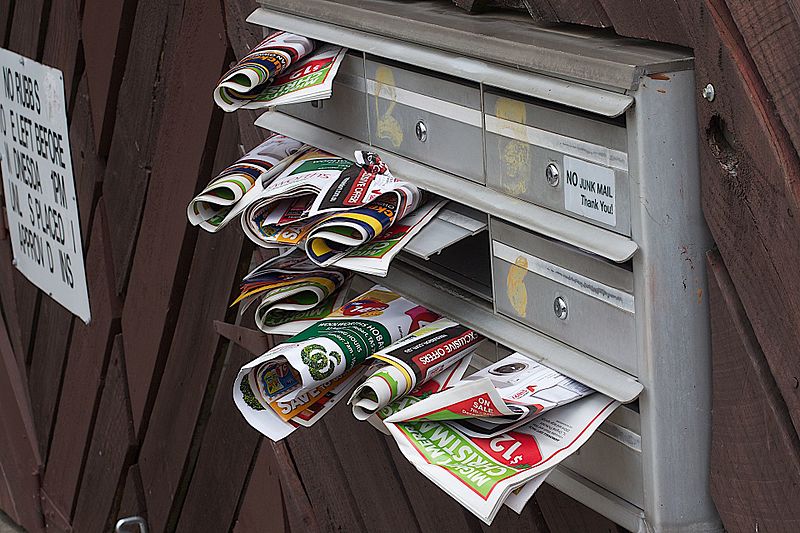 Everyone Else Wants Junk Mail. Author: cogdogblog.Wikimedia Commons.
“Unsolicited advice is the junk mail of life.”
Bernard Williams
- The Ultracrepidarian.
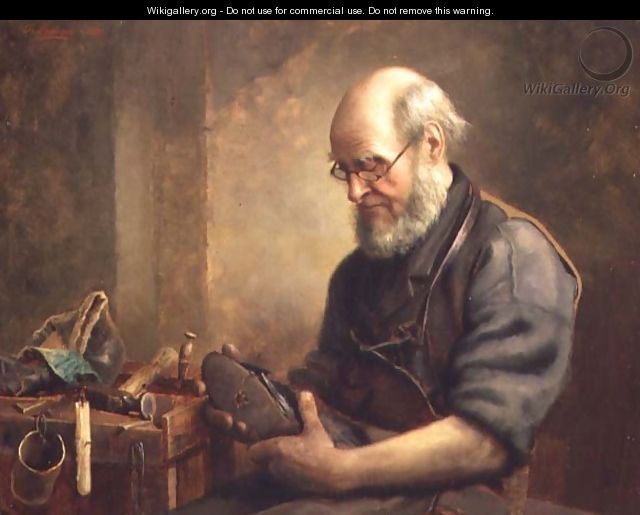
A Sad Case Before the Bench, 1891. Thomas Protheroe. Wikigallery.org
What in earth is an ultracrepidarian? This is someone who gives opinions or advice on something outside their knowledge, someone who tells you what to do without having the necessary understanding.
Why the shoemaker image? Well, it is related to the etymology of this rather pretentious-sounding word.
“From the Latin sūtor, ne ultrā crepidam (“shoemaker, not beyond the sandal (shoe) / i.e., let the shoemaker venture no further than his shoes”)
(Wiktionary.org.)
In other words: stick to what you know. Arrogant, know-it-all types of advice will not be gratefully received.
“Whereof one cannot speak, thereof one must be silent.”
Ludwig Wittgenstein
 Elly Blue. ‘free advice.’ Flickr.
“Free advice is usually worth exactly what you paid for it.”
Matthew R. Etzler
- What’s A Better Way to Help? Listening, Empathy, Support.
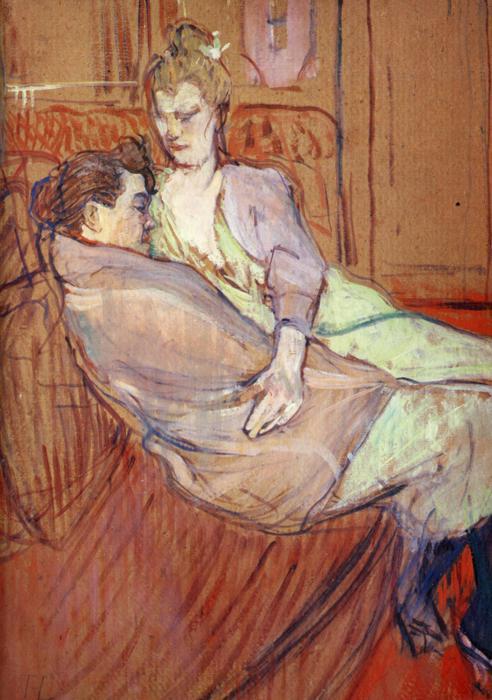
The Two Friends – Henri De Toulouse Lautrec. 1894. Wikioo.
“Living apart and at peace with myself, I came to realize more vividly the meaning of the doctrine of acceptance. To refrain from giving advice, to refrain from meddling in the affairs of others, to refrain even though the motives be the highest, from tampering with another’s way of life-so simple, yet so difficult for an active spirit. Hands Off.”
Henry Miller
Many people genuinely want to help, having the best intentions, but do not know how to give this or what to offer. They therefore might feel an internal anxiety and a pressure to come up with solutions.
Sharing feelings and stories about oneself, without being superior or using them as the ‘blueprint’ for the perfect solution, can help people to feel they have a supportive friend and are not suffering on their own.
Assisting another to find solutions themselves, having listened and discussed the issues and considered options, is a real gift, especially when offered in a non-judgemental and empathic atmosphere, a safe and confidential space.

Snow-covered Trees – Thomas Thompson. 1916. Wikioo.
“Advice is like snow – the softer it falls, the longer it dwells upon, and the deeper it sinks into the mind.”
Samuel Taylor Coleridge
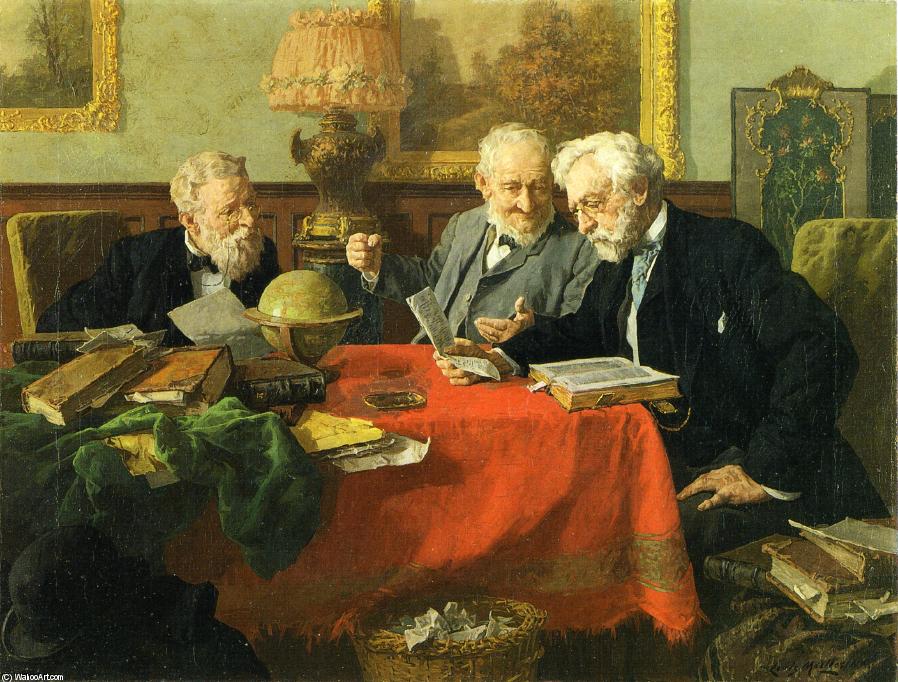 A Difficult Decision – Louis C Moeller. Wikioo.
- When Advice Is Necessary.
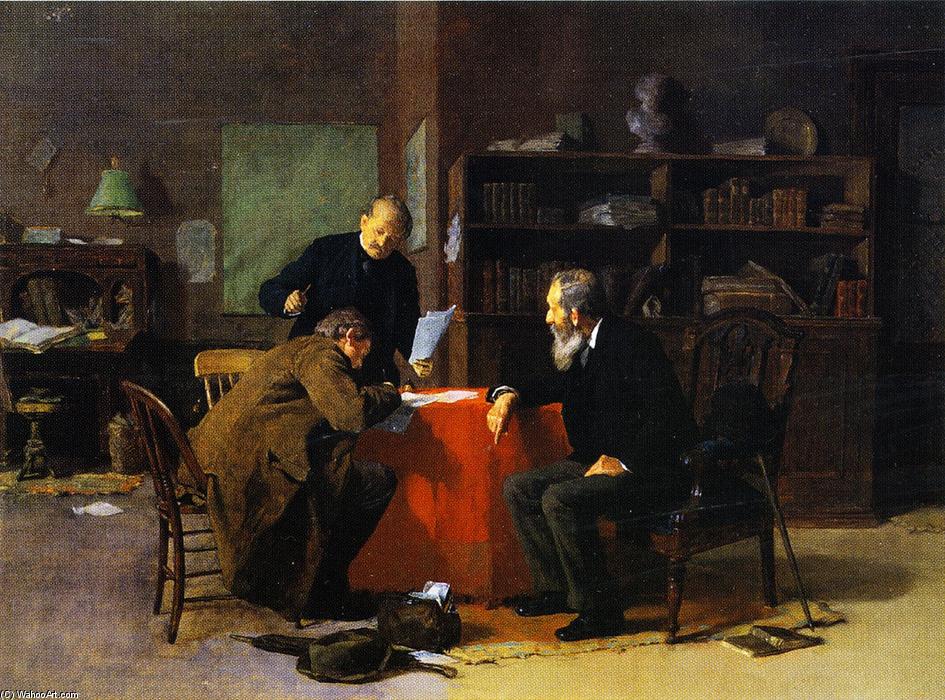 Legal Advice – Louis C Moeller. Wikioo.
Certain kinds of advice are absolutely necessary at times. For example, at some stage in our lives, we all need professional advice, whether it be medical, legal, business, or general safety advice. Learning from the wise and experienced in life or in your area of work, is an essential way of learning.
 ‘Good Advice.’ C.E. Kent. Flickr.
“Good advice is always certain to be ignored, but that’s no reason not to give it.”
Agatha Christie
“A good scare is worth more to a man than good advice.”
E. W. Howe
- Therapy
A popular view of therapy is that it involves advice, or is concerned with ways of managing stress, teaching, recommending books, thinking positively, reassurance, and so on. This is (or should be) a total myth, misleading and wholly inaccurate. Such advice is in the ‘tea and sympathy’ mode…..
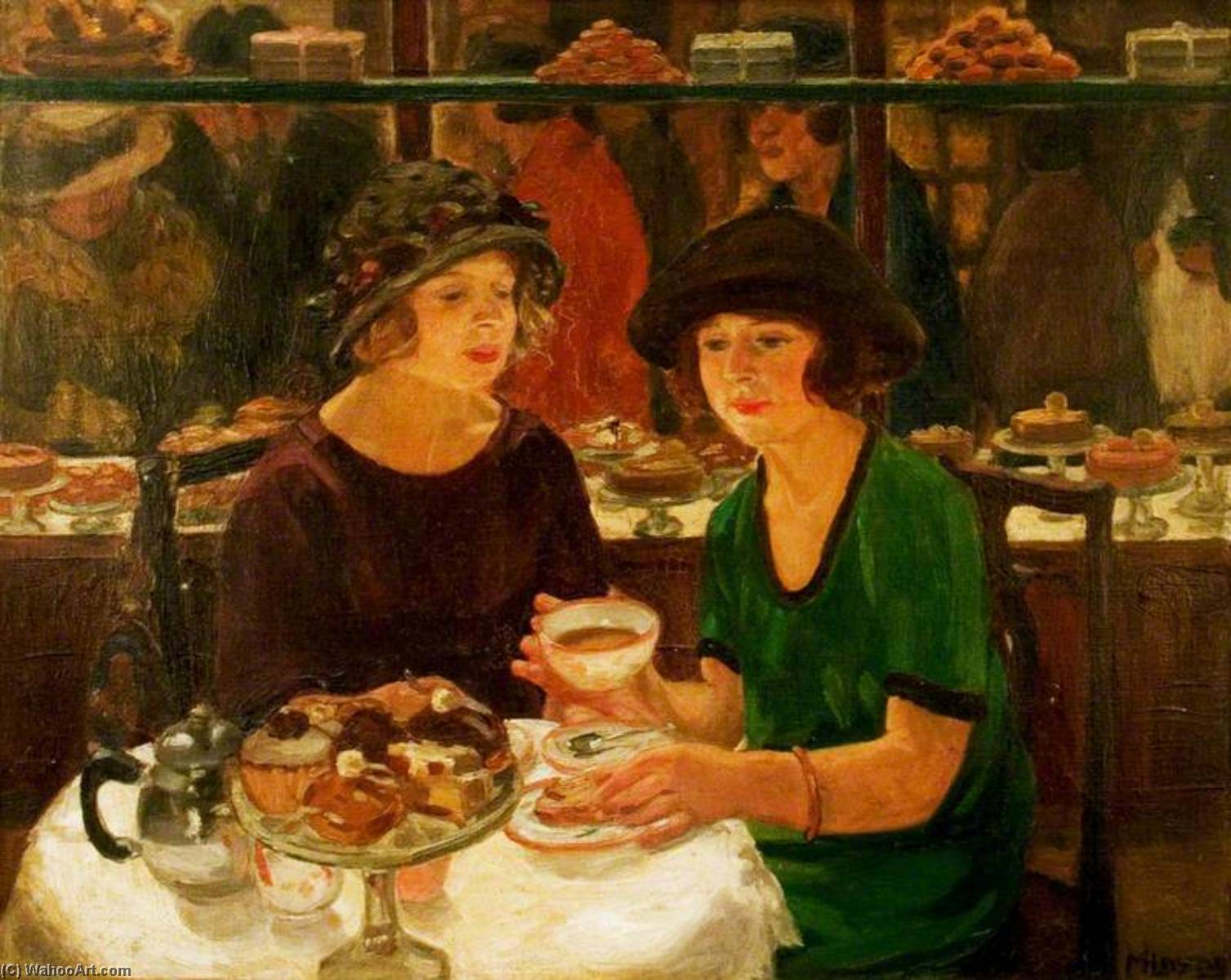 The Tea Table – Mabel Frances Layng. Wikioo.
“The professional must learn to be moved and touched emotionally, yet at the same time stand back objectively: I’ve seen a lot of damage done by tea and sympathy.”
Anthony Storr
Psychotherapy is a moving, dynamic process, in which we constantly shift between thinking and feeling. It involves considerable sensitivity and empathy on the part of the therapist, but also the ability to ‘stand back objectively,’ as Storr says.
“… it is natural to want to demonstrate our competence, to show our patients that we have something to offer. This inclination can get in the way of maintaining enough reserve to let people make their own discoveries and come up with their own solutions to the problems in their lives.”
Nancy McWilliams, Psychoanalytic Psychotherapy: A Practitioner’s Guide
‘Tea and sympathy’ have no place in the therapy room. If we were to provide only this, we would be offering a friendly, non-professional listening ear, comfort, solace, kindness and hospitality.
Perhaps we might offer a chunk of home-made cake, a nice hot cuppa, a warm hug, reassurance, a smattering (or more) of advice, and all this might be interwoven with anecdotal titbits about our own or others’ similar experiences.
Whilst tea and sympathy may sometimes be necessary in a relationship outside the therapy room, whether with family or friends, it is certainly not therapy.
If therapy begins to spill over into this kind of interaction, it becomes unhelpful, and, as Storr has emphasised, potentially damaging.
- Being There: Allowing Others To Learn From Their Mistakes.
Holding onto an awareness that an error can be a powerful teacher, tough though it may be, is hard to do. As the quotation below indicates, many of the greatest of achievements have been realised only after repeated encounters with imperfection.
Perhaps after we have experienced what feels like a failure, or several, we may need a friend to really ‘be there’ with us to remind us of this important fact and help us to regain a sense of self-worth. What we need is a containing presence and not someone to give us ‘clever’ advice about what we ‘should’ have done.
I end this post with some images and quotations relevant to the giving of advice…..
 The Great Bouquet – Jan Brueghel The Elder. Wikioo.
“Every great cause is born from repeated failures and from imperfect achievements.”
Maria Montessori.

“I am glad that I paid so little attention to good advice; had I abided by it I might have been saved from some of my most valuable mistakes.”
Edna St. Vincent Millay
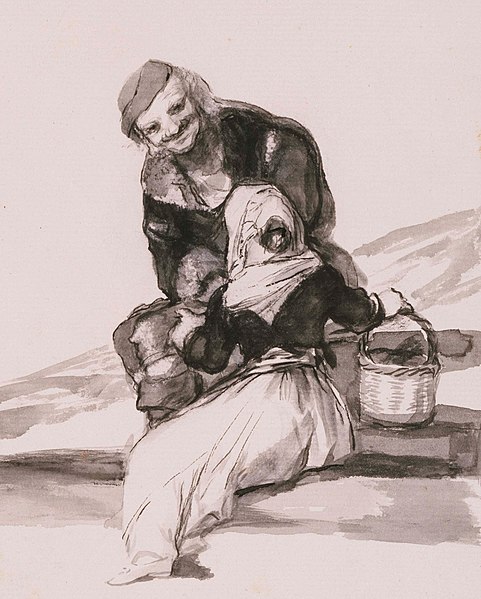
Francisco José de Goya – Beware of the Advice. c. 1806-12. Wikimedia Commons
“Advice is a dangerous gift, even from the wise to the wise, and all courses may run ill.”
J.R.R. Tolkien
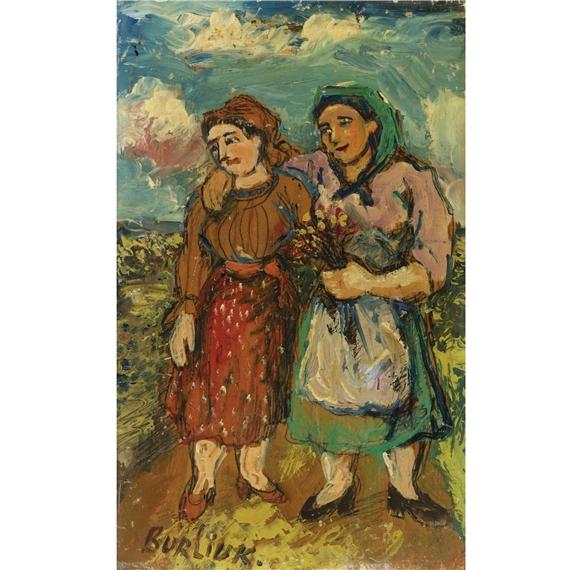
Friends. David Davidovich Burliuk. Wikioo.
“One of the most beautiful qualities of true friendship is to understand and to be understood.”
Seneca
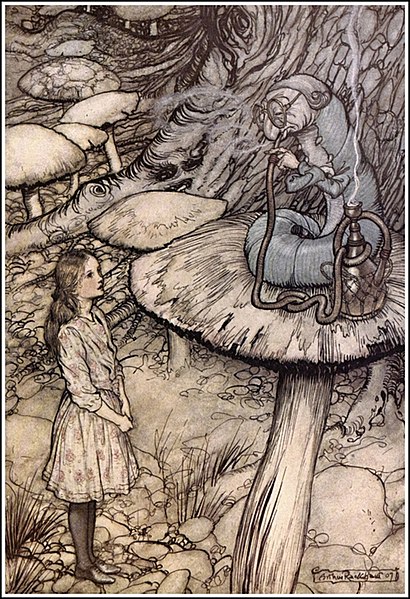
Alice in Wonderland by Arthur Rackham – 05 – Advice from a Caterpillar. 1907. Wikimedia Commons.
“The people sensible enough to give good advice are usually sensible enough to give none.”
Eden Phillpotts
© Linda Berman.
If you have valued this post, may I (gently) suggest that you become a follower of waysofthinking.co.uk?
 waysofthinking.co.uk