
Quote 1.
 Kathrin Longhurst – Skywards Bound [2022] Gandalf’s Gallery. Flickr.
“I define personal power as a state of mind in which a person is confident he can handle whatever may come. This kind of power not only successfully deals with problems, challenges and adversity, it actually welcomes them, meets them head on, and is thankful for them. Personal power isn’t the absence of fear. Even the most powerful people have fear. Personal power is the result of feeling fear, but not giving in to the fear.”
Robert A. Glover
What does it mean to have personal power? The quote’s insightful words help us to define what personal power is and is not; it involves being confident enough to face difficult times and to deal with whatever life throws at us. Through coping with problems, we gain confidence, which increases our sense of personal power.
If everything in our life always went smoothly, we would never learn to withstand stress or disaster and we would feel powerless to face challenges. Having said that, personal power is not about being fearless, but having the courage to carry on despite the fear.
Having confidence and being able to trust in ourselves means that we will feel more in touch with who we are, and know the strength- and the limits- of our personal power.
Using our personal power wisely, and from a position of knowledge and insight, we can develop the ability to influence others in a benign and beneficial way for all concerned.
Quote 2
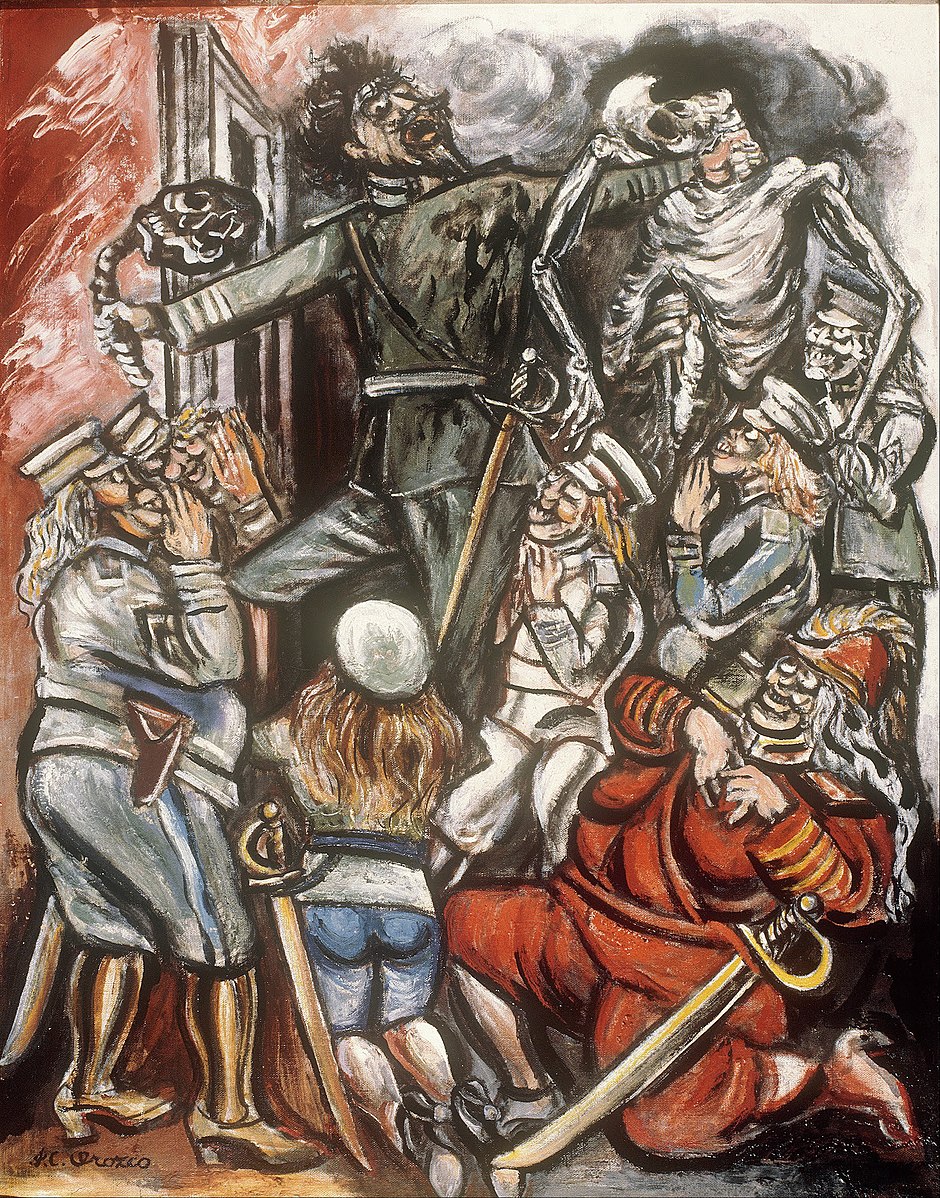 José Clemente Orozco – The Demagogue. Wikimedia Commons
“One of the easiest ways to be irresponsible about power is to forget you have it.”
Rollo May
Lack of awareness of one’s own power can have disastrous consequences for everyone involved. Knowing oneself, becoming acquainted with one’s dark side, is the way to achieve true personal power; without this we become irresponsibly dangerous, lacking compassion. We will be running wild, greedy and selfish, caring about no-one but ourselves.
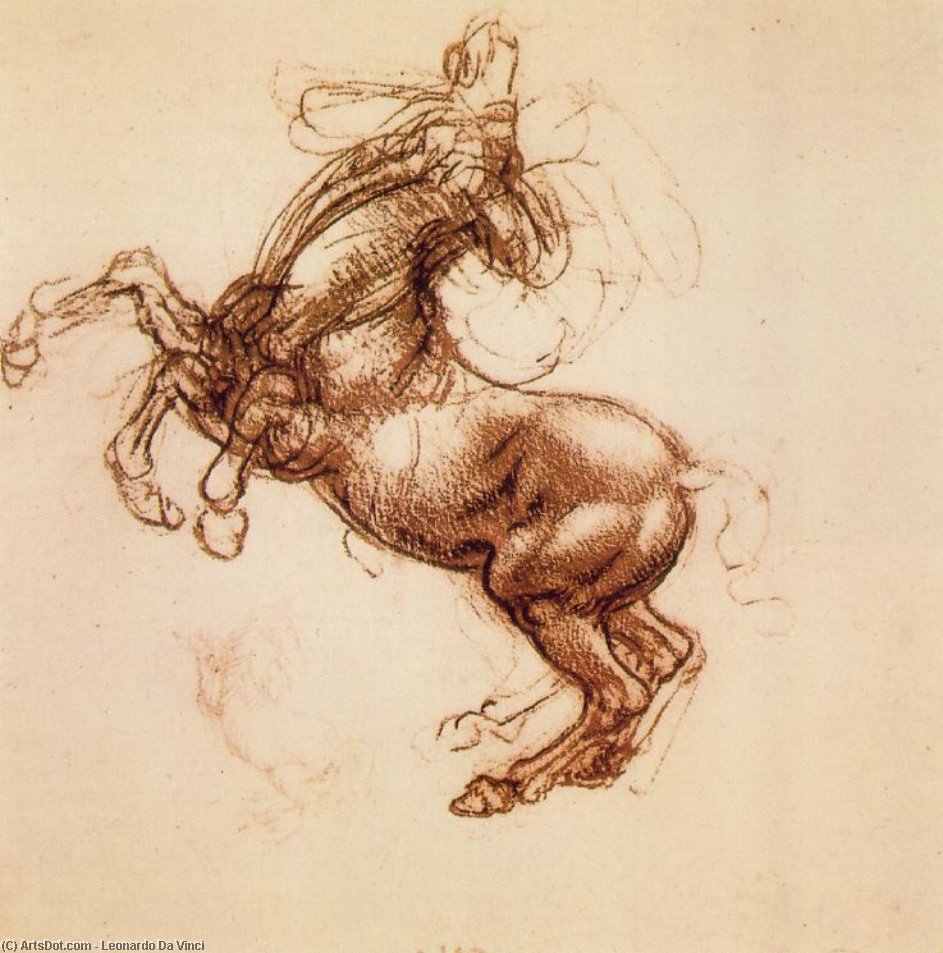 Rearing Horse, red chalk. 1498. Leonardo Da Vinci. Wikioo.
This recklessness can lead to tyranny and totalitarianism, for, if we do not see our own strength, or if we blame others when things go wrong, we can do much damage. There will be no boundaries, and we may become obsessed with our own power and control over others.
The opposite of being dangerous as a result of being unaware of one’s power also holds true. We can feel ineffective, weak and lacking in confidence, believing that we have no power at all, constantly seeking others’ approval, whilst in actuality we do have considerable power.
Personal power is being authentic, true to oneself; in this way we can trust ourselves to deal fairly with others. Having clear vision and understanding of self and other will also contribute to our personal power.
Once we have earned the power of really knowing ourselves, we can make freer decisions. We can choose to use our power for good, rather than careering around like the riderless horse in Da Vinci’s masterful image.
“Circumstances are beyond human control, but our conduct is in our own power.”
Benjamin Disraeli
Quote 3
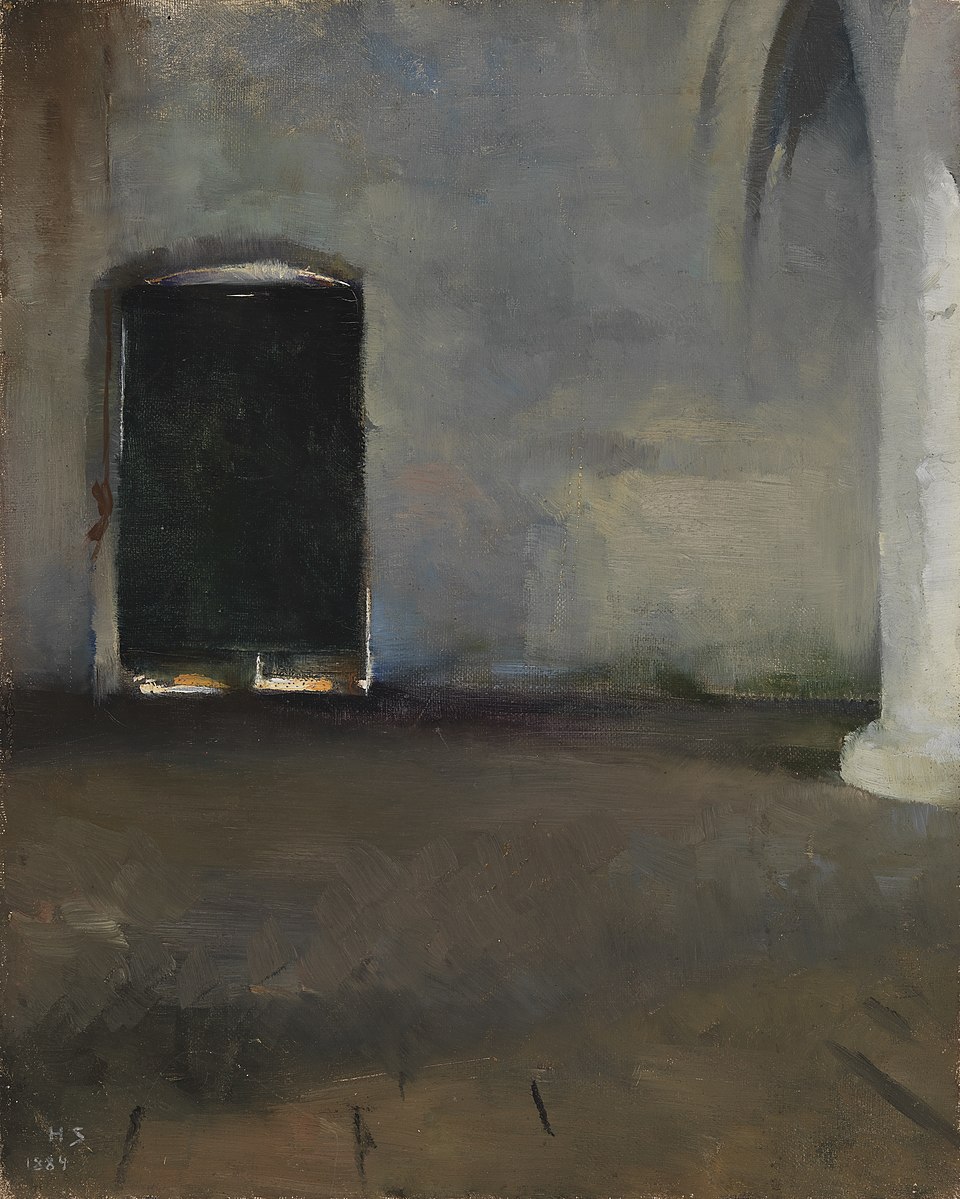
Helene Schjerfbeck – The Door. Wikimedia Commons. 1884.
“I saw that everything really was written there before me, and that the doors had only been closed before because I hadn’t realized that I was the one person in the world with the authority to open them.”
Paulo Coelho
This quotation continues and expands the discussion about personal responsibility, adding a further wise truth. This is related to the need to be aware that we alone have the key to the closed doors in our life.
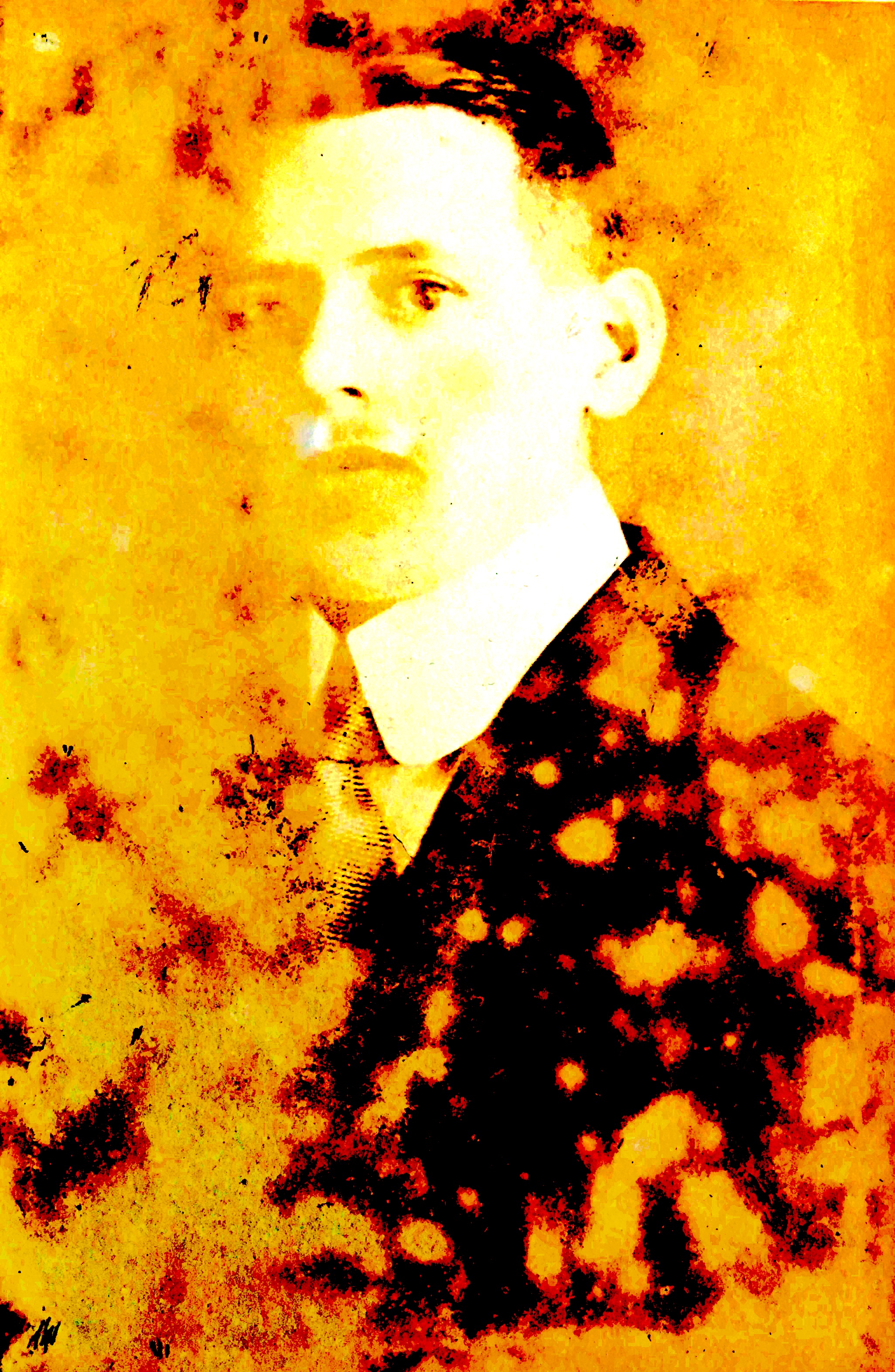 Wolfgang Sterneck. Inner Worlds Behind Outer Facades. Flickr
I think that Coelho is referring not only to external doors, but internal also, ‘doors’ into our inner world. What do I mean by this? Some ‘doors’ may exist inside us and only we have the ‘authority’ to open them. These are the doors that lie deep in our unconscious, ways into our secret past, our dreams and our fears, which we may unconsciously keep tightly locked, even against ourselves.
External doors may symbolise opportunities – new jobs, relationships, fresh places to live, new experiences in life.
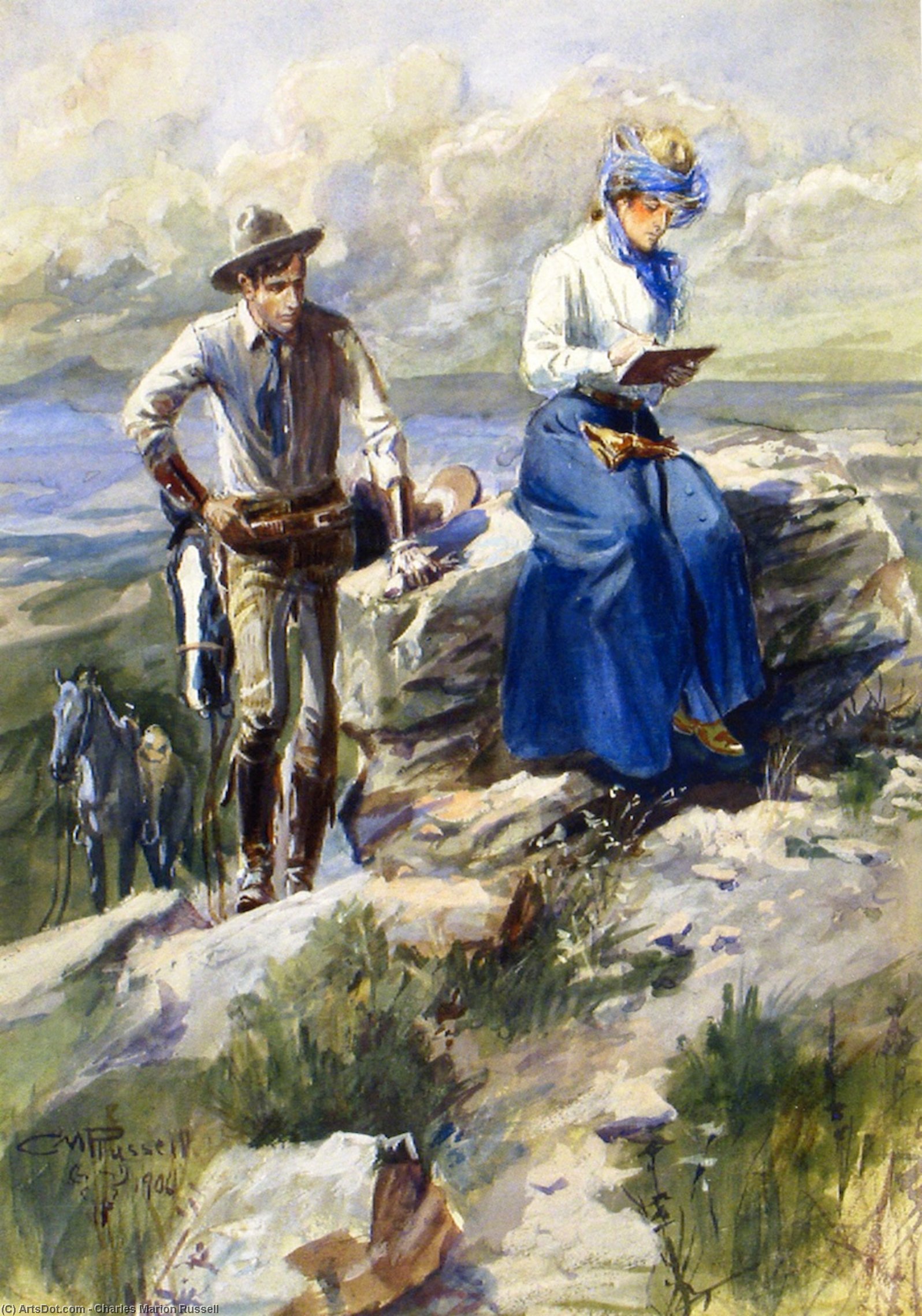 She Turned Her Back on Me and Went Imperturbably On With Her Sketching (also known as Cowboy and Lady Artist) – Charles Marion Russell. 1906. Wikioo.
Sometimes such doors may be closed to us, really closed, through factors that we cannot control. It happens to us all; things go wrong, we experience rejections, hopes are dashed, opportunities missed.
It is at such times in our lives that we do have choices, even though it may not feel as though we have. This is when the internal and external world meet, for closed inner doors can mean that we feel restricted and unhappy and do not see the opportunities that are there for us in the universe.
The doors, both inner and outer, can only be opened by us when we have the strength, the vision and the courage to do so. It requires hard work on ourselves, perhaps in therapy, to gain this courage, to stop being weighed down by the losses or failures that we have experienced.
“When one door closes another door opens; but we often look so long and so regretfully upon the closed door that we do not see the ones which open for us.”
Alexander Graham Bell
Quote 4
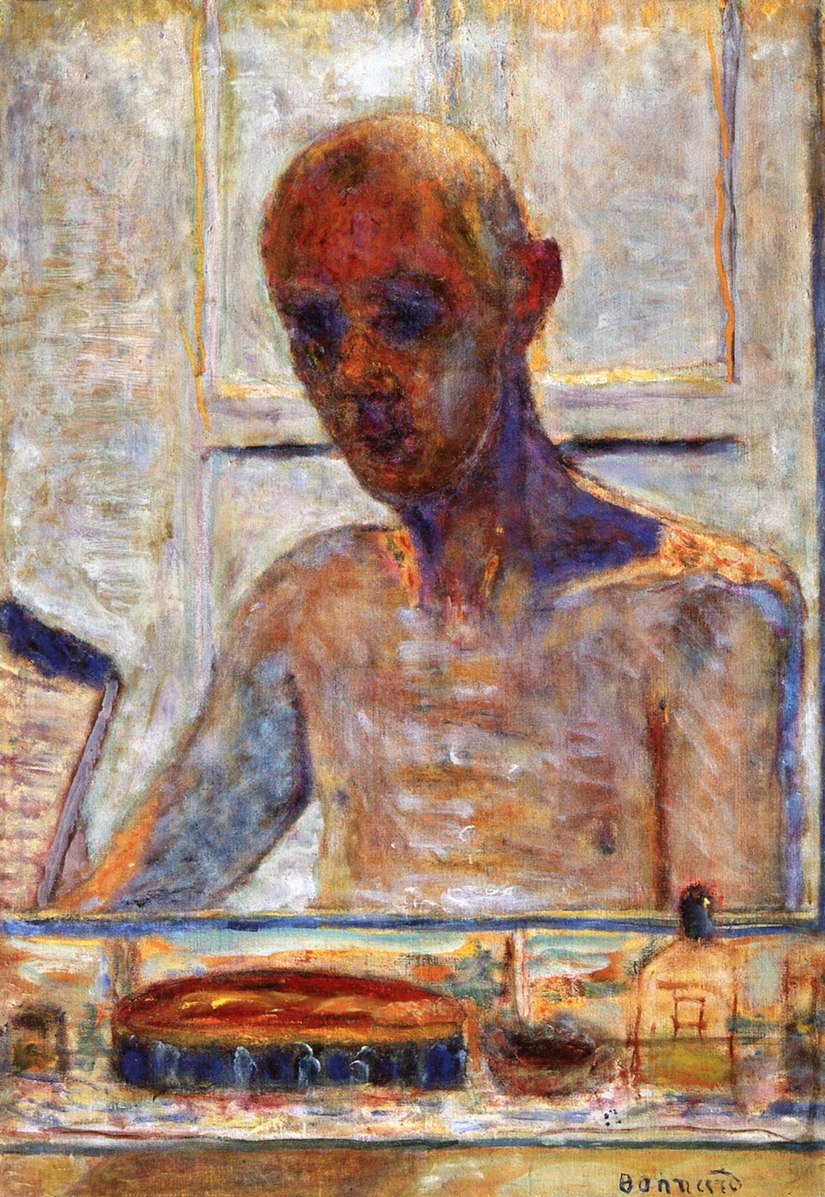
Pierre Bonnard Portrait of the Artist in the Bathroom Mirror
“It is necessary to do a systems analysis of your life. Look at where you gain power and where you lose power.”
Frederick Lenz
Really getting to know the self inevitably involves an awareness of our areas of fragility; are there instances in our lives where we notice we lack courage, and lose our personal power? Is there a repeated behaviour pattern? How does all this relate to past experiences?
In contrast to this, can we recognise when we are at our strongest, feeling confident and capable, without the hindrance of self-doubt and old fears?
Conducting a ‘systems analysis of our lives,’ as the quotation suggests, is a little like having therapy. It is an opportunity to take stock, to examine our lives, ourselves and how we function, and hopefully to discover how the past may be influencing the present, in both negative and positive ways.
Systems analysis involves reviewing, understanding and analysing what is happening currently, troubleshooting, identifying aims, planning and developing. It is also about making new and improved systems that will function better in future.
If we apply this to ourselves, to our own feelings and behaviour, we can explore, amongst other aspects, the reasons behind a lack of personal power. We can also remember times when we experienced encouragement and support, recognising their beneficial effects in relation to our personal power in the present.
Quote 5
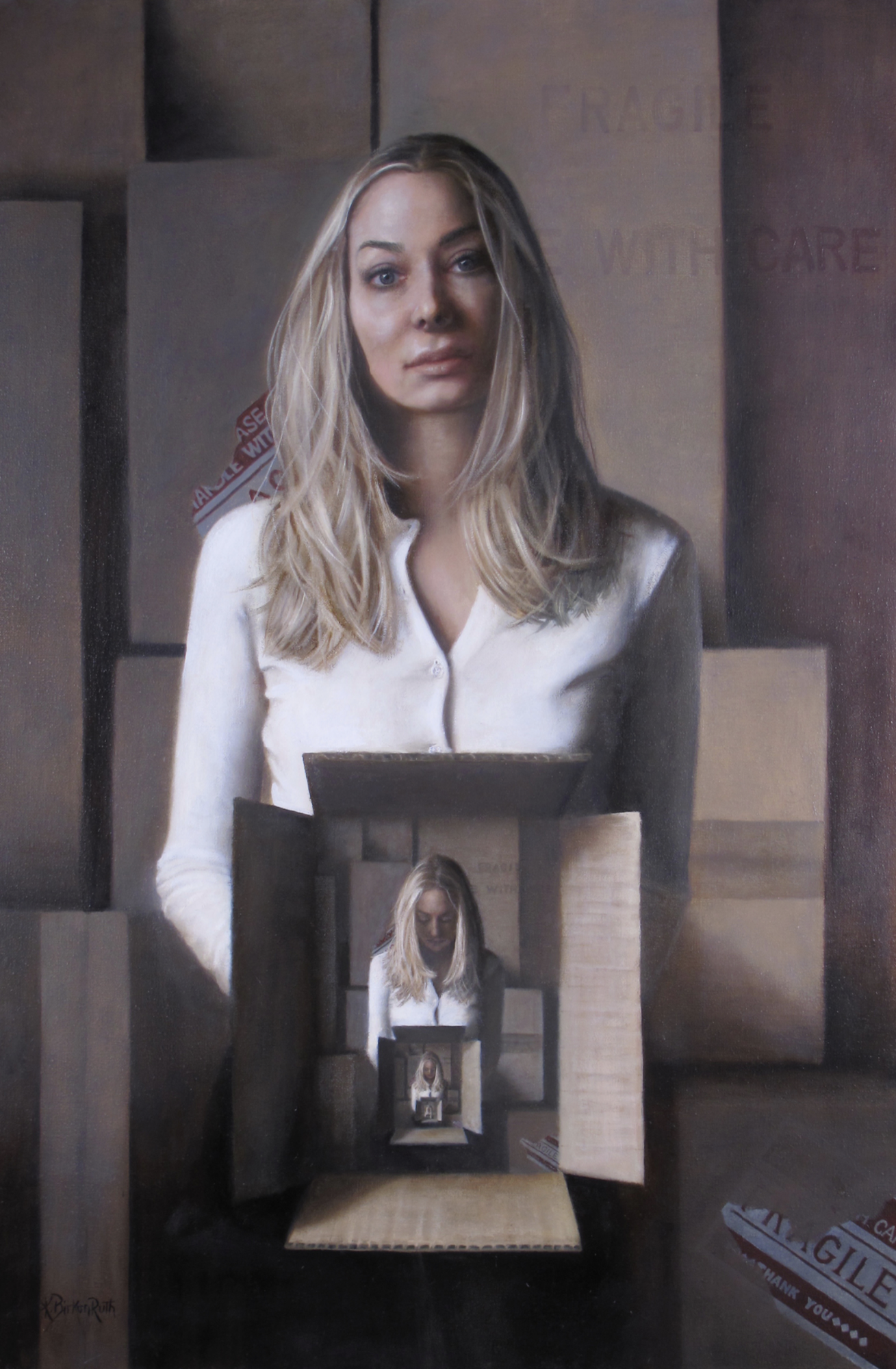 Kelly Birkenruth – Looking Within [2019] Gandalf’s Gallery. Flickr.
“So few people listen to their own voice because they are taught not to trust it. We are encouraged to adopt others’ ideas, thoughts, beliefs, all the while never developing and believing in our own. We inevitably give up our personal power in favour of one less than our own.”
Tripsy South
Listening to ourselves, to our inner voice, is an ability that can be acquired through self-reflection, therapy, through meditation and self-knowledge.
It is not easy to listen to oneself. We first have to recognise who we are, to discern clearly what is our own voice, untangling this from the multitude of confusing voices inside us from others, past and present.
If we really are able to pause, to ponder and to listen to ourselves, our intuition can guide us through. It is a trusty messenger from within us, a kind of ‘satnav’ for the soul….
Intuition, appropriately combined with awareness and discernment, can be a way of tuning into the self, into the miraculous gifts of energy and personal power that we have been given and need to be sure to utilise.
Our inner voice can be drowned out by authoritarian, moralistic, or over-parental messages, or perhaps by internalised societal or cultural influences.
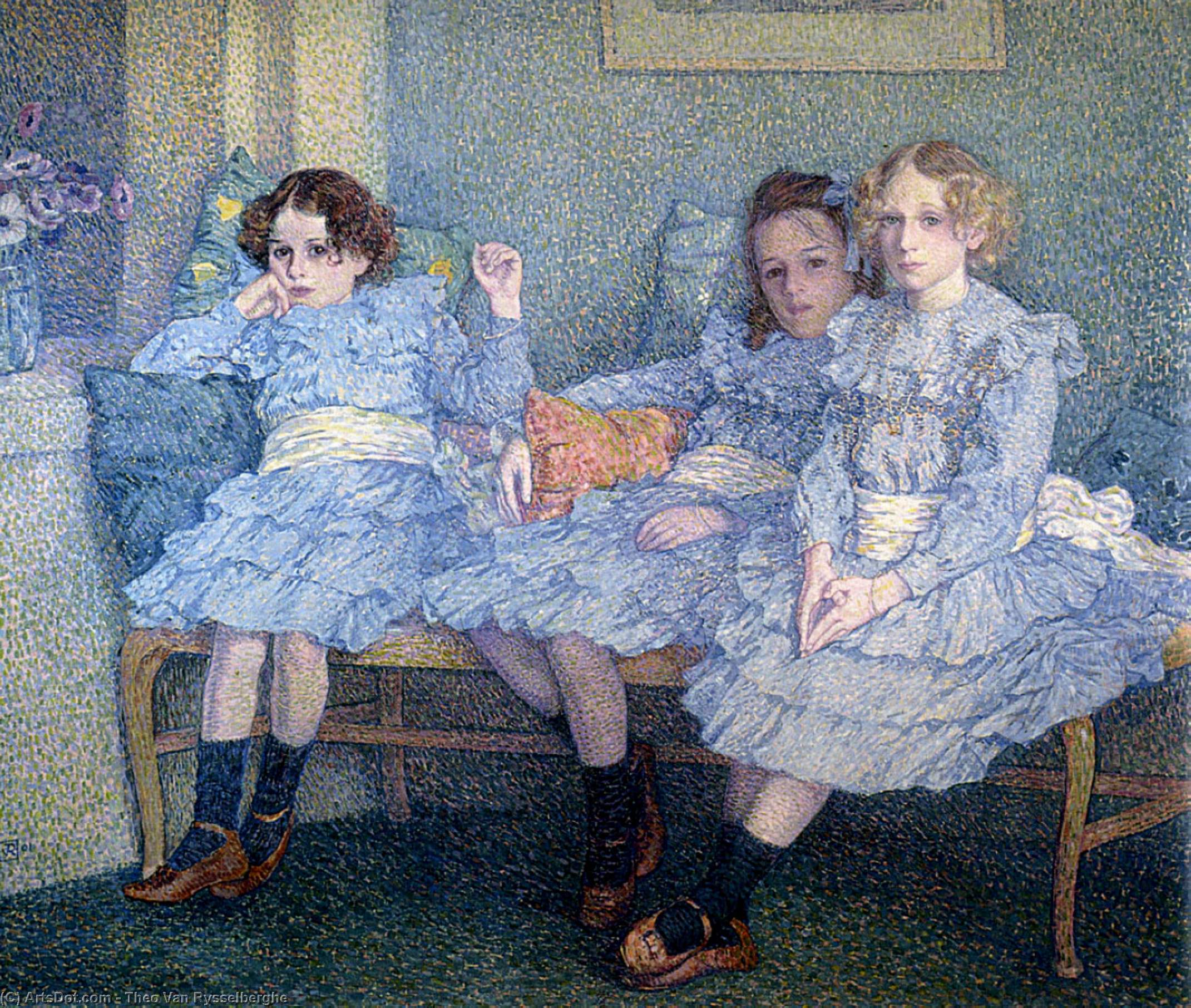 Three Children in Blue – Theo Van Rysselberghe. 1901. Wikioo.
The unfortunate 15th century proverb ‘Children should be seen and not heard,’ is one that has, over centuries, silenced children’s real voices in a way that denies their individuality and personhood.
This attitude will result in an embargo on real feelings, a stunting of personal power and a silencing of a child’s developing selfhood.
It will likely produce a tendency to fit in with others, to adapt to their ways, to deny true beliefs, thoughts and feelings.
Such behaviour patterns are hard to rid ourselves of. Again, therapy may be needed to help with this, so that we might uncover the real power of the person we are beneath the layers of pleasing others.
“We all have an inner voice, our personal whisper from the universe. All we have to do is listen – feel and sense it with an open heart. Sometimes it whispers of intuition or precognition. Other times, it whispers an awareness, a remembrance from another plane. Dare to listen. Dare to hear with your heart.”
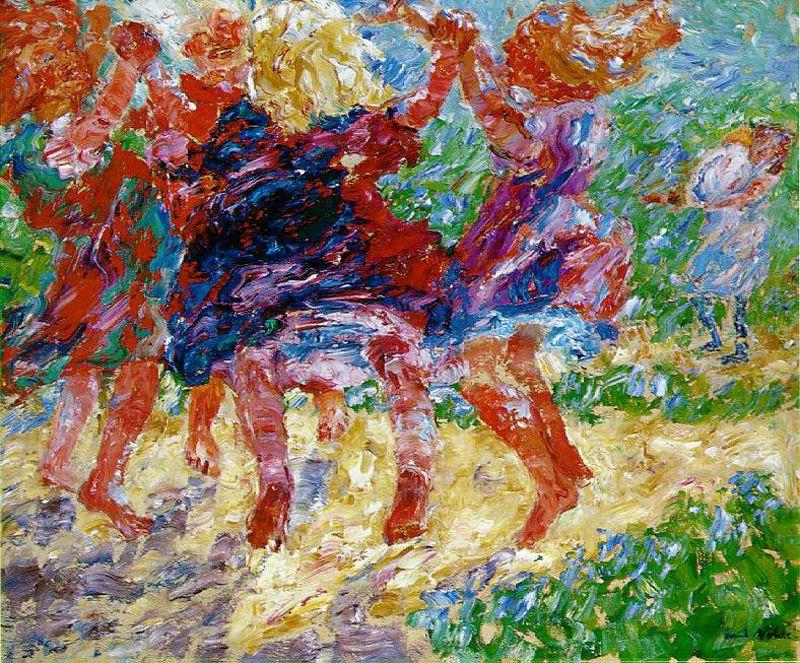 Wildly Dancing Children – Emile Nolde. Wikioo
“It is my deepest conviction that the children should be seen and heard as our most treasured assets.”
Nelson Mandela
© Linda Berman
 waysofthinking.co.uk