
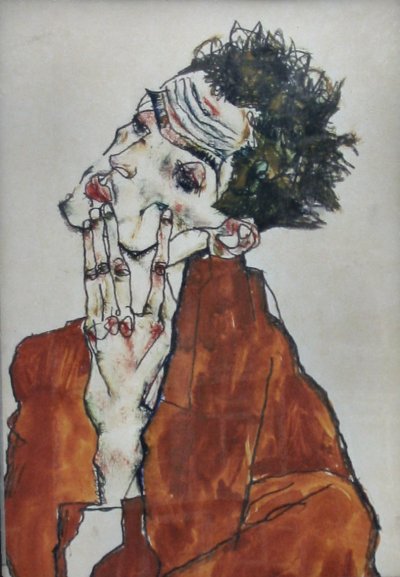
Egon Schiele. Self-portrait. Wikimedia Commons
“Humans can be so ugly sometimes that the ones you love the most would only love to see you fall. It’s a cruel world.”
Sidney Albury
In this week’s post I will focus on the ‘ toxic noise’ created by people who, consciously or unconsciously, have a wish to harm us in some way.
What does being a toxic person mean? Can human beings really be toxic? Whilst it is important to be aware that labelling people can be unfair and just plain wrong, it is a sad fact that there are some people who do, unfortunately, fit that label.
Being destructively envious, indulging in manipulation, gaslighting, bullying, humiliation, refusing to respect others’ boundaries and being dishonest, are some ways in which people can be harmful and cruel to others and detrimentally affect their lives.
This is not to say that we cannot put up with occasions when people reveal these traits, for all of us have human frailties and fallibilities; however, if a person never changes and continually repeats their often unconscious destructive behaviour, then they become toxic and harmful.
For example, there is the story of a family member, let’s call them Jo, who felt they were above others and constantly judged them according to their own ‘standards.’ This probably hid their own anger and low self-image, but they were unable to look at themselves or see their own behaviour as anything but ‘correct.’
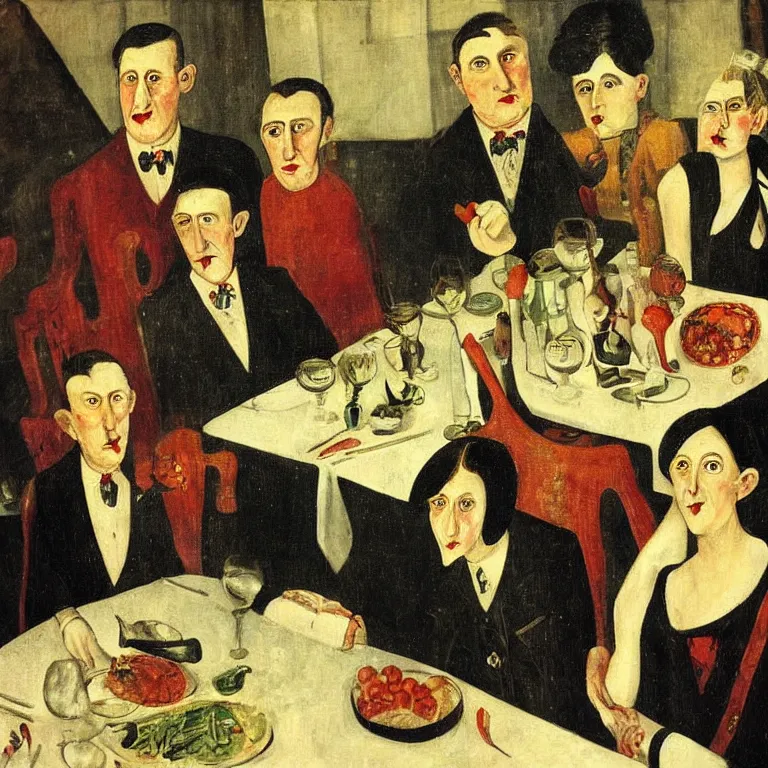 Unhappy family gathered at the dinner. Otto Dix. Open Art
“All happy families resemble one another but each unhappy family is unhappy in its own way.”
Leo Tolstoy
If anyone fell short of their black and white standards, then Jo would write ‘corrective’ letters or emails to them, or send them to their adult children, to rebuke them and tell them that they, or their parents, were not ‘following the right path.’
The ‘right path’ for them was a show of religious fervour and regular Church attendance. Attempts to talk things over were met with blame, finger-pointing arguments and further pain.
 Kazymyr Malevych, “Self Portrait” (1908 or 1910-1911) (Wikimedia Commons)
The victims of such emails felt criticised and condemned; they tried so hard to be kind to their judgemental family member, but only the ‘bad’ aspects of them were noted. It had always felt toxic; they could never please their relative.
These victims of such unfair treatment felt their mental health was being affected by the constant criticism and rejection, and realised that they had been wasting their time trying to improve the relationship.
After years of such behaviour, the ‘errant’ family member decided they could tolerate no more of being scapegoated and projected upon as the ‘bad’ one in the family, and decided to end the relationship.
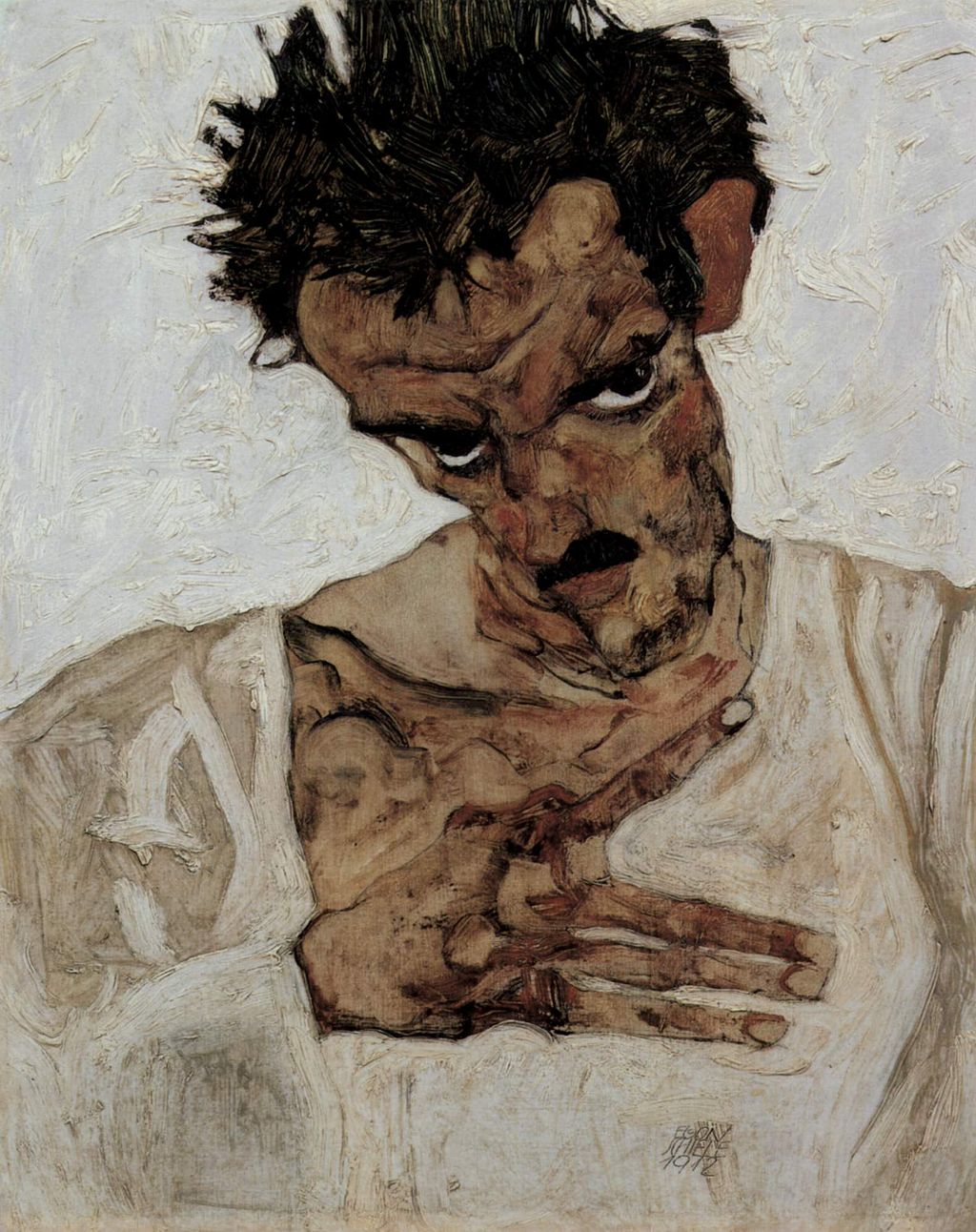 Egon Schiele. Self-portrait. 1912. Wikimedia Commons
“It’s okay to cut toxic family members out of your life. Blood ain’t thicker than peace of mind.”
Unknown
When people and situations become so impossibly toxic and harmful, we might come to the conclusion that cutting ties and walking away is the only sane solution. As the quotation says, peace of mind and protecting one’s mental health is more important than maintaining highly destructive family relationships.
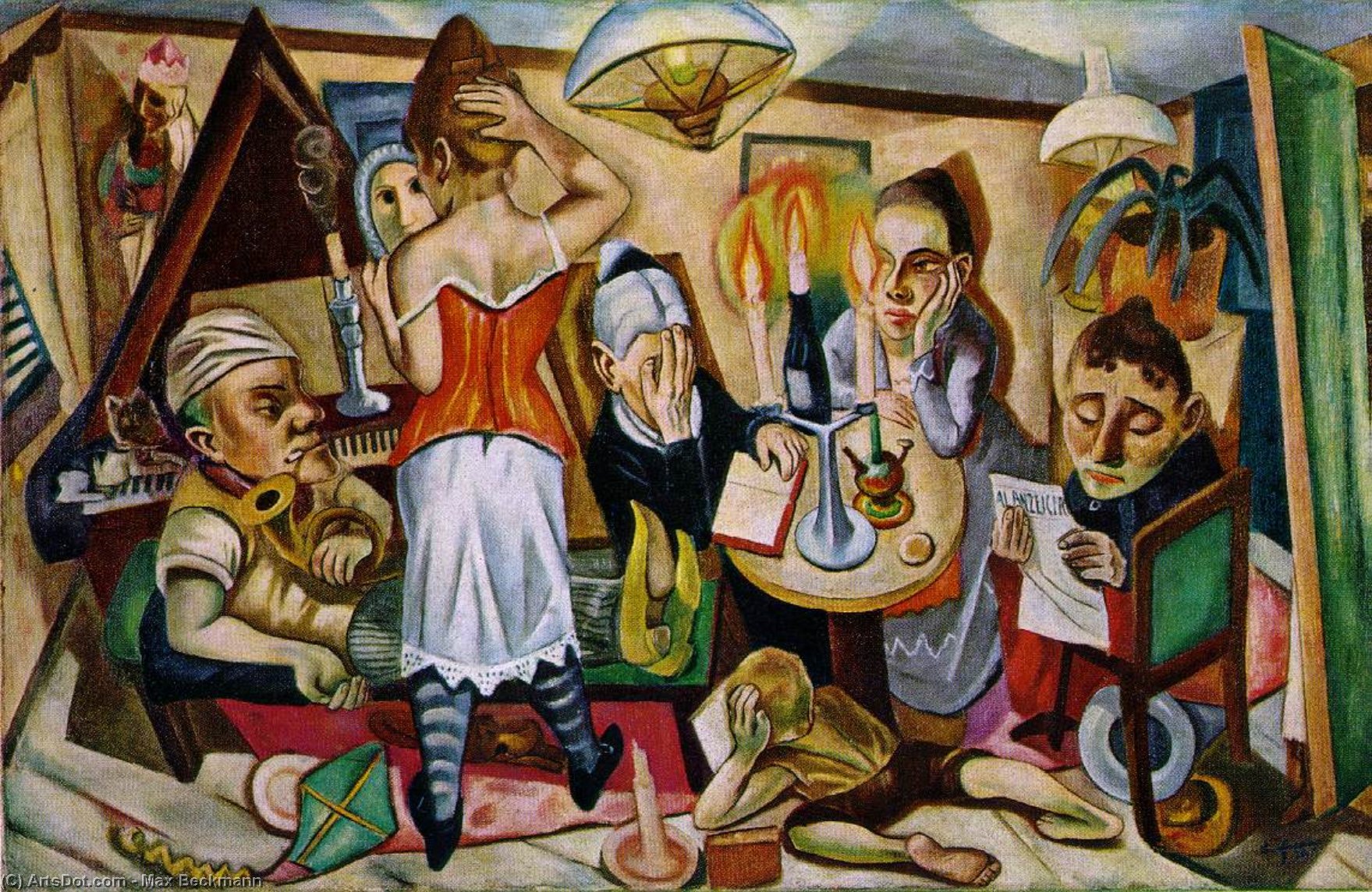 Family Picture – Max Beckmann. 1920. Wikioo
“Blood doesn’t make you family. Some of the most demonic and demeaning people in your life share your DNA.”
Temi Ade
- Establishing boundaries: protecting our peace from others’ toxic energy
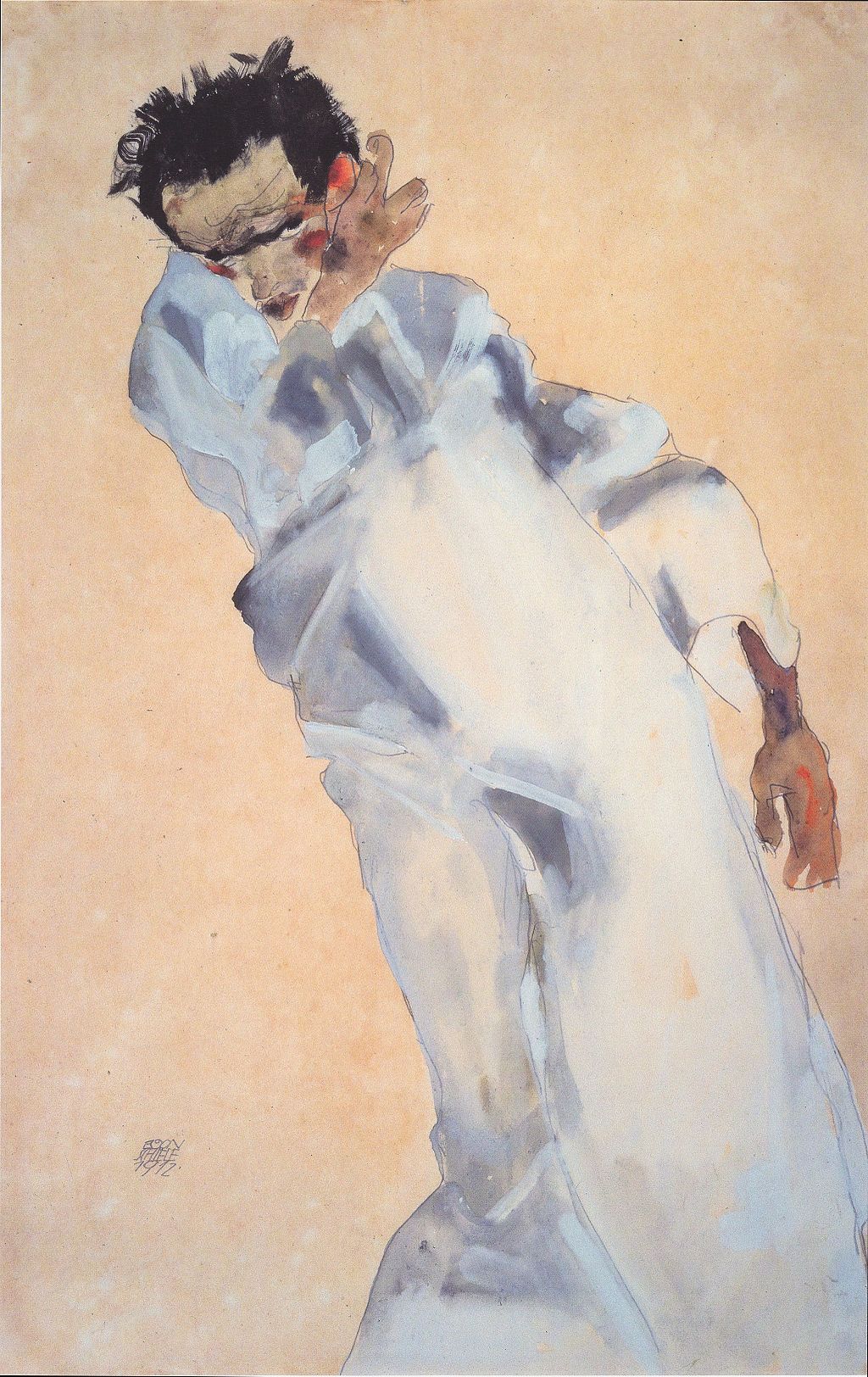 Egon Schiele, Self-portrait. 1912. Wikimedia Commons.
Both in everyday life and online, we need to keep our wits about us and try to prevent those with malicious intent from hurting us. But how could we do this? One way, as has been mentioned, is to cut all ties with the person who may have harmed us.
This is, of course, not a step to be taken lightly, and it is important that we have the self-awareness and knowledge of who we ourselves are, in order to ascertain that we are not projecting negative traits of our own onto that other person.
It is also crucial that any decision to end a relationship should be our own, and not in reaction to the ‘advice’ of others. We may, however, need support during such a difficult and painful time.

Fly away – Jim Warren.2008. Wikioo
“The greatest win is walking away and choosing not to engage in drama and toxic energy at all.”
Lalah Delia
“Cutting toxic ties is not an act of selfishness; it is an act of self-preservation.”
Neha Mendiratta
Protecting ourselves with firm boundaries is crucial if we are not to feel invaded by another’s malign presence.
Our personal boundaries are the rules that each of us make about how far others can go in terms of relating to us. Boundaries protect us from hurt and intrusion from other people.They give us a way of delineating our own personal and physical space and our privacy.
A boundary signifies that ‘You may go this far and no further!’ We all have the right to them and they are our own responsibility to set as we choose.
They define our limits and guidelines, so that those around us will know what we will tolerate, both physically and mentally, and what we will not.
Boundaries help to assert our personal rights, delineating our space, physically and emotionally. They are about saying ‘no’ to people who attempt to disrespect our limits. There is no need to provide excuse or explanation.
Learning what we want and do not want to do and communicating this to others is an important part of setting boundaries for self care. It is therefore important to be sufficiently self aware of one’s own needs and to be able to express and describe them.
“Boundaries help us to distinguish our property so that we can take care of it. They help us to “guard our heart with all diligence.” We need to keep things that will nurture us inside our fences and keep things that will harm us outside.”
Protecting our boundaries is vital to our mental health. They ensure that we are respected by others, so that we will not be intruded upon, hurt, undermined or derided. Having good boundaries is an empowering and freeing experience.
Of course, sometimes this is difficult to achieve; as we have seen, there are people who are intent on disrespecting our boundaries and who will not take ‘no’ for an answer. Then we may need the help of others to reinstate our limits.
If setting boundaries is really too hard, sometimes people have psychotherapy to help them learn to do so, or embark on assertiveness courses.
“Your personal boundaries protect the inner core of your identity and your right to choices.
There lives the dearest freshest deep-down things.”Attributed to Gerard Manley Hopkins
- The paradox: grief and pain
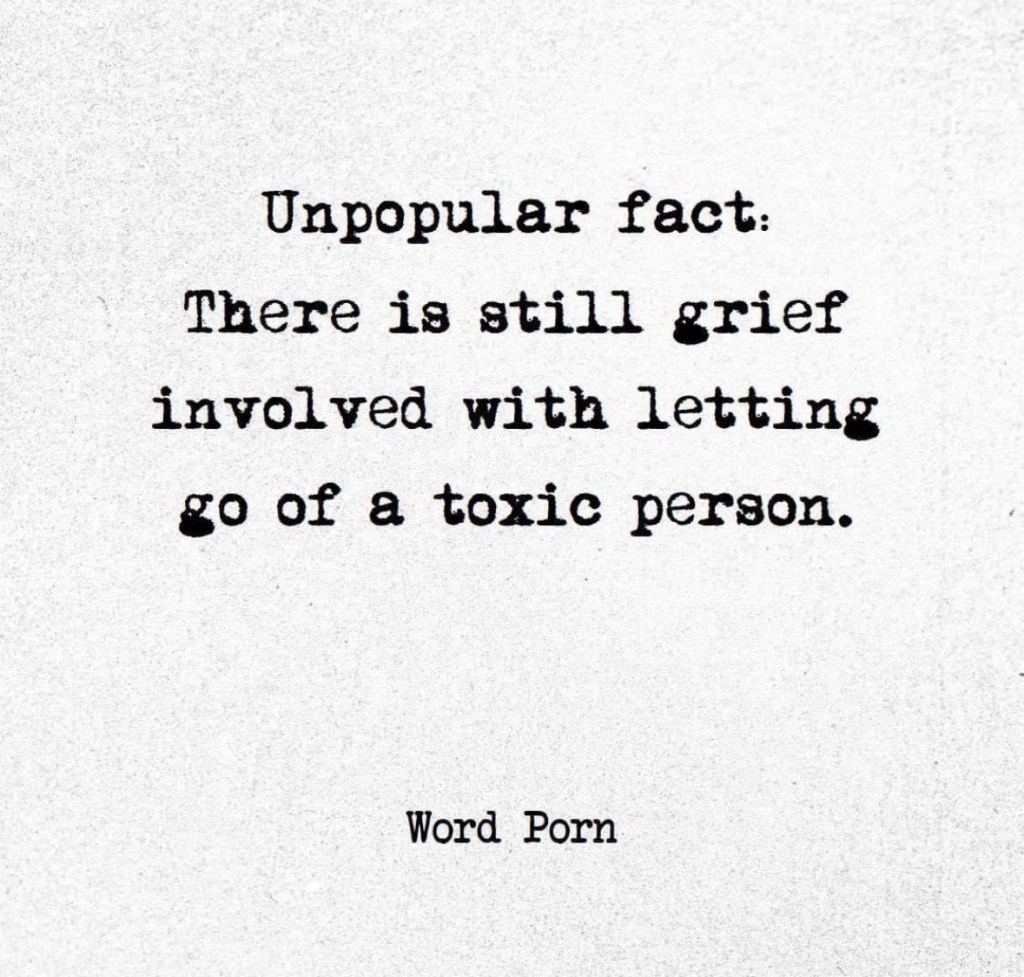
“The truth is that no one is pure evil. But remembering the good parts of a person makes it hurt more, because that’s when hope shows up.”
Rebekah Crane
“People who love themselves, don’t hurt other people. The more we hate ourselves, the more we want others to suffer.”
Dan Pearce
Even if a person has been toxic to us over the years and we have definitely decided to end the relationship, this ending can still be a difficult and painful experience. Despite the fact that this has been a damaging and unhealthy relationship, we may have become used to the person being around, notwithstanding the fact that their presence felt toxic.
It may have been a kind of ‘familiar unpleasant’ situation, where the victim becomes used to such treatment and this can be somewhat addictive. Perversely, such a relationship can bring with it a sense of security, of continuity, instead of the unpredictability of life without the toxic person.
Whilst it can be painful to end such a relationship, in time, there will be a feeling of relief and freedom from harm. There may also develop a feeling of more space in life to seek out kind and loving friends, who will bring us peace and healthy companionship.
“He who understands you is greater kin to you than your own brother. For even your own kindred may neither understand you nor know your true worth.”
Kahlil Gibran
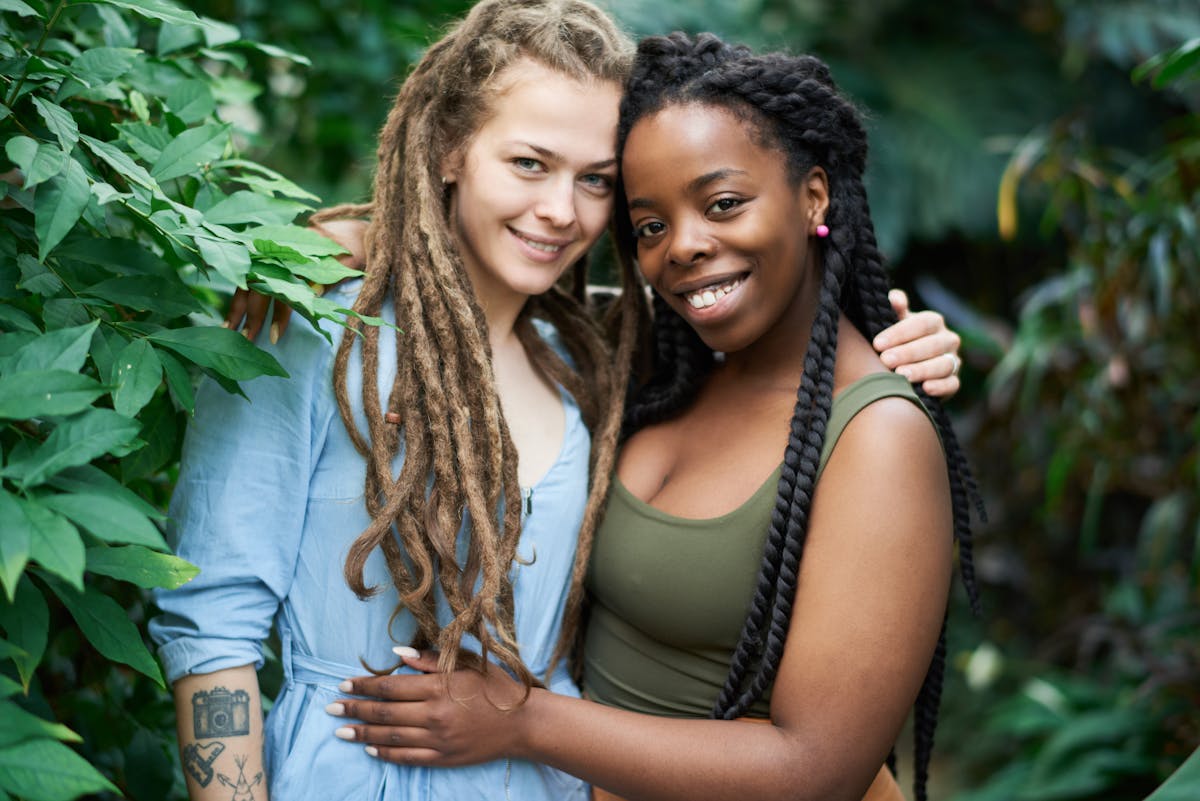
“Family isn’t always blood. It’s the people in your life who want you in theirs; the ones who accept you for who you are—the ones that would do anything to see you smile and who love you no matter what.”
Unknown
© Linda Berman
 waysofthinking.co.uk