
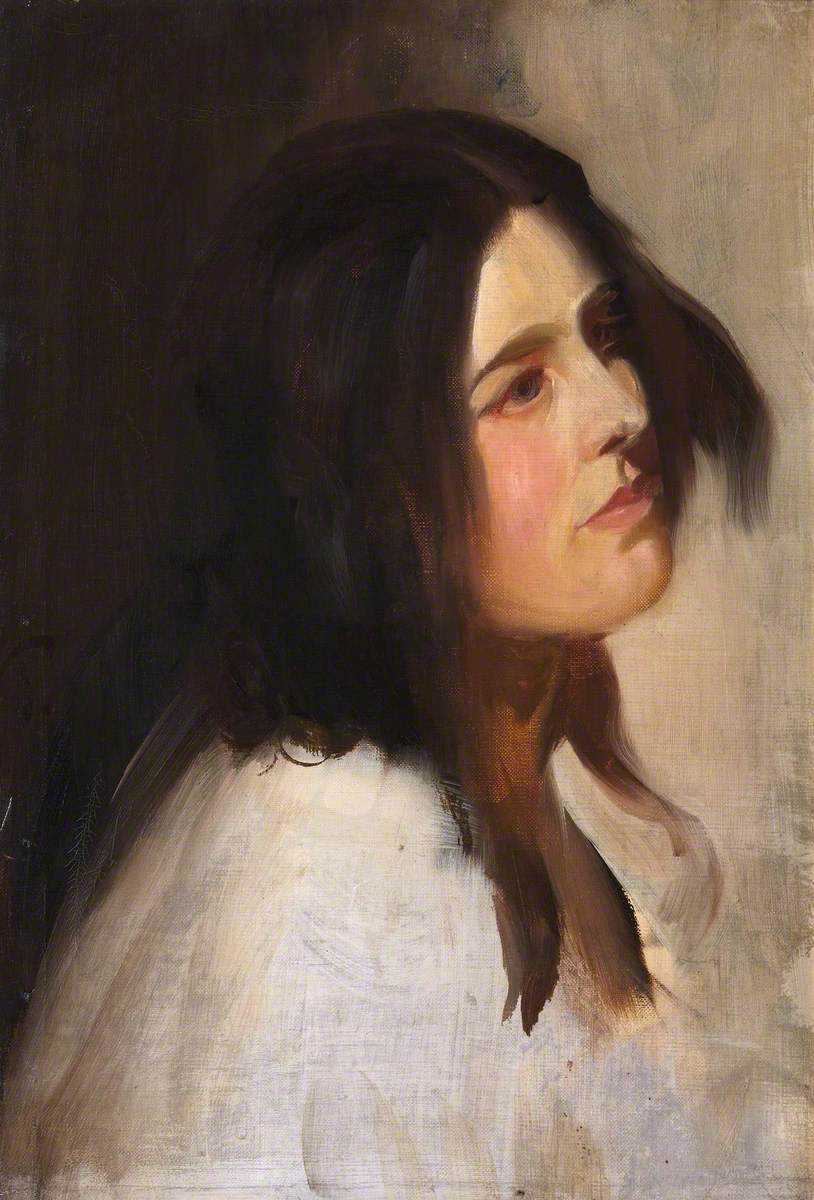
 The Question. James Torrance (1859–1916). Artuk.org
Do you find yourself constantly searching for answers, answers, answers? Do problems go round and round in your head as you worry about how to solve them?
In our current society, there is an expectation of instant gratification, immediate results. Sometimes, of course, it is necessary to find a solution or jump into action quickly. For example, in medical emergencies, or natural disasters, or to rescue people in other kinds of urgent, dangerous situations, we need quick responses.
Children, both at school and at home, need to ask many questions; they may receive instant answers, or be encouraged to think about answers themselves, in some situations.
These experiences apart, searching for answers as adults can, in fact, make you feel more confused, more lost, stuck and entrenched in a quagmire of unanswered questions.
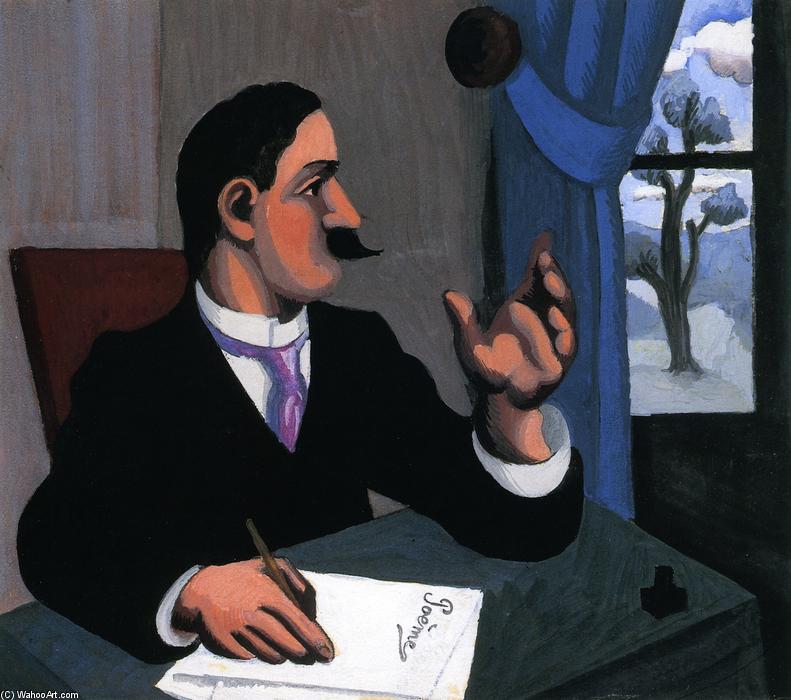 The Poet – Roger De La Fresnaye. 1920. Wikioo.
“Do not search now for the answers which cannot be given you because you could not live them. It is a matter of living everything. Live the questions now. Perhaps you will then gradually, without noticing it, one distant day live right into the answer.”
Rainer Maria Rilke’s “Letters to a Young Poet”
Rilke is recommending to the young poet that he need not constantly look for answers in life or in poetry, because he must live his life and find answers, almost without noticing, through the process of living.
Questing and searching in a deliberate way for answers will produce only frustration and feelings of failure; we have to discover these though our experience of life.
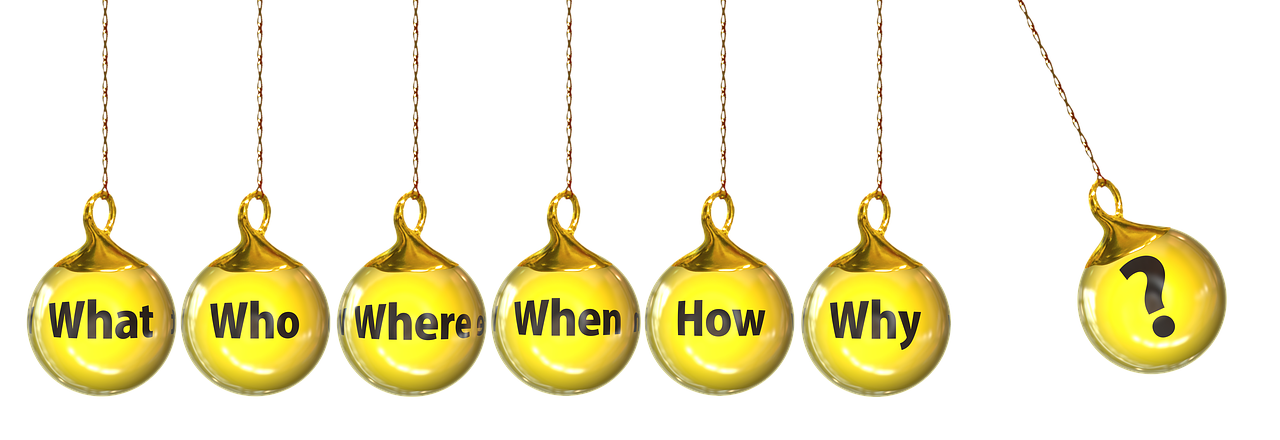
“I would rather have questions that can’t be answered than answers that can’t be questioned.”
Richard Feyman
This quotation is a very wise one, for it points to the fact that open questions are healthy and beneficial, whereas answers given with an ‘absolute’ approach, one that brooks no inquiry or discussion, represent a closed and rigid attitude.
“Obviously, a rigid, blinkered, absolutist world view is the easiest to keep hold of, whereas the fluid, uncertain, metamorphic picture I’ve always carried about is rather more vulnerable.”
Salman Rushdie
Having a mind that is accepting, flexible and tolerant of new ideas is crucial in this regard. If we are shut inside an entrenched, doubt-free mindset, we are constrained by our own restricted, dichotomous worldview.
This will, inevitably, put limitations on the questions we might ask, stunting creativity, clarity and vision.
Making space and time for contemplation, for considering others’ viewpoints, for reflecting on our questions, or even just waiting for an answer to come, gives us the chance to weigh up situations, rather than constantly needing unquestioning certainty.
Life is full of uncertainties; we cannot know what is going to happen tomorrow. No-one can, and such a question is unanswerable, as are other kinds of existential issues.
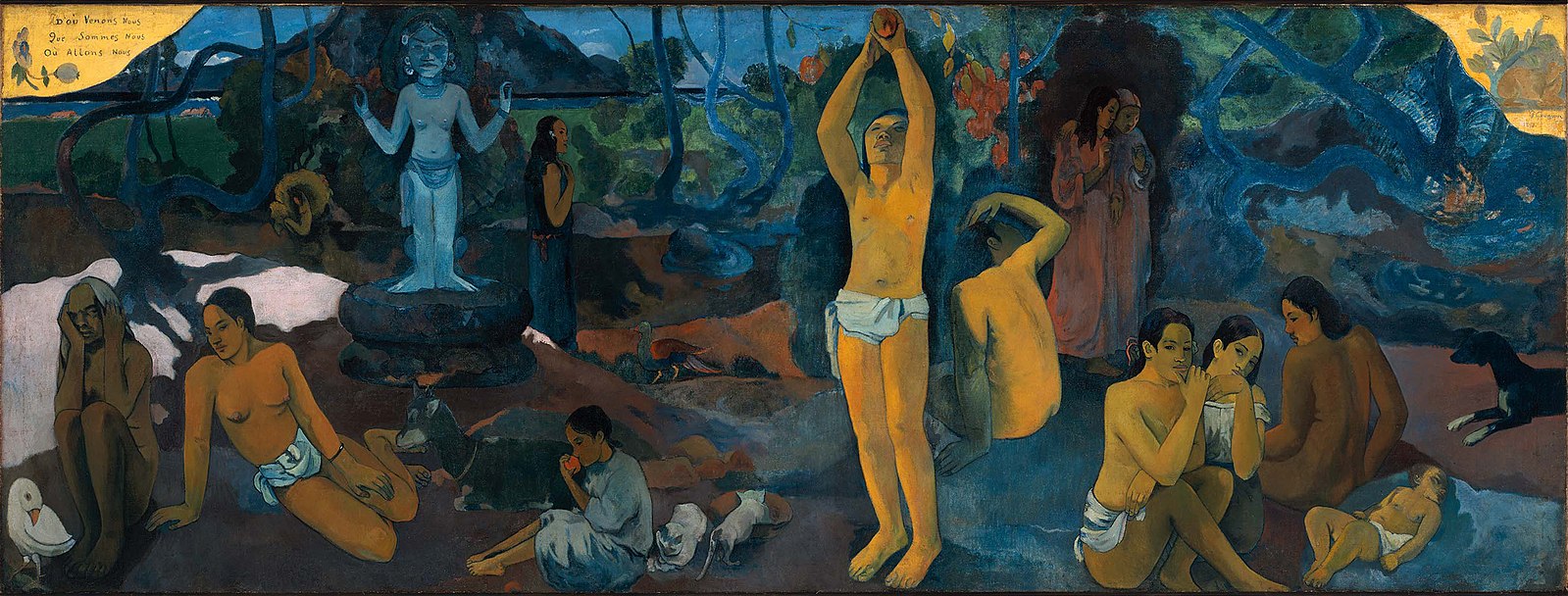 Where Do We Come From? What Are We? Where Are We Going? Gauguin. (1897) Wikimedia Commons
“Why are you here?’
‘That is the question we all must ask ourselves. That is the question for which there is no answer.”David Almond, Island
Developing a capacity not to know and to stay with feelings of uncertainty can be a highly creative and freeing experience, even during difficult times.
“I can live with doubt and uncertainty and not knowing. I think it’s much more interesting to live not knowing than to have answers that might be wrong.”
Richard P. Feynman
Instead of rushing to find the ‘right’ answer, what if we were to allow some degree of uncertainty, letting ourselves wonder, wander, and be curious? There needs to develop an ability to wait, staying with the sometimes difficult state of not knowing answers and ‘living in the question.’
This requires patience and a faith in the process of gradual, natural discovery of answers, as we slowly gain wisdom and self-knowledge.
“There is always an easy solution to every problem – neat, plausible, and wrong.”
H. L. Mencken
When and if the time is right, the answer will become manifest.
Questioning, both ourselves and others, without expectations of a quick response, can challenge fixities and rigidities of thinking. It can mean that long-held, worn out and outdated ideas can be aired and discounted if they no longer have relevance.
“The important thing is not to stop questioning; curiosity has its own reason for existing.”
Albert Einstein.
- Escaping the vicious circle: waiting in silence
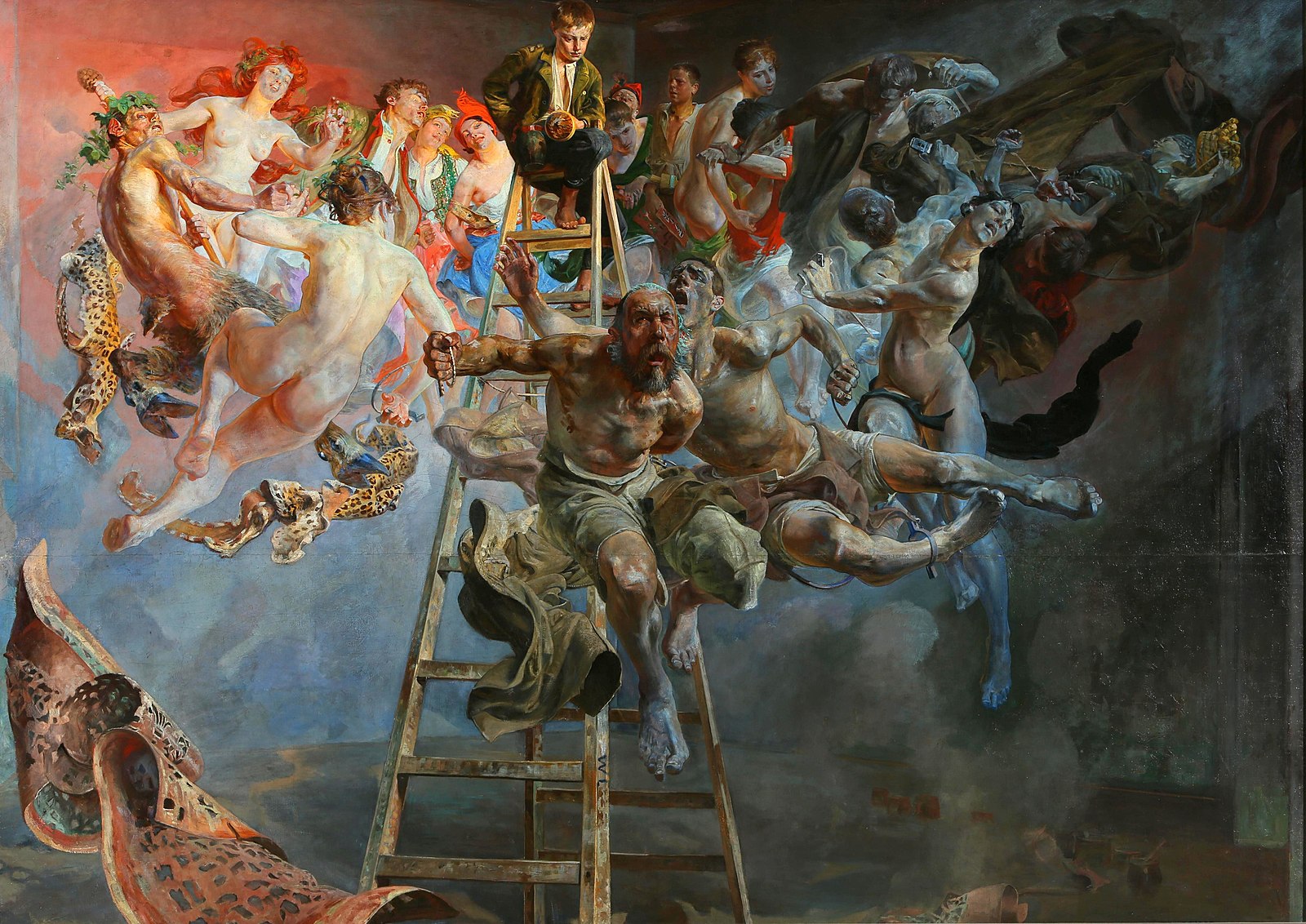 Jacek Malczewski. Vicious Circle. 1897. Wikimedia Commons
There are times when we may seek answers from others and feel frustrated that they do not, or cannot, offer any help. We trap ourselves in a vicious circle of trying to seek solutions outside of ourself.
This endless quest for answers can be exhausting and depleting of our strength and energy. Sometimes, such frantic, active searching can be a defence against having to think and feel. Rushing around does not give us space or time to look inside ourselves.
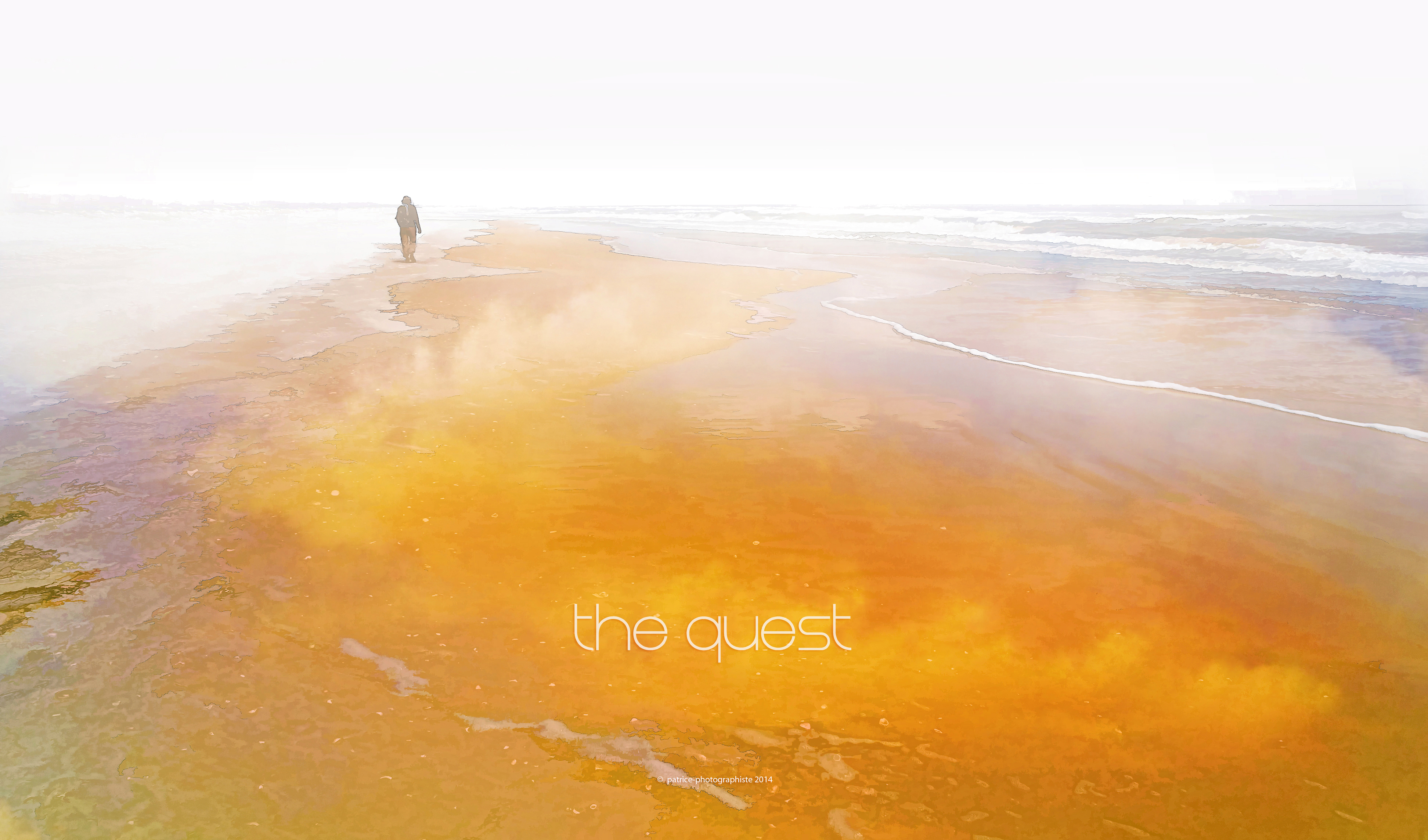 patrice-photographiste.The Quest (la quête)2013. Flickr
Constantly seeking the ‘right’ answers, means that we do not allow ourselves to just ‘be’ with our unanswered questions in silence. This can be essential to our health and wellbeing.
Doing nothing but being silent can often give us an opportunity to find solutions to problems and be at our most creative. It is perhaps important to alter our approach to the idea of doing nothing, and not see this as necessarily wasting time. We need to take time to ‘be’ who we are.
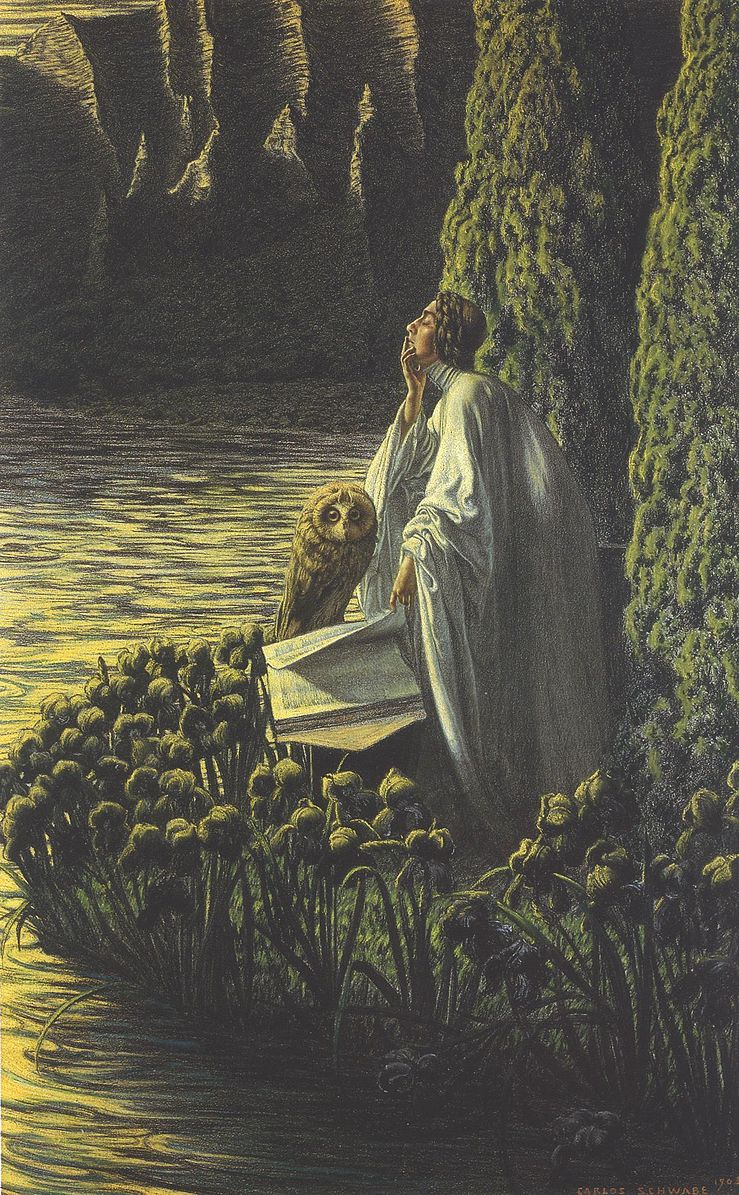 Carlos Schwabe (1866–1926). Interior Silence. Wikimedia Commons
“Silence isn’t empty; it’s full of answers.”
Unknown
This is a profoundly meaningful quotation, for it highlights the fact that, if we allow ourselves to be in silence, we will experience a state that is far from being devoid of creativity. If we listen to our inner voice, in time we will discover the deep truths within.
Insight and answers will emerge naturally from the depths of our unconscious as we move through life, if we are aware and if we are listening to ourselves and our ‘gut’ feelings.
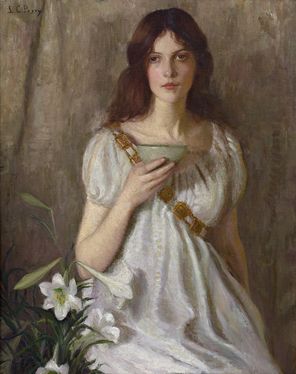
Lilla Cabot Perry – The Cup of Knowledge. c1905. Wikimedia Commons.
“At the centre of your being you have the answer; you know who you are and you know what you want.”
Lao Tzu
We all have intuitive powers, deep within us, a large ‘cup of knowledge.’ If we pause and ponder in silence, we will gradually discover what lies beneath the layers of socialisation and the habits of conforming to others’ wishes.
Intuition, appropriately combined with awareness and discernment, can be a way of tuning into the self, into the miraculous gifts of energy that we have been given. We need to be sure to utilise these gifts and to discover our own, personal answers within.
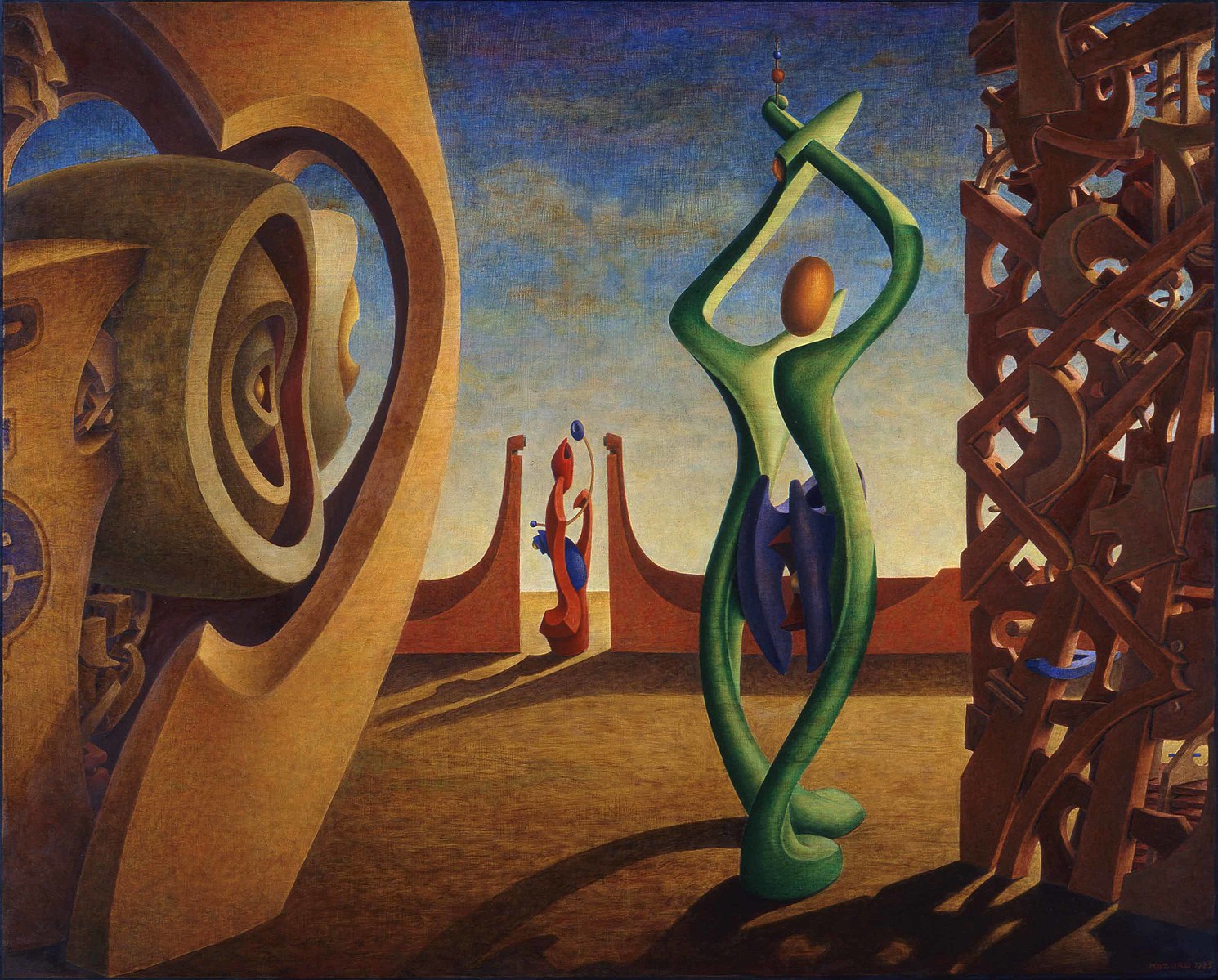 Les voix intérieures – 3ème mouvement (1984-85)Didier Mazuru. Wikimedia Commons
“Stop looking for answers from strangers. The answers to your life are within you. Only you know what makes your heart feel at home. Only you can hear your inner voice. The key is in asking the right questions (and being silent to hear the answers within)”
C. Nordyke.
Self reflection is crucial. Taking some time out is essential in order to do this, to ponder deep questions in a peaceful setting, to really think about who you are, what you want in life, what are your real beliefs, your own truths, your values, what is the meaning of life for you, what are your real passions, whom do you really love…..
Listening to ourselves, to our inner voice, finding our own answers, is a skill that can be acquired through self-reflection, through therapy, through meditation, through self-knowledge.
It is not easy to listen to oneself. We first have to recognise who we are and discern clearly what is our own voice, untangling this from the multitude of confusing voices inside us from others, past and present.
To do this we need to attain some peace of mind, some calmness and serenity….
Our inner voice can be drowned out by authoritarian, moralistic, or over-parental messages, or perhaps by internalised societal or cultural influences.
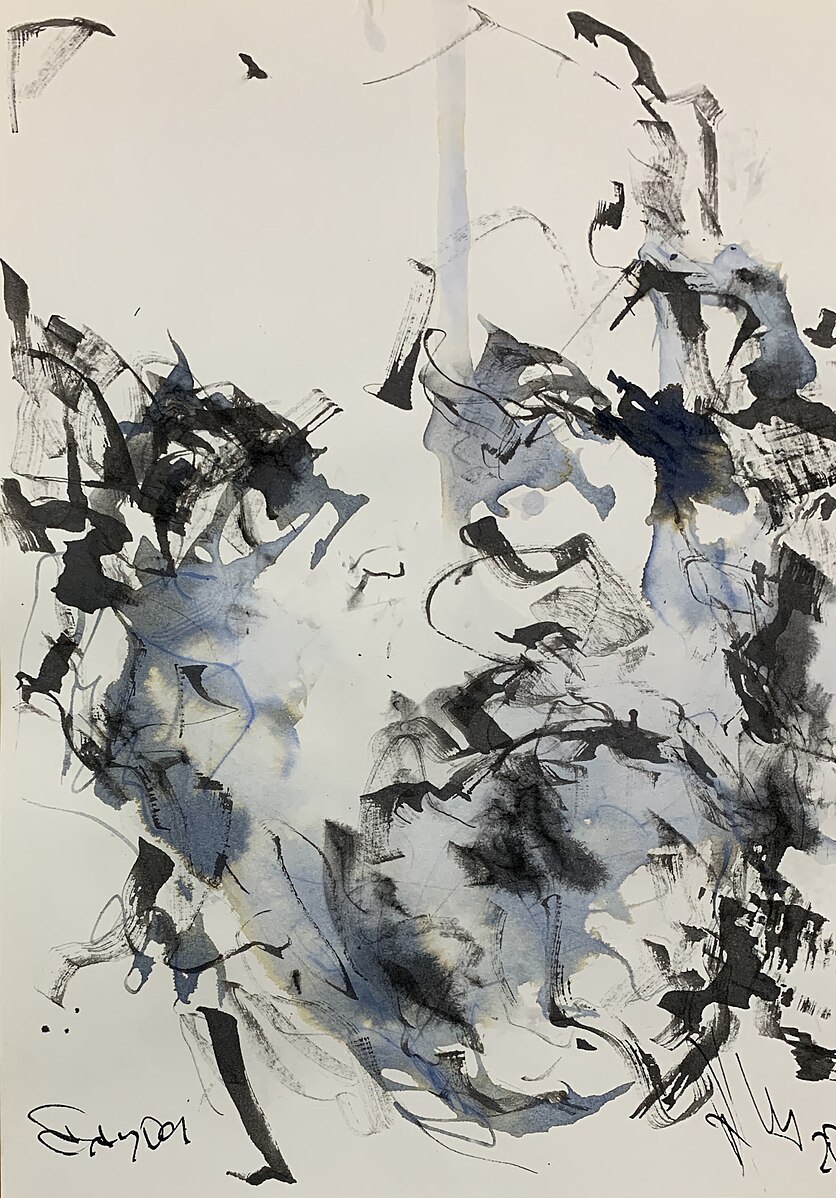 David Stern, Self Introspection Day 9, 2020. Wikimedia Commons
“We all have an inner voice, our personal whisper from the universe. All we have to do is listen — feel and sense it with an open heart. Sometimes it whispers of intuition or precognition. Other times, it whispers an awareness, a remembrance from another plane. Dare to listen. Dare to hear with your heart.”
CJ Heck
********
This blog is totally non profit-making. It may not give you answers, but it will certainly pose some important questions for you to consider. As a retired psychotherapist with over 30 years experience, I write both for my own self-expression and to help others.
If you have liked this post, I would much appreciate you showing support to me by becoming a follower of waysofthinking.co.uk
Thank you,
Linda. 🤗
© Linda Berman
 waysofthinking.co.uk