
- Determination and knowledge…

Chris Green. Rosa Parks defies segregation on Alabama bus. 1955. Flickr.
“I have learned over the years that when one’s mind is made up, this diminishes fear; knowing what must be done does away with fear.”
Rosa Parks
Fear can be emotionally crippling and may impede us from doing what we want in life. It can control us, preventing us from using our abilities and from taking risks, keeping us locked in our minds, full of trepidation and emotionally paralysed.
The extremely courageous Rosa Parks discovered that being resolute and determined, as well as having knowledge and being informed, lessened her fear. Rosa was a civil rights activist and had much experience and training in this area.
Her grandparents had been slaves and had strongly upheld and fought for racial equality. Being courageous in the face of extreme fear had long been a characteristic of those in her family.
 1956 segregated Chattanooga bus passengers. Wikimedia Commons. A photo by Chattanooga News Free Press photographer Jim Mooney, showing segregated seating on a bus, possibly operated by Southern Coach Lines. Chatanooga Public Library.
Rosa felt powerfully influenced and supported by the bravery of her ancestors in battling against racial hatred and daring to speak out. From childhood she and family members demonstrated and fought back against racists… she knew exactly who she was dealing with.
She did feel fear, but she was passionately determined that something had to be done; this helped her overcome her fear and have the strength to take considerable risks in achieving justice.
She fought valiantly for women’s rights and for the freedom of black people, and her efforts brought real and lasting change.
- Facing the fear…

Outbreak of Fear III – Paul Klee. 1939. Wikimedia Commons
“Fear is inevitable, I have to accept that, but I cannot allow it to paralyze me.”
Isabel Allende
Unless we face our fears, they can, indeed, render us immobile and static. In confronting such fears, we may ask ourselves, in Sheryl Sandberg’s words, “What would you do if you weren’t afraid?”
Discovering what we really want, and what it is that is stopping us from achieving it, past and present, can be helpful.
Sometimes the blocks can be deeply hidden in our unconscious mind and we may need some therapy to help us identify our fears and understand where they originated. This is in order that we might, in time, feel freer to move forward and be more fulfilled, less hampered by our fears.
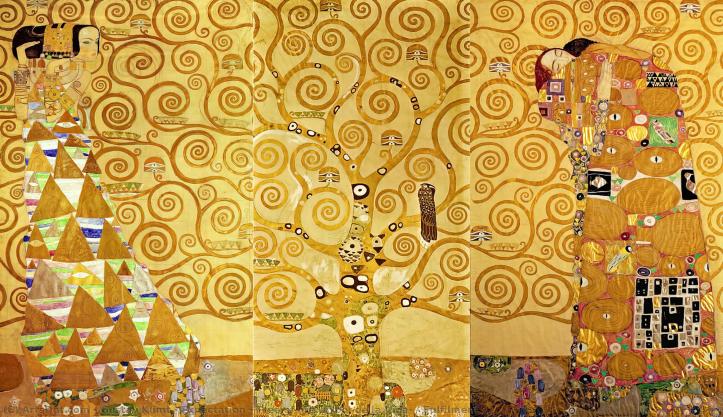 Expectation – Tree of life (Arbol de la Vida) – Fulfilment. 1909– Gustav Klimt. Wikioo
“Tell me, what is it you plan to do with your one wild and precious life?”
Mary Oliver
Everyone has experienced some kind of fear; in our daily lives there may be many occurrences which can trigger such feelings. Sometimes, when things start to feel too overwhelming, we may find that sharing our thoughts and feelings with a trusted friend or family member can be enough to help us through.
However, whilst it is natural for everyone to feel fearful sometimes, if such feelings become all-consuming, we might need psychological help. Such persistent fears are often rooted in past experience, especially when there has been acute trauma.
Winnicott’s words are highly relevant here:
“The catastrophe you fear will happen has already happened.”
Winnicott.
This quotation alerts us to the fact that our deepest fears in adulthood will have had their origin in an early experience of trauma that has already occurred, even though they feel like a present and future threat.
We may not remember the ‘catastrophe’ exactly, as trauma is often repressed; however if we experience current, unexplained feelings of terror, this will likely indicate that something painful happened to us at some point in our lives.
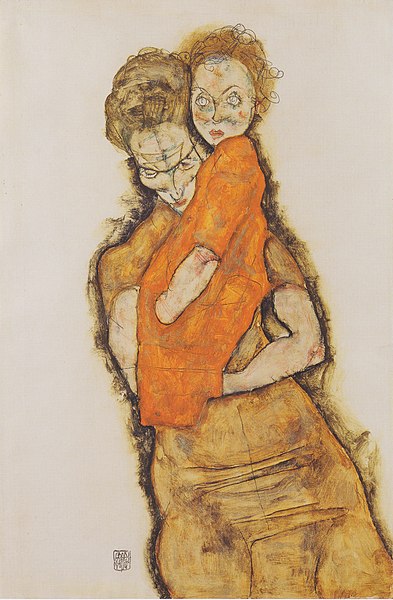
Egon Schiele – Mother & Child. 1914. Wikimedia Commons.
It can be a comforting and empowering thought that we survived it all then, when we were children, perhaps with little, if any, support or comfort. We will most likely be able to survive such pain now, in adulthood, when we have more strength and more resources.
- Existential fear
Irvin Yalom is an existential psychotherapist; he believes that at the root of many of the problems that clients bring to therapy lies the fear of death.
This fear may be well hidden behind other symptoms, but it is nevertheless there. Therapy may involve looking beyond the presenting symptoms to the underlying fears of ageing and death, which may often never have been confronted.
“Where your fear is, there is your task”.
CG Jung

Looking Out To Sea – Henry Scott Tuke. 1884. Wikioo.
“Man cannot possess anything as long as he fears death. But to him who does not fear it, everything belongs. If there was no suffering, man would not know his limits, would not know himself.”
Tolstoy
 Death and Life – Gustav Klimt. 1916. Wikioo
“It is not death that a man should fear, but he should fear never beginning to live.”
Marcus Aurelius
Existential fears and ruminations can make the life that we do have one long misery; engaging in psychotherapy can help us face these fears and learn how to manage them.
Some anxiety and trepidation about death are inevitable in us all; what is important is how we cope with our knowledge of this universal, inescapable destiny. Yalom emphasises the importance of finding meaning in our lives, living and relating authentically and being conscious of ourselves and others around us.
‘….the more unloved your life, the greater your death anxiety. The more you fail to experience your life fully, the more you will fear death.’
Yalom
Many thinkers, philosophers and writers, across time and across cultures, have come to similar conclusions. A fulfilling life definitely helps us to accept and manage the fear of death.
“I used to think that eighty was a very old age. Now I am ninety, I do not think this any more. As long as you are able to admire and to love, you are young.”
Pablo Casals.
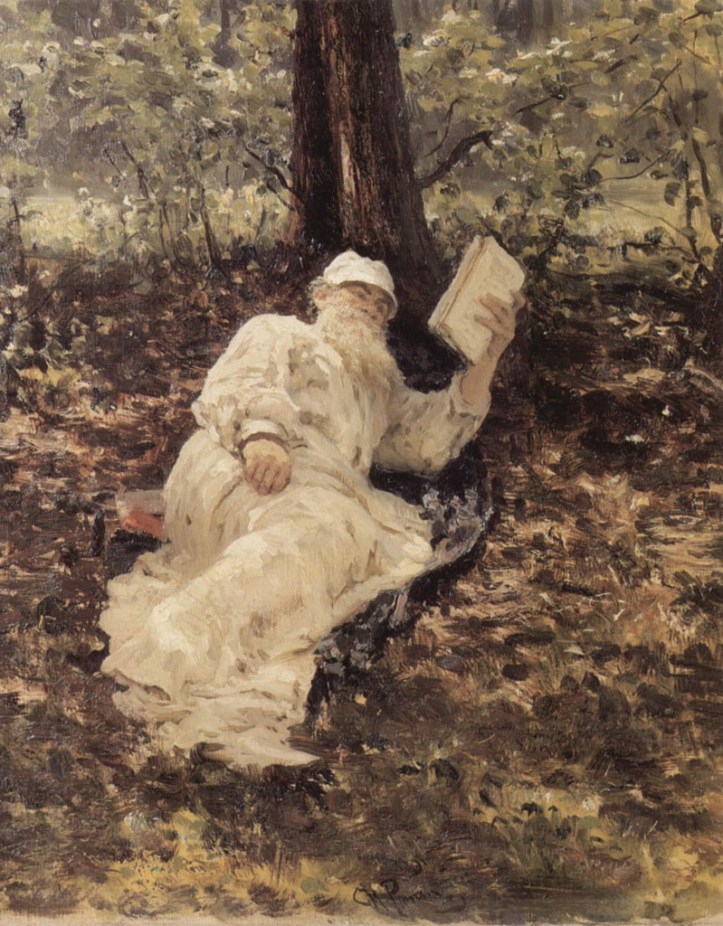
Leo Nikolayevich Tolstoy takes a Rest in the Woods, 1891. Ilya Repin. Wikimedia Commons
“If you don’t know the exact moment when the lights will go out, you might as well read until they do.”
Clive James
- ‘Respect based on fear’
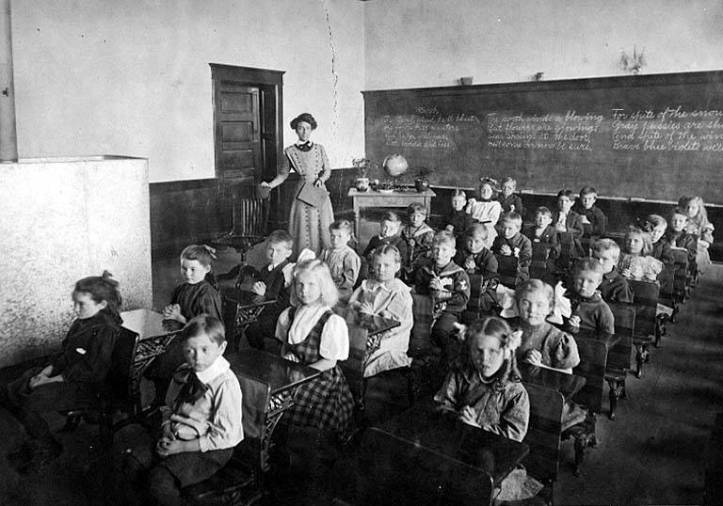
“Nothing is more despicable than respect based on fear.”
Albert Camus
People who control, punish, suppress and dominate may feel that they command ‘respect,’ when they see that others follow their orders. However, this is not genuine respect, for such bullying, intimidating people are not admired, but feared, and often much resented.

This kind of relationship is based on power, rather than mutual respect. It is about creating fear and compliance in order to get things done, forcing obedience without question, rather than fostering genuine regard, motivation, and interest in others. Camus, quite rightly, regards this as ‘despicable.’
Such a leadership style, designed to induce fear, creates stress and rebellious feelings amongst other people.
“Fear sticks like a barb in the mind. Someone cold enough to take advantage of it can attach strings to those barbs and make puppets of men and women.”
Lance Conrad
Such control can rapidly become abusive, and, for everyone who experiences this sort of authoritarian, bullying behaviour from another, it creates a very unhappy life all round.
When taken over in this way, personal boundaries are violated, physically and/or mentally, and people are often paralysed with fear, which keeps them controlled and, in some instances, dependent, on their tormentor.
- Journeying within…
What if we perceive this tendency to control others in ourselves? If we have come to recognise how destructive of self and other this can be, how might we change our controlling and fear-inducing behaviour?
We will need to face the fact that we cannot control anything except parts of ourselves; this realisation can be a painful shock. Life throws many difficult experiences at us, personally and universally, no matter how much we try to gain power over the world.
Any attempts to try to exert control will inevitably backfire on us, and we need to remember this fact. Understanding why we feel the need to control others is crucial, and it may be that we need a therapist’s help in order to discover the roots of, and fears beneath, our controlling behaviour. Controlling others is related to feeling insecure and uncertain inside.
“Your vision will become clear only when you can look into your own heart. Who looks outside, dreams; who looks inside, awakes.”
Carl Jung
Whilst it can be difficult and discomfiting to journey into the deeper realms of our mind, the rewards of self awareness are manifest. The result will be that we ourselves experience less fear, enabling a more satisfying and productive life and more genuine relationships.
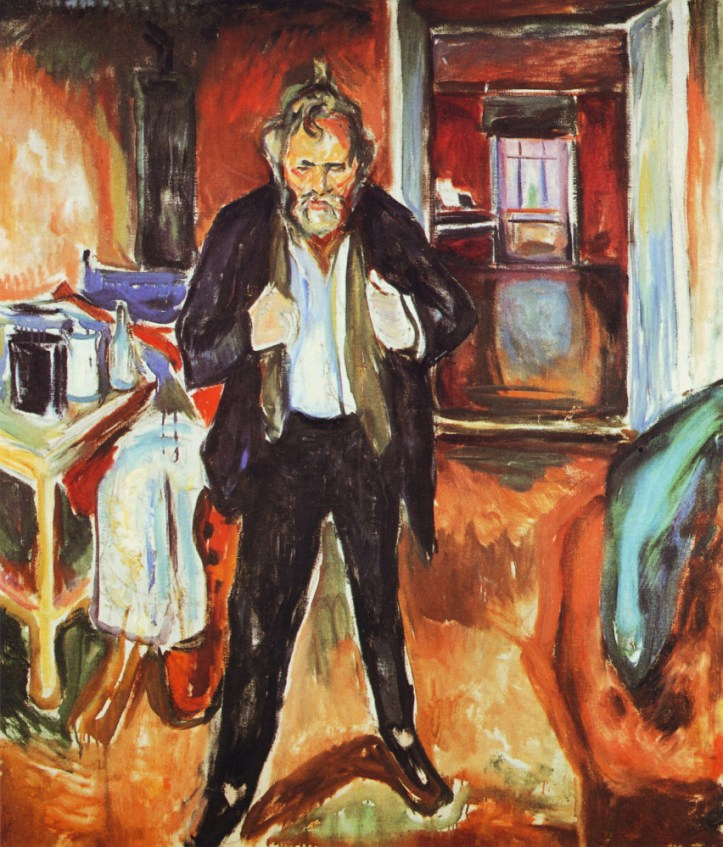
Edvard Munch – Sleepless Night. Self-Portrait in Inner Turmoil (1920). Wikimedia Commons
“Choose the great adventure of being brave and afraid at the exact same time”
Brené Brown
© Linda Berman
Please have no fear of subscribing to my blog…it is completely free and you will receive notification about the next post straight into your email inbox. You will also have my gratitude and appreciation!! Thank you.
Linda.
 waysofthinking.co.uk
Thank you for this. I especially liked the bit about the fear having already happened and how things aren’t the same anymore.
LikeLike