
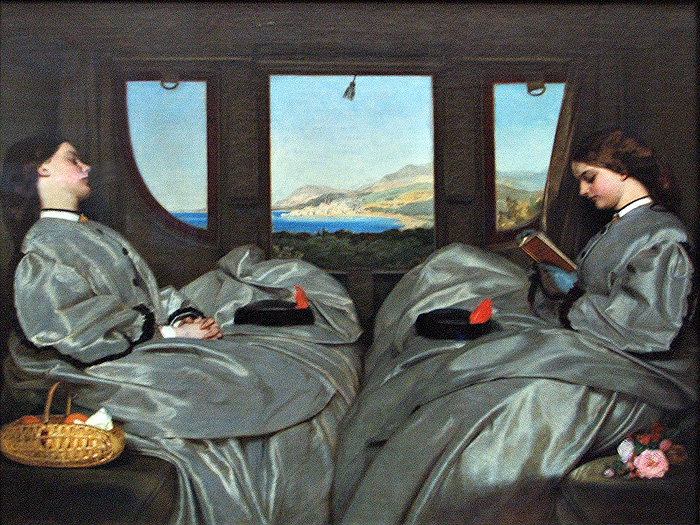
 Augustus Egg. The Travelling Companions. 1862. Wikimedia Commons
“Why do you go away? So that you can come back. So that you can see the place you came from with new eyes and extra colours. And the people there see you differently, too. Coming back to where you started is not the same as never leaving.”
Terry Pratchett, A Hat Full of Sky
- Leaving and coming back
Eliot is saying that the process of exploration itself is a way of understanding both self and other; we will gain in knowledge and wisdom if we engage in discovery and travel. What we have known and what is familiar becomes different as we ourselves increase in comprehension and wisdom. Travelling gives us new perspectives on both our inner and outer worlds, as we absorb new ways of thinking. Similarly, an understanding of history, a kind of ‘time-travel,’ will broaden our horizons and help us better understand situations in the present.“We shall not cease from exploration And the end of all our exploring Will be to arrive where we started And know the place for the first time.”
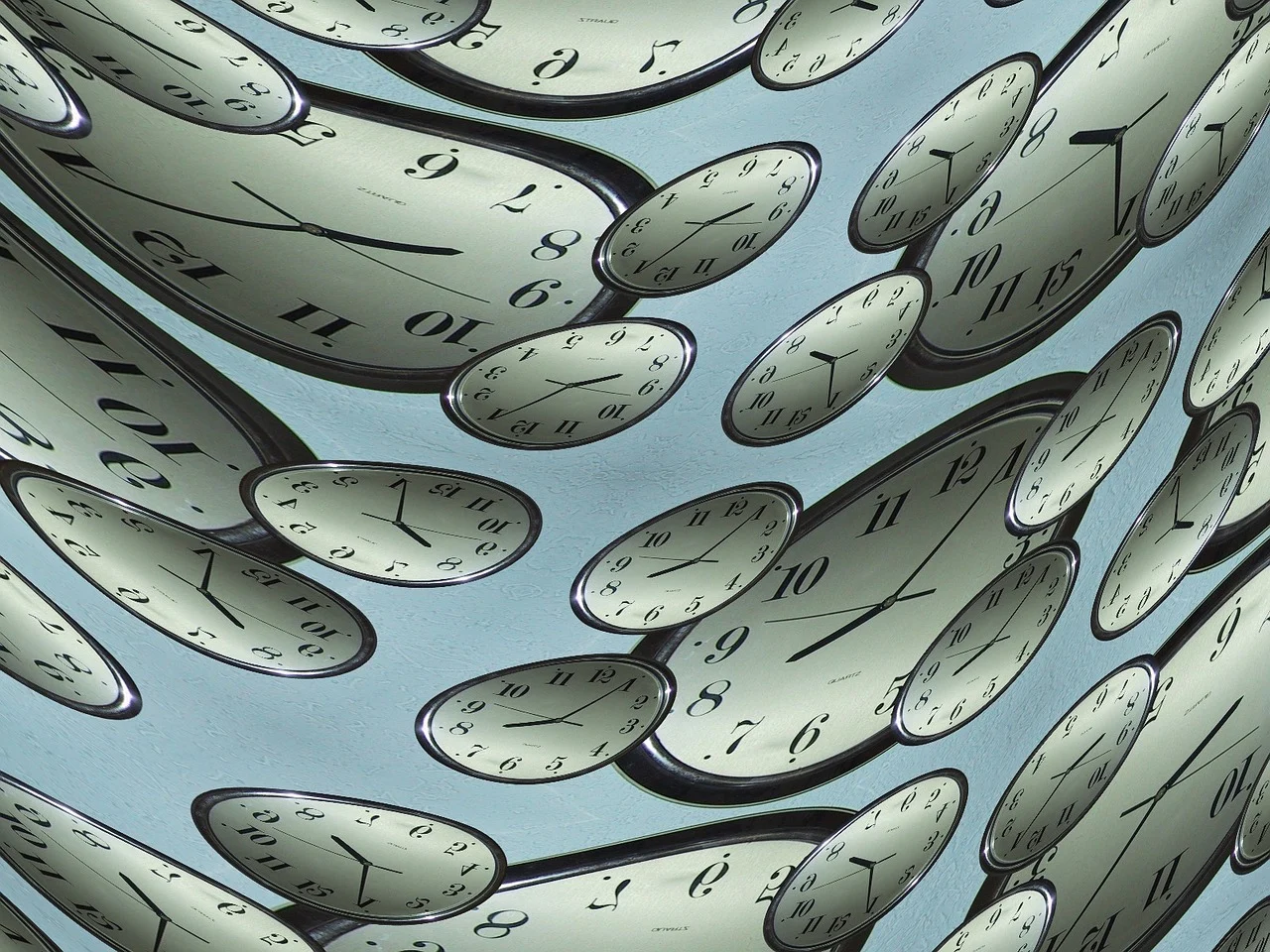 Image: Geralt, Pixabay.
Studying the past can help us avoid making mistakes, if we are able to listen to its lessons. This journey into another place, another time, enables us to examine different cultures and ideas, just as travel through our present world might do. The difference is that, in studying the past, we are looking back at something that has already taken place, something finished. This enables us to understand cause and effect, which might not be available to us as clearly in the present time. Travelling through time into history provides us not only with events, but also with an added understanding of these events, with some kind of answers, with a full perspective in terms of a beginning, a middle and an end. History maps out patterns for us, showing us the routes people have taken, and it provides us with evidence of their success, or otherwise.‘Study the past and you would define the future.’
Confucius
- Do we even need to get there?…the value of the journey
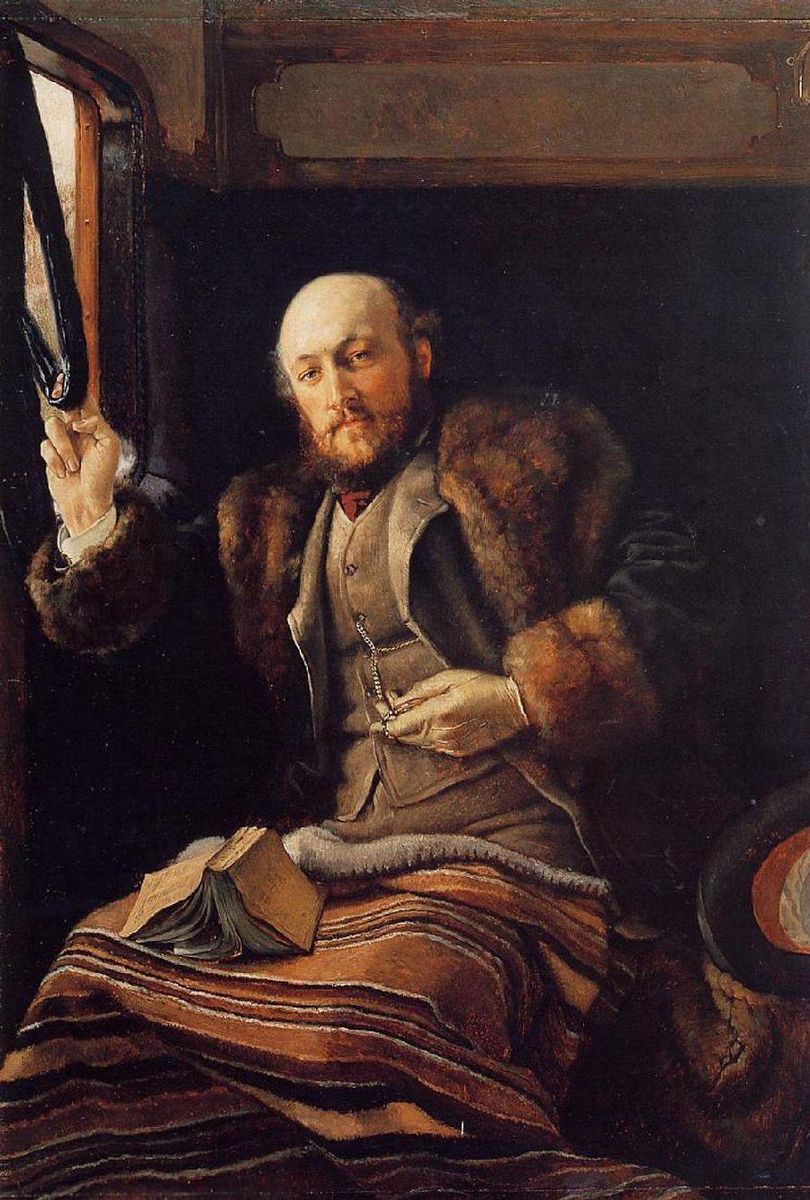 Tissot. Railway Carriage. 1872. Wikimedia Commons
Tolkien is implying that a journey can be an end in itself, that ‘wandering’ does not have to imply aimlessness. The destination and the outcome may not be as important as the journey, for it is in travelling that we can discover ourselves and our identity.“Not all those who wander are lost.”
J.R.R. Tolkien, The Fellowship of the Ring
A journey is a process, one in which we can develop and grow as we meet new people, form influential relationships, become exposed to new events and influences, experience different cultures and customs. As Terry Pratchett says at the start of this post, people in other places will see us differently too, reflecting back to us new aspects of ourselves.“Successful people enjoy the journeys they embark on, irrespective of whether they reach their destination or not.”
Zain Hashmi
On any journey there will be challenges, and we will, inevitably, learn to manage and face these new obstacles. This will build resilience and help us to adjust our original thoughts, goals and perspectives on life. Whist reaching our journey’s end may feel like an achievement, in actual fact, the process of getting there is most often when the learning happens.“The good life is a process, not a state of being. It is a direction, not a destination.”
Carl Rogers
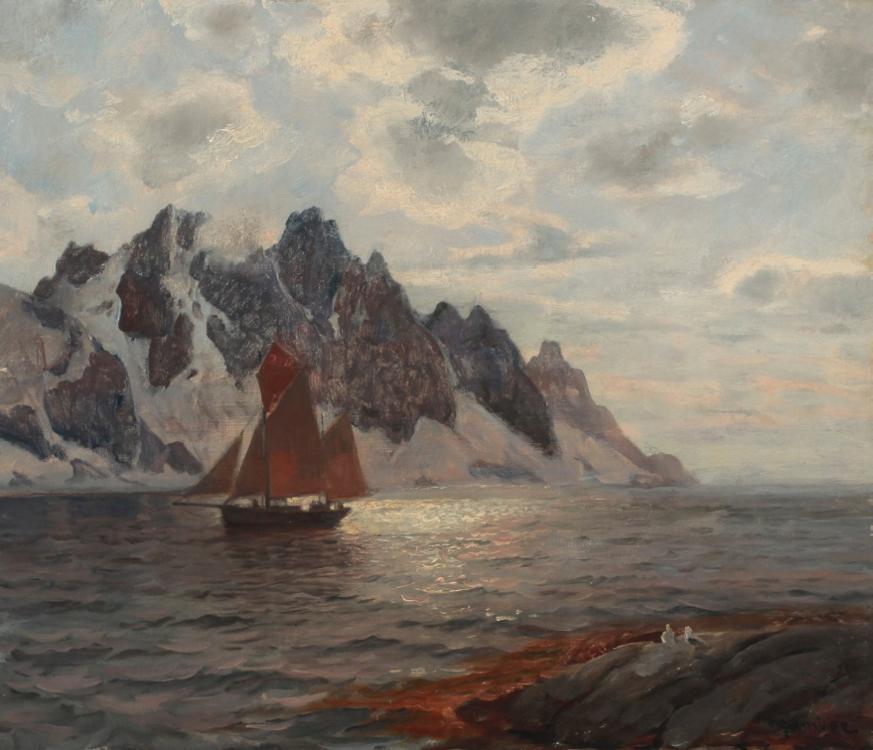
The Journey – Thorolf Holmboe.(1866-1935)Wikioo
“It is good to have an end to journey toward; but it is the journey that matters, in the end.”
William Butler Yeats
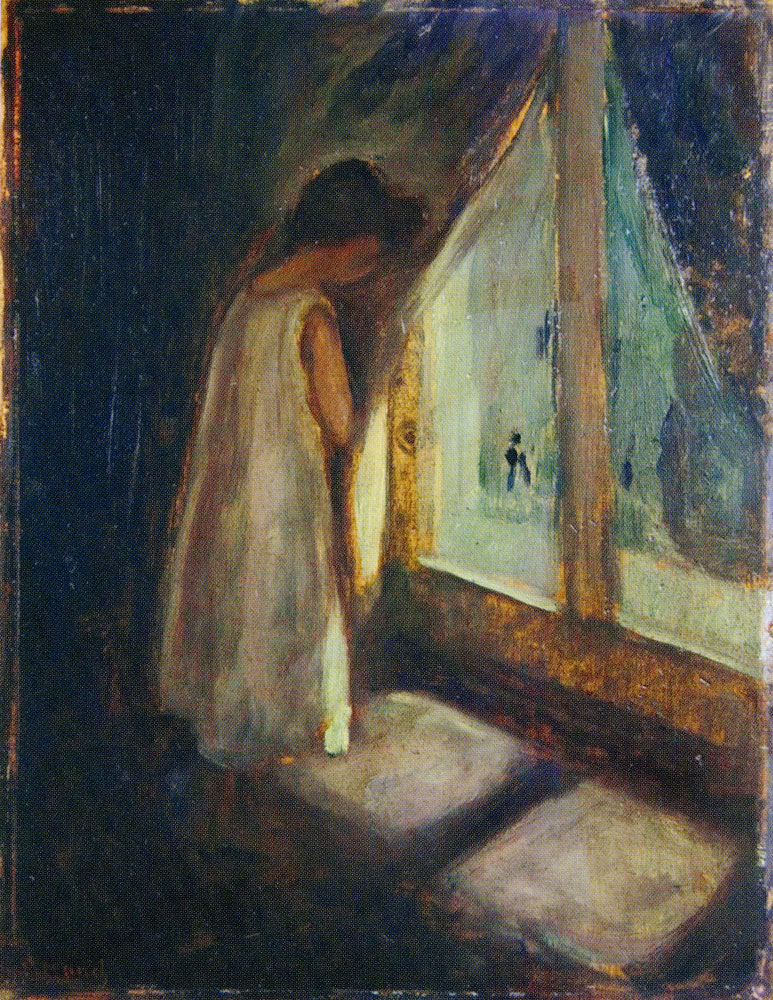
The Girl by the Window. Munch. 1896-7. Wikimedia Commons
This quotation is meaningful in that it tells us that there is an interconnectedness between our outer and inner worlds and that what we might desire and be looking for in the world may also be wanting us too. This may be seen as referring to ideas of attraction, in that there is an alignment between our inner need and the outer world. For example, when we are loving to others, we will most probably experience love from those others in response. Perhaps the person we smile at may have been searching for some kind of sign that they are worth noticing and acknowledging, however fleetingly, however randomly.“What you seek is seeking you.”
Mawlana Jalal-al-Din Rumi
- Meeting yourself…
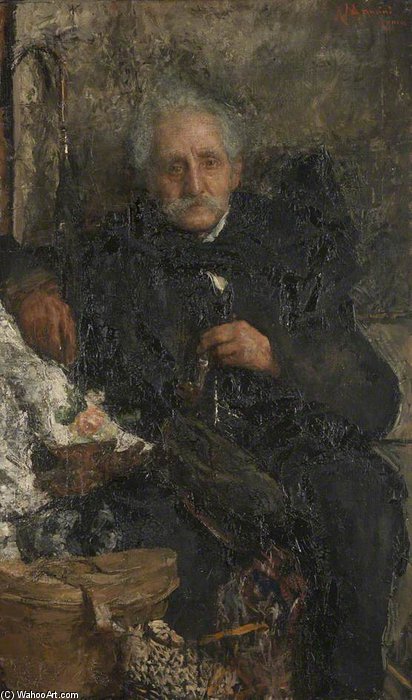
On A Journey – Antonio Mancini. 1903. Wikioo
This quotation develops the theme of self-discovery through travel, the ‘meeting with’ or ‘finding’ of the self. The implication is that exploring the world enables a simultaneous exploration of the self, in that any new understandings gained externally are reflected internally. Within our minds, we all have an internal landscape, a vast and complex internal world of our creation, both conscious and unconscious, a blend of many aspects, including memories, dreams, beliefs, imaginings, experiences, fears, thoughts and feelings. We are also firmly located in the world around us; the external landscape includes the entirety of our surroundings, wherever we may find ourselves. These inner and outer worlds are inextricably linked, forming a complex network of connections. We are irrevocably interwoven into our surroundings, a part of them, dependent on all that the external world has to offer us.“If you travel far enough, you’ll eventually meet yourself.”
Joseph Campbell
“We are part of this universe; we are in this universe, but perhaps more important than both of those facts, is that the universe is in us.”
Neil deGrasse Tyson
Whilst it is obviously important to be as aware and mindful as possible about what is happening in our inner world, this certainly does not imply that our external world is not also crucially important to our wellbeing.“A man’s actions are determined by necessity, external and internal.”
Einstein.
“An individual’s harmony with his or her ‘own deep self’ requires not merely a journey to the interior but a harmonising with the environmental world.”
James Hillman
- Opening the mind…
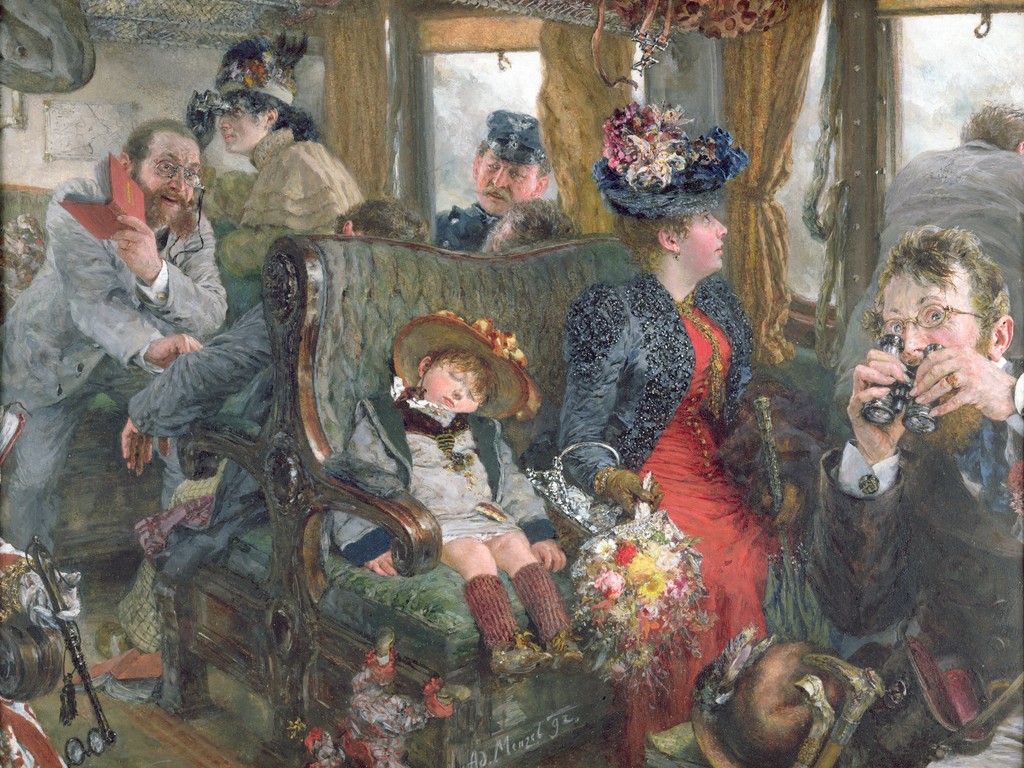
On a Journey to a Beautiful Countryside. 1892. Adolph Menzel. Wikimedia Commons
Travel gives us the opportunity to take some space from the routine busy-ness of our daily lives, to reflect and ponder upon ourselves and our ways of thinking. As we witness different cultures, diverse customs and ways of being, foods that may be foreign to us, new places and new scenery, we are encouraged to widen our outlook on life. Such new experiences give us a broader perspective of the world, sharpening our minds and allowing us a greater understanding of people from other lands. Any rigidities will, inevitably, be challenged as we come to familiarise ourselves with diverse ways of living and attitudes to life.“Travel is fatal to prejudice, bigotry, and narrow-mindedness.”
Mark Twain.
 Interior of Supermarket in Japan.2009. Wikimedia Commons
“Please be a traveler, not a tourist. Try new things, meet new people, and look beyond what’s right in front of you. Those are the keys to understanding this amazing world we live in.”
Andrew Zimmern
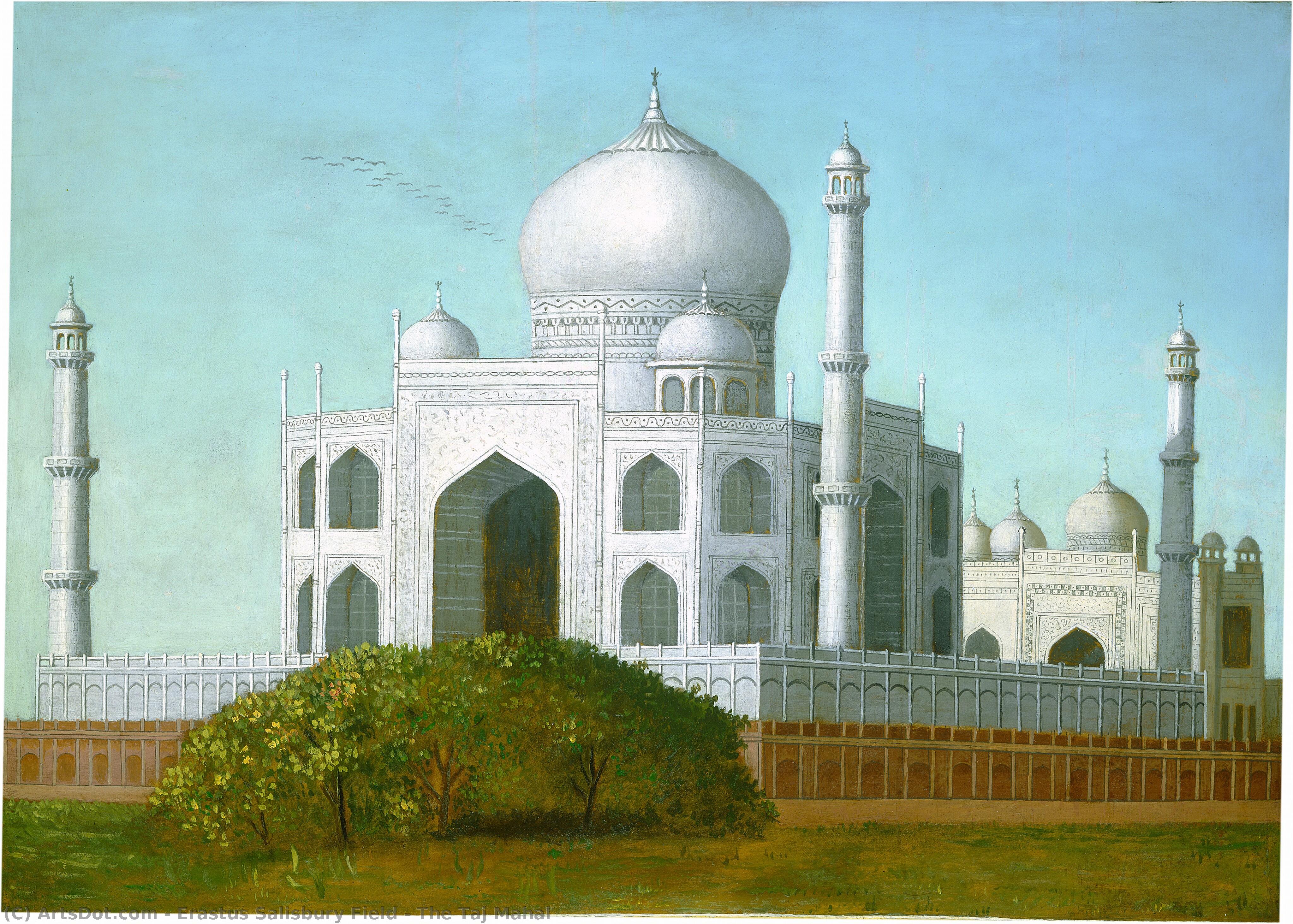
The Taj Mahal – Erastus Salisbury Field. 1880. Wikioo
“Travel and change of place impart new vigour to the mind.”
Seneca
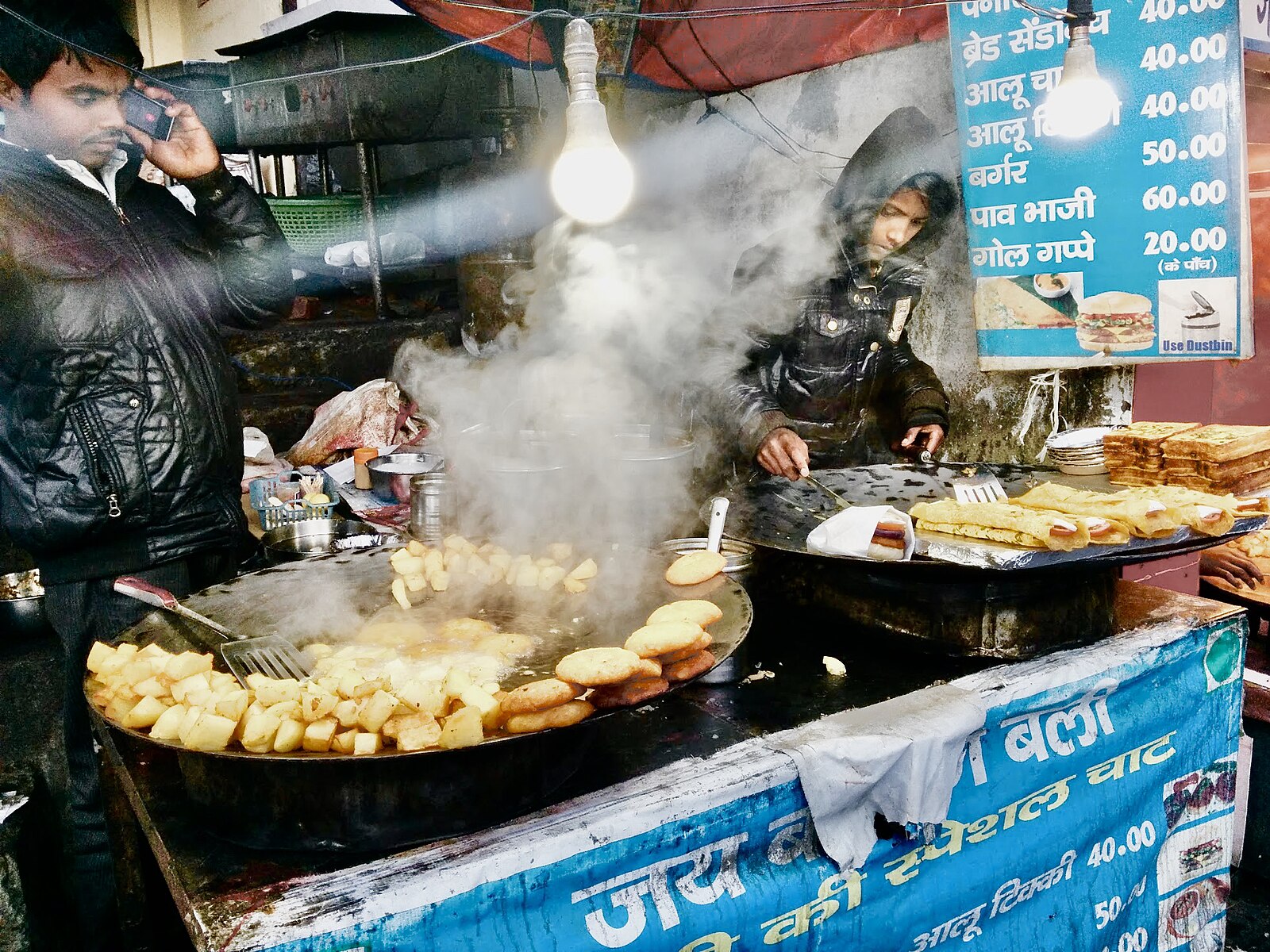
The Great Indian Street Food in Nainital. 2022. Kinitrupti. Wikimedia Commons
The health-enhancing effects of travel are well-known; it can bring us refreshment and relaxation, relieving stress and helping us ‘get away from it all,’ both mentally and physically.“If I’m an advocate for anything, it’s to move. As far as you can, as much as you can. Across the ocean, or simply across the river. The extent to which you can walk in someone else’s shoes or at least eat their food, it’s a plus for everybody. Open your mind, get up off the couch, move.”
Anthony Bourdain
“…cherish these unrushed moments. Make room in your heart for them. There will be many mountains to climb, but always make time to find the pastures where you can rest.”
Morgan Harper Nichols
By temporarily moving out of our daily schedule, ditching the usual routine, we can develop more flexibility, winding down emotionally, increasing our happiness and feelings of freedom.
We can, for a while, put aside some of the problematic issues in our lives, so that when we have to pick them up again on our return, they may feel different, or lighter. Our experiences of travelling away can feel like a period of ‘time-out,’ a being outside of our usual time. This is akin to a re-boot of our minds, a switching off of part of our awareness. Travel also gives us the opportunity to meet new people and to familiarise ourselves with different ways of thinking.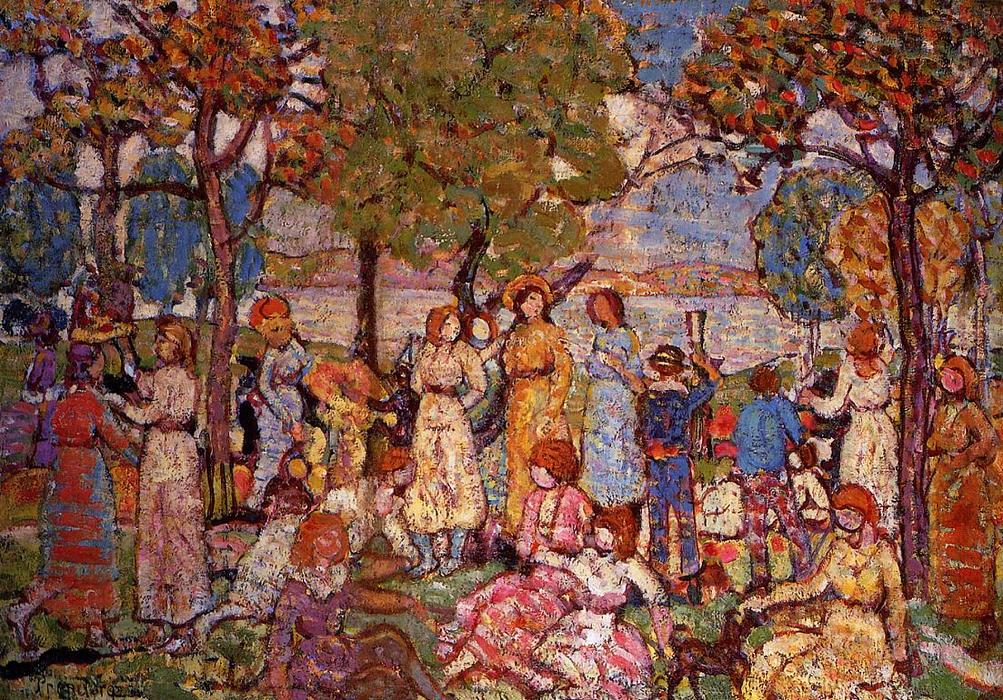 Holidays – Maurice Brazil Prendergast. c. 1920. Wikioo
“The world is a book, and those who do not travel read only one page”
Saint Augustine
- Psychotherapy as a journey…
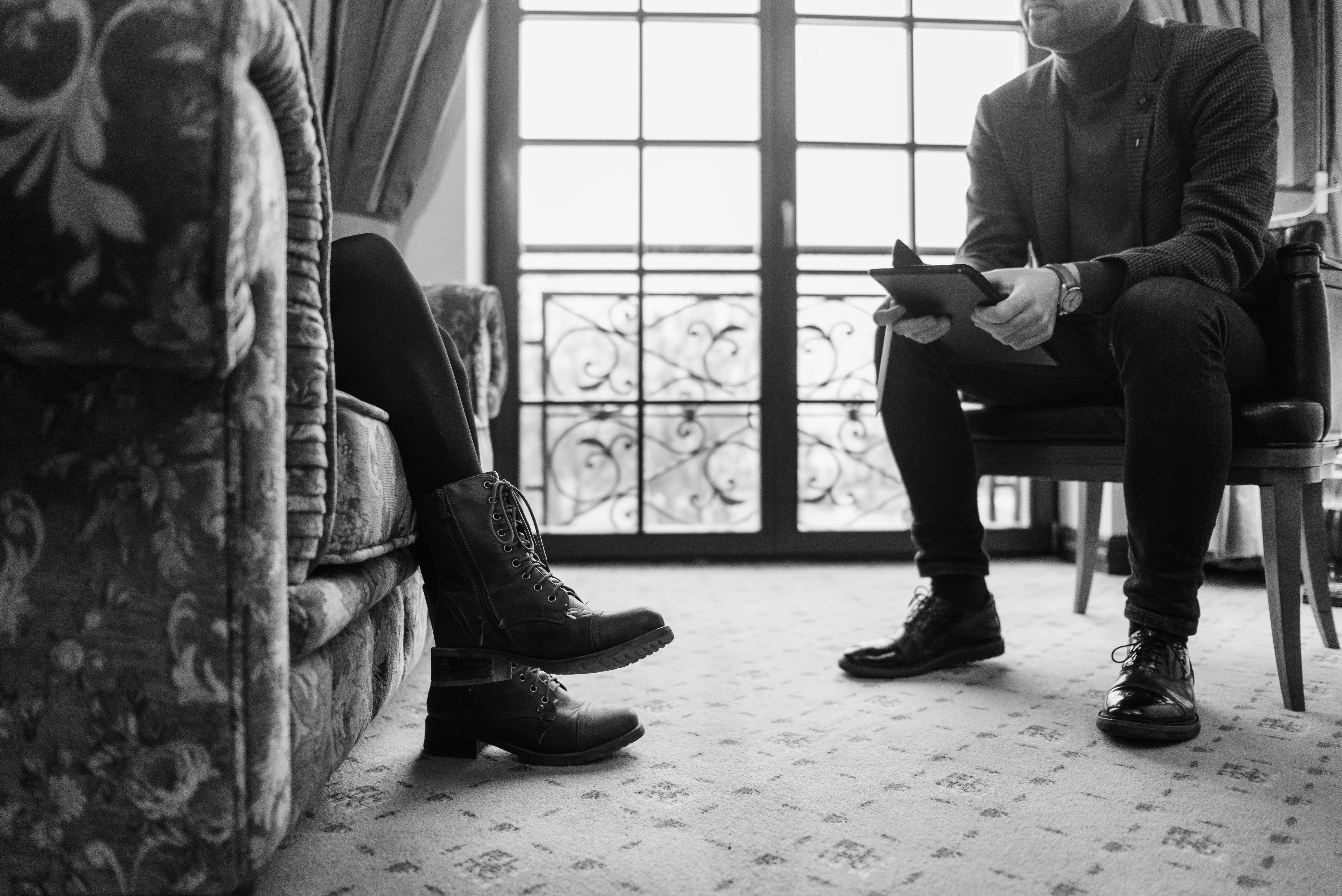
Yalom also felt it was highly important to see the therapist as being alongside the client on their journey to discover themselves:“Therapy is a journey into the unknown, but one that can lead to self-discovery and personal growth.”
Yalom
Whilst the journey into our self, into our unconscious mind, may not be straight or linear, it is one of the most important journeys we may ever make…“I prefer to think of my patients and myself as fellow travellers, a term that abolishes distinctions between “them” (the afflicted) and “us” (the healers)…….We are all in this together and there is no therapist and no person immune to the inherent tragedies of existence.”
Yalom. The Gift of Therapy.
It is, inevitably, a painful process, travelling over the often tortuous paths of our unconscious in psychotherapy, although it can produce great rewards.“The only journey is the one within.”
Rainer Maria Rilke
“If you want to choose the pleasure of growth, prepare yourself for some pain.”
“Transformation is a process, and as life happens there are tons of ups and downs. It’s a journey of discovery – there are moments on mountaintops and moments in deep valleys of despair.”
Rick Warren
This is a journey on which we will hope to get to know ourselves; it is a moving inwards towards our real selves. There are times when this journey is full of pain and suffering. To face newly-discovered aspects of oneself is no mean feat.“It’s the not the destination. It’s the journey.”
Ralph Waldo Emerson
“No one who, like me, conjures up the most evil of those half-tamed demons that inhabit the human breast, and seeks to wrestle with them, can expect to come through the struggle unscathed.” Sigmund Freud
- Travel and creativity
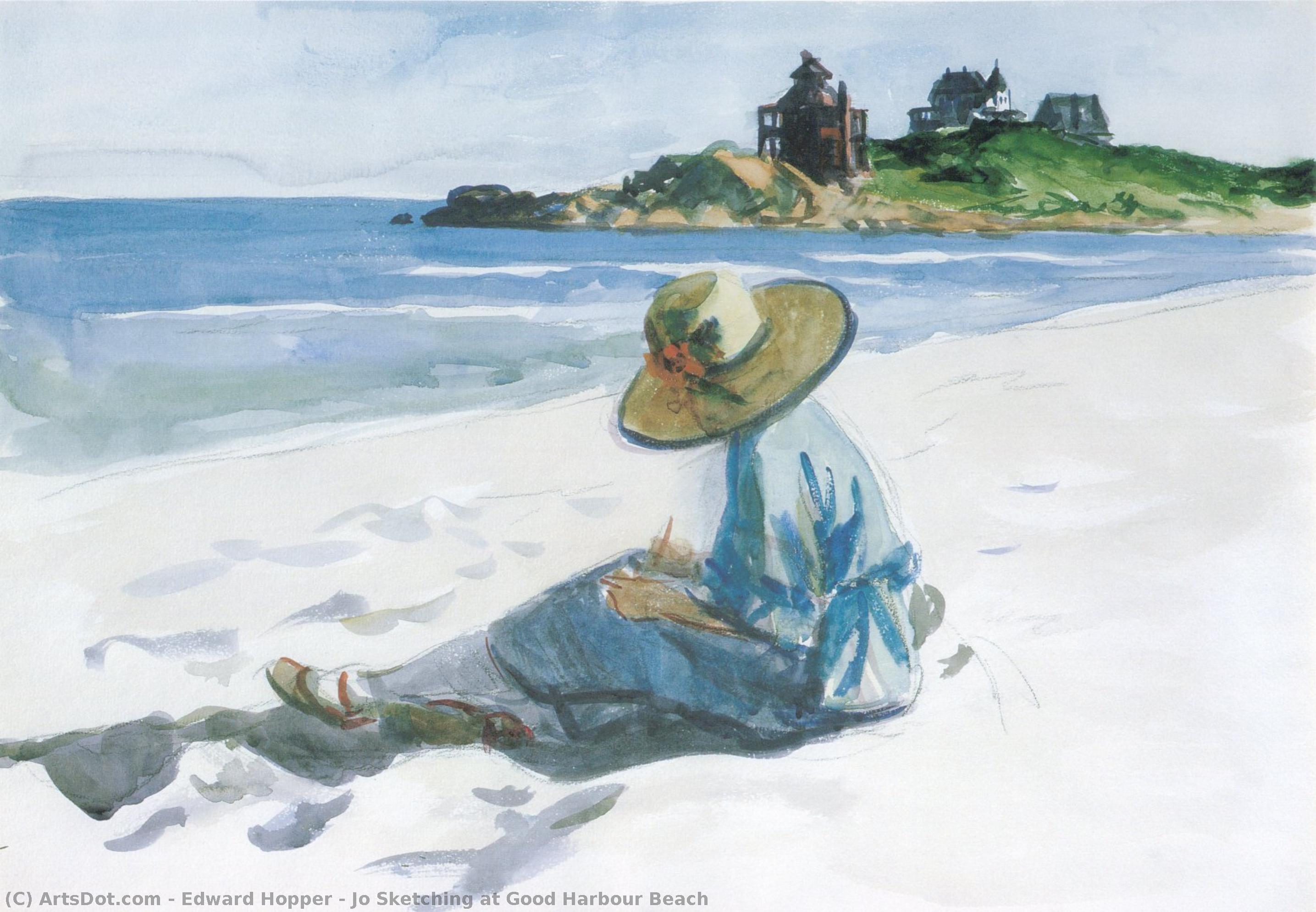
Jo Sketching at Good Harbour Beach – 1923. Edward Hopper. Wikioo
“On the road and travelling – that’s when people are at their most creative.
Nick Woodman”
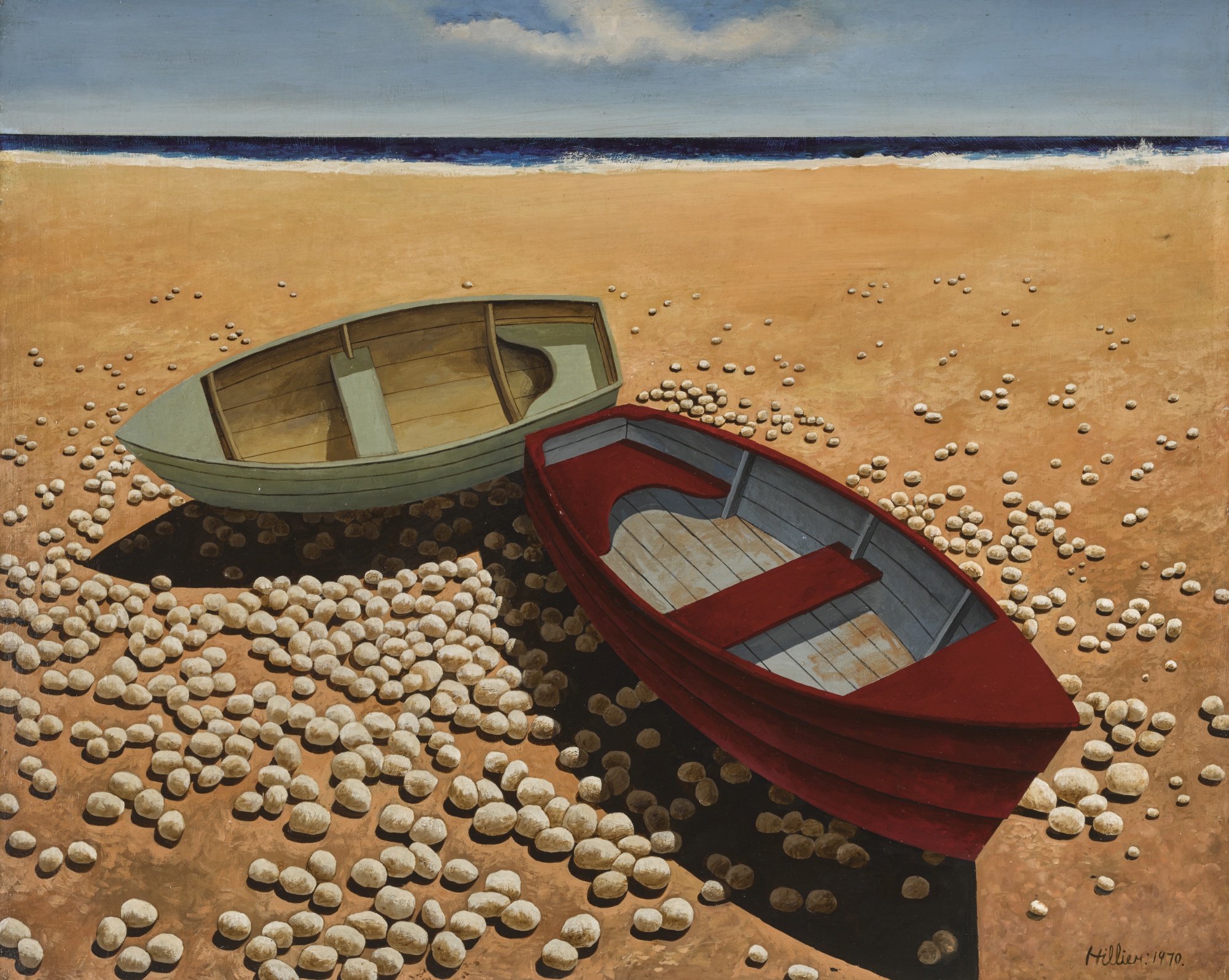 Tristram Hillier – Boats on a Pebbled Beach [1970] Gandalf’s Gallery
Travel can enhance creativity; it also allows us time and space to relax, to decrease stress and tension, to have opportunities for creativity, perhaps to write, paint, read, listen, observe, take photographs.“Taking time to sit back and watch and think about what you’ve seen is important. Travelling did a great deal to me. I found that when I travel and just sit in the corner and watch, a million ideas come to me.”
Lionel Richie
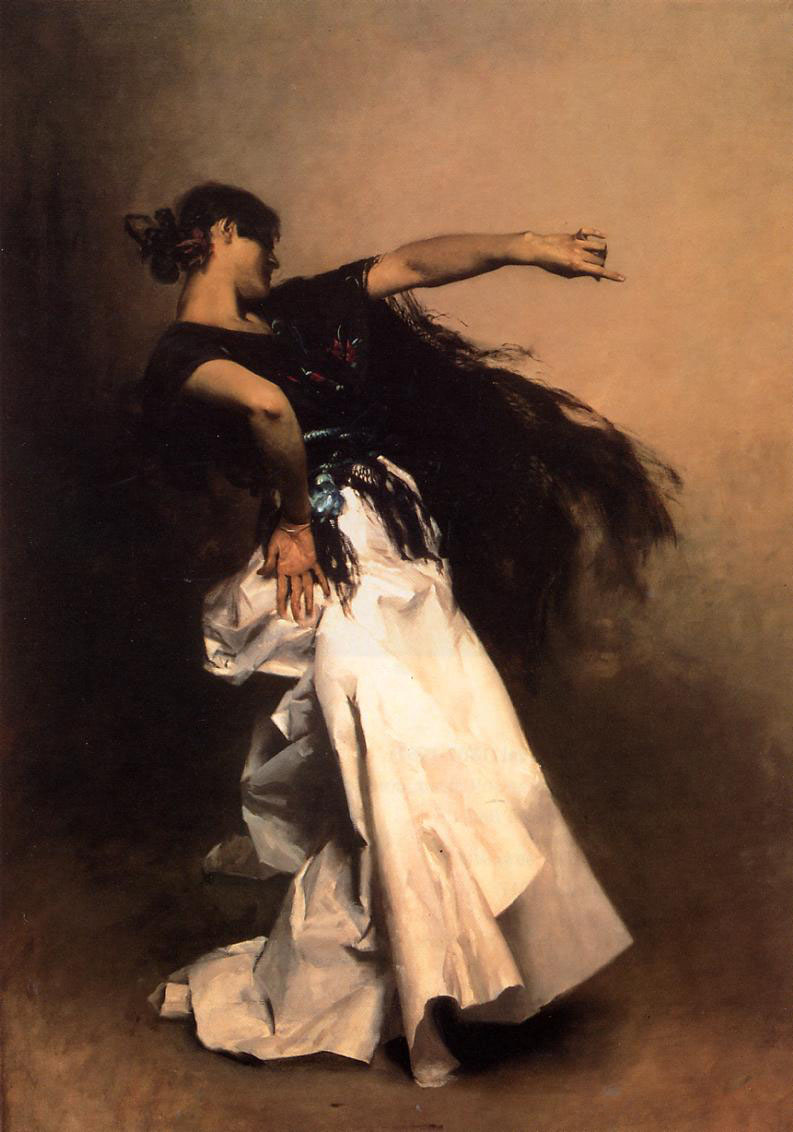 Spanish Dancer (1880–1881)John Singer Sargent. Wikimedia Commons
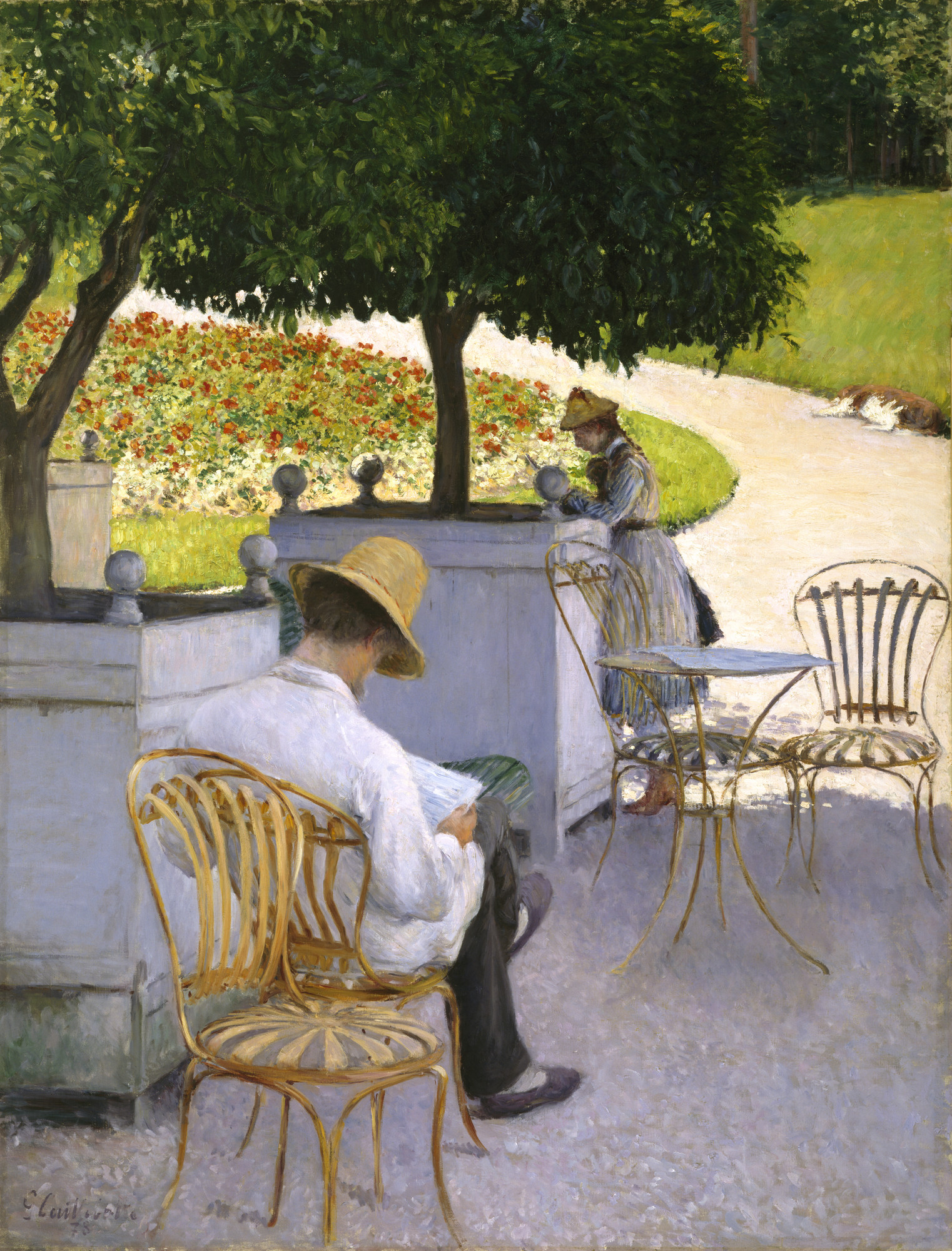 Gustave Caillebotte – The Orange Trees [1878] Gandalf’s Gallery. Flickr
“Journeys are the midwives of thought.”
Alain de Botton
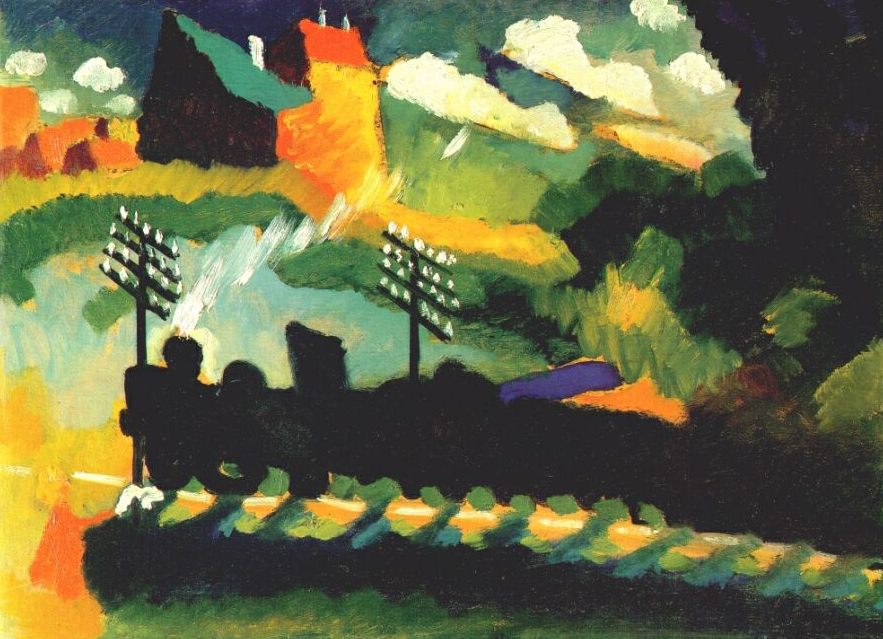 Vassily Kandinsky, 1909 – Murnau train et château. Wikimedia Commons
© Linda Berman“If we find poetry in the service station and motel, if we are drawn to the airport or train carriage, it is perhaps because, in spite of their architectural compromises and discomforts, in spite of their garish colours and harsh lighting, we implicitly feel that these isolated places offer us a material setting for an alternative to the selfish ease, the habits and confinement of the ordinary, rooted world.”
Alain de Botton, The Art of Travel
 waysofthinking.co.uk
Hi Linda, Cannot find any attachments? Regards Leslie
LikeLiked by 1 person
What exactly do you mean Leslie?
LikeLiked by 1 person
I have found your blog now Linda, just could not find it at first.
Have a good weekend we are now in the Cotswolds beautiful part of England .
LikeLike
Phew! Glad you found it Leslie!! Have a lovely time! 🤗🥂
LikeLike