

Girl On A Balcony Watching A Couple By A Lake – Philip Richard Morris.(1836-1902) Wikioo.
“The ability to observe without evaluating is the highest form of intelligence.”
Jiddu Krishnamurti
Do you have the skills, the wisdom and the self-awareness to observe without evaluating? This is not easy, as many of us tend to jump to quick, unconsidered conclusions and to make speedy, unthinking evaluations of other people, of situations, even of ourselves.
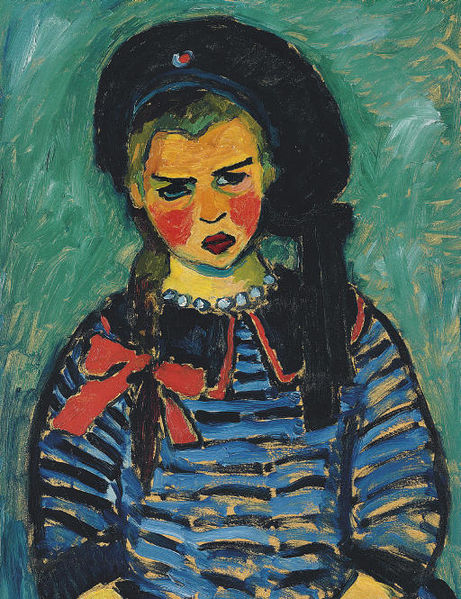
Alexander Jawlensky. Girl With A Red Bow. 1911. Wikimedia Commons.
“One of the signs of intelligence is to be able to accept the facts without being offended.”
Richard P. Feynman
This quotation complements the one above; it brings in the concept of being offended by ‘the facts’ rather than observing them with an open mind and looking at what may be our own biases, prejudices and rigidities.
I am not implying here that we ‘should’ never be offended, of course we will be, but sometimes the offence we take might have as much to do with us as it does the other person.
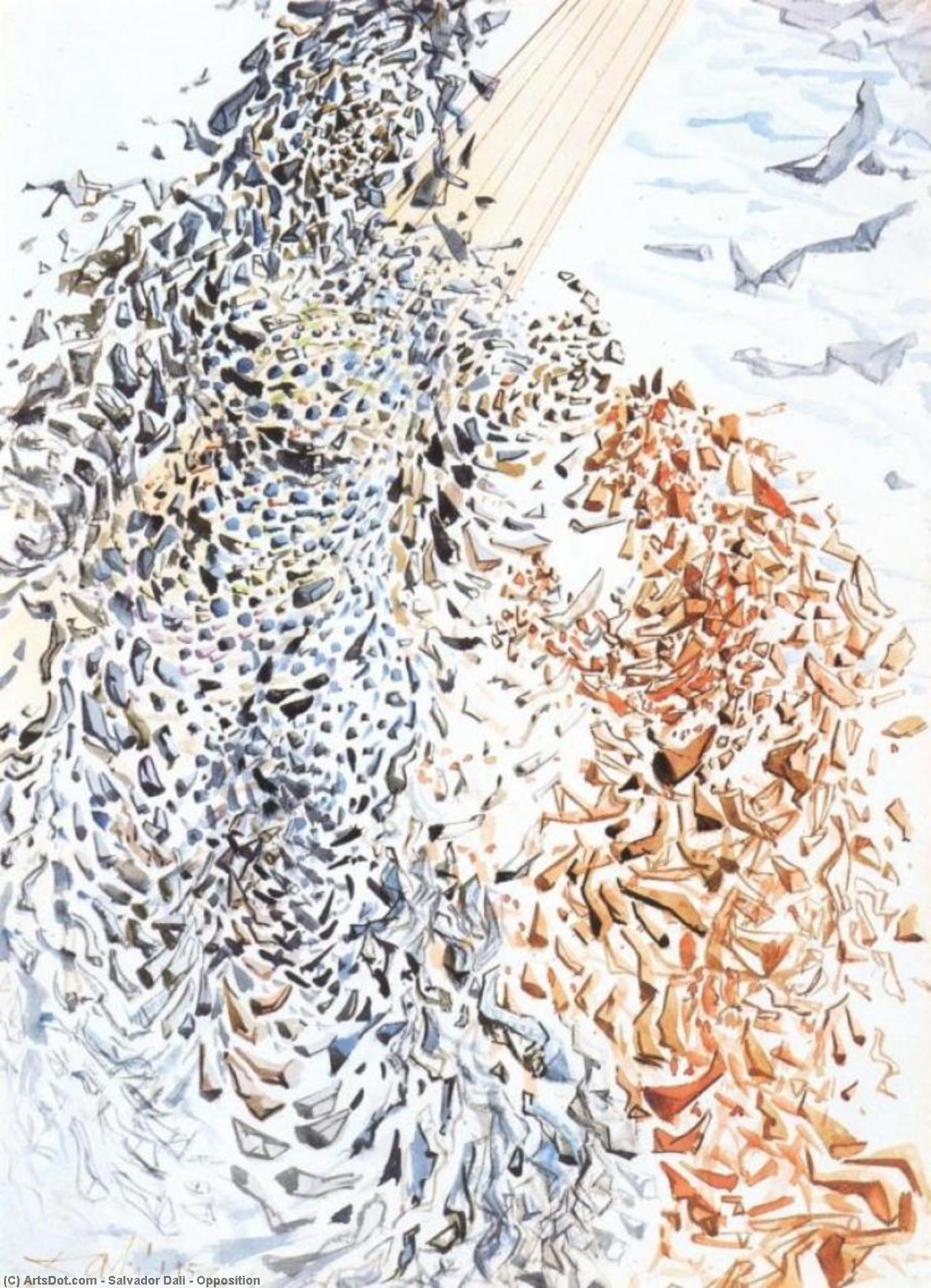
Opposition – Salvador Dali. 1952. Wikioo.
‘The test of a first-rate intelligence is the ability to hold two opposed ideas in mind at the same time and still retain the ability to function.’
F. Scott Fitzgerald
Whilst we are making an evaluation, it may be that we are faced with a contradiction; however, we do not have to choose between the two differing perspectives that make up the contradiction. Indeed, both ways of thinking may be ‘right,’ though different. This is the paradox that we need to bear in mind, for life is not just black and white, there are many shades in between.
“I think that my job is to observe people and the world, and not to judge them. I always hope to position myself away from so-called conclusions. I would like to leave everything wide open to all the possibilities in the world.”
Haruki Murakami
- Judgement and Bias

Judge – Georges Rouault. 1907. Wikioo.
Judges have their important place in court, and it is crucial that they, too, can observe without evaluating, certainly in the first stages of a case, when they need to keep an open mind, without bias. They must consider the evidence with fairness and impartiality.
It seems that there are judges in life, too…. we all judge, to some extent, but it is necessary sometimes to look at our own behaviour, to ensure that we are fair and not unduly biased through our own unresolved personal issues.
We need to ask ourselves whether we tend to jump to conclusions, make assumptions, or set ourselves above the other person in a self-righteous manner.
We need to wonder if we sometimes evaluate the other based on old, biased ways of thinking, or feel critical and see the negatives in a person before anything else.
Do we tend to make snap judgements about others because of their outward appearance/ accent/where they come from? Do we unfairly label people? Can we be honest with ourselves about all this?

Konstantin Somov. Self-portrait in the mirror. (before 1939) Wikimedia Commons.
“Being entirely honest with oneself is a good exercise.”
Sigmund Freud.
- Freeing Ourselves From Bias And Prejudice
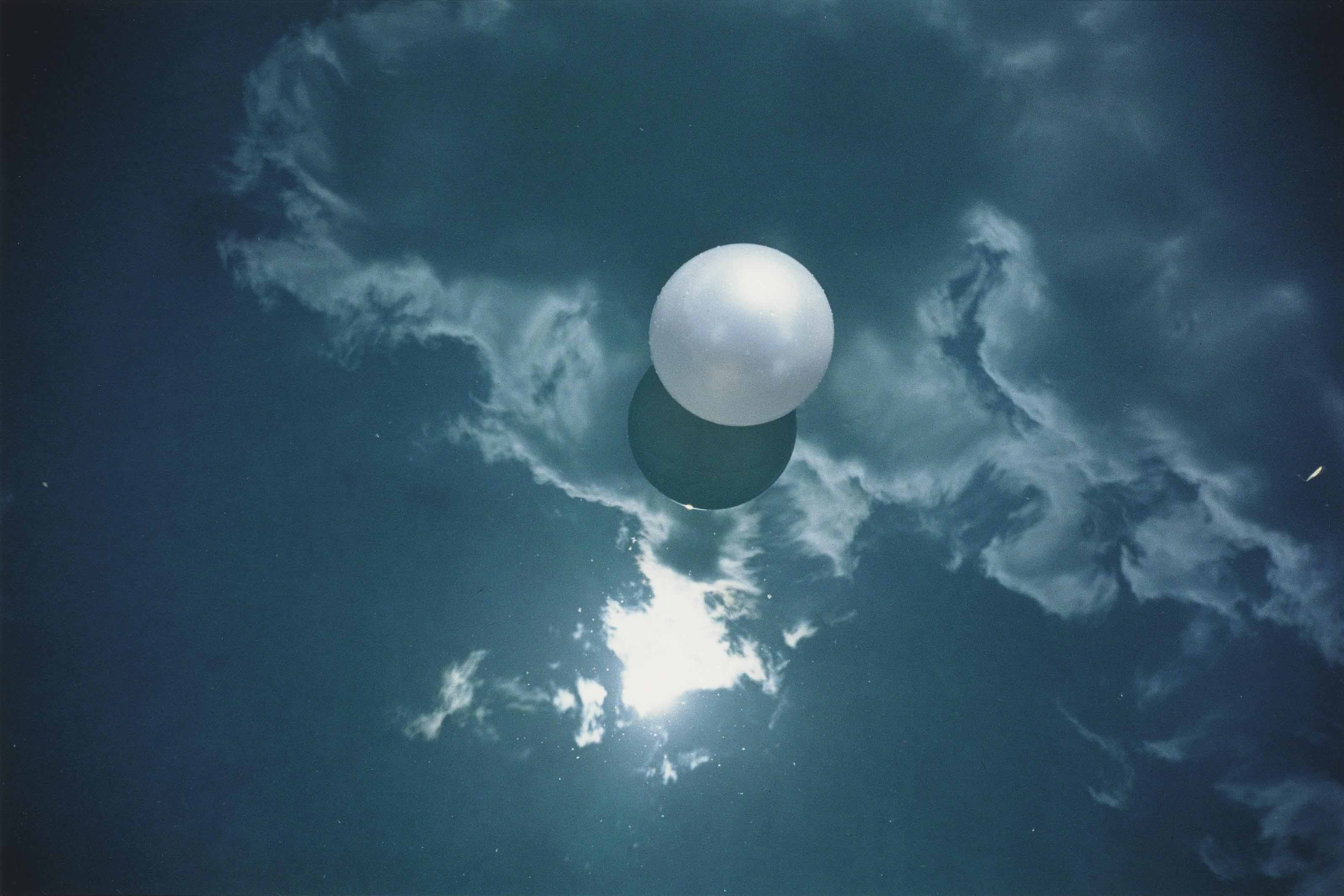 Gabriel Orozco – Ball on the Water [1994]Gandalf’s Gallery. Flickr.
“People who accomplish a great many things are people who have freed themselves from biases. These are the creative people.”
Milton H. Erickson
Orozco’s work reveals his different, accepting, thoughtful and open ways of thinking. Born in Mexico, he spent some time in Spain, where he experienced life as an immigrant.
 Refugees 1987. Zvi Malnovitzer. Wikimedia Commons
“What’s important is to be confronted deeply with another culture. And also to feel that I am the Other, not the resident. That I am the immigrant. I was displaced and in a country where the relationship with Latin America is conflicted. I came from a background that was very progressive. And then to travel to Spain and confront a very conservative society that also wanted to be very avant-garde in the 1980s, but treated me as an immigrant, was shocking. That feeling of vulnerability was really important for developing my work. I think a lot of my work has to do with that kind of exposure, to expose vulnerability and make that your strength.”
Gabriel Orozco.
So often, people create ‘otherness,’ choosing to ignore the fact that the world, truth and life in general, are just not that simple. This is about the concept of splitting, of dividing the world into ‘good’ and ‘bad.’ This defensive psychological mechanism leads to instant, thoughtless evaluation.
When people want certainties, there is a tendency to rush into premature conclusions, so they will miss seeing the whole picture. Recognising the full story brings us the satisfaction of clarity, inclusivity and increased awareness.
Keeping two opposite views in mind, or managing contradictory feelings, are difficult tasks, demanding self-awareness and balance; however, if we are able to do this, the rewards are manifold.
We will be freer from bias, able consider the whole picture, and we will be ridding ourselves of an ‘us and them’ mentality. Such thinking is surely situated at the heart of wisdom and creativity.
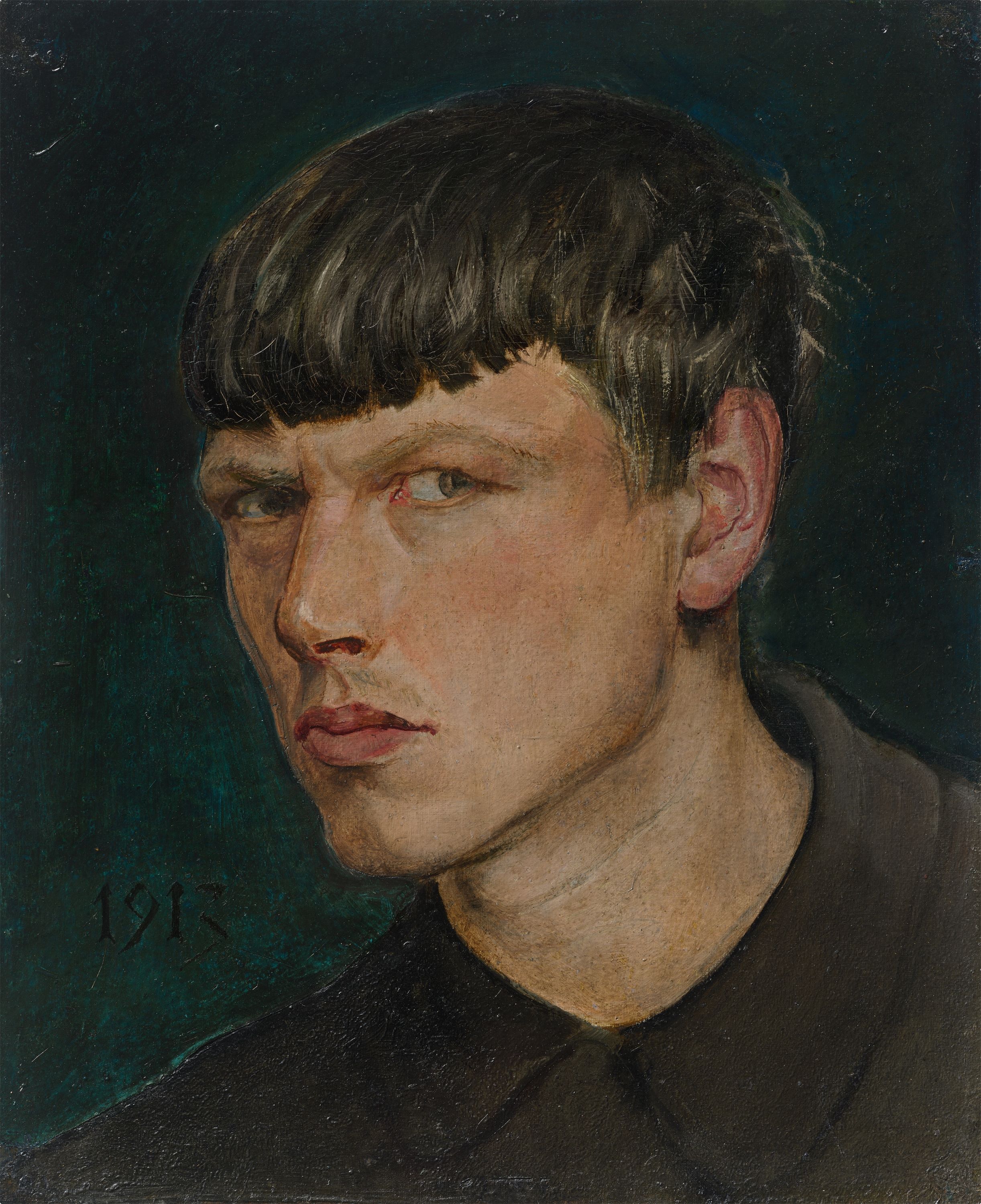
Otto Dix – Self Portrait [1913]Gandalf’s Gallery. Flickr.
“Whenever you are about to find fault with someone, ask yourself the following question: What fault of mine most nearly resembles the one I am about to criticize?”
Marcus Aurelius
I guess we might all have felt judgmental of others at times, but, equally, it is most important to become aware of ourselves and the workings of our internal world.
We need to examine our feelings, thoughts, preconceptions and biases if we wish to be able to perceive a situation with fairness and good judgement and eliminate rigid, limiting and self-defeating attitudes.
What is important to explore is our prejudices and biases; often we may dislike a quality in another that we do not care to admit to in ourselves.
- Observing Without Evaluating in Therapy

Sebastian Bieniek. Face 80×60 No. 6, 2015.Wikimedia Common
“Everything that irritates us about others can lead us to an understanding of ourselves.”
Carl Jung
We need to keep in mind Jung’s wise words, in the quotation above. These encourage us to gain more self-knowledge, so that we might challenge aspects of ourselves, rather than judging others for what we deny in ourselves.
It is a very high priority for the therapist to be able to do this, especially in couple therapy, where each partner may have an equally plausible and convincing story to tell.
Couple therapy involves the therapist constantly observing without evaluating, keeping two opposite, contradictory views in mind at the same time. This is a difficult task; however, if we are able to do this, the rewards are manifold, in life and in therapy. Such thinking is surely situated at the heart of any therapeutic endeavour.
‘Observing‘ in therapy means being able to be there for the client/s without judgement; it means listening and attending to language and symbol, both overt and covert. It is related to allowing our therapist selves to feel into what is happening in the room, silently, perhaps in a state of reverie.
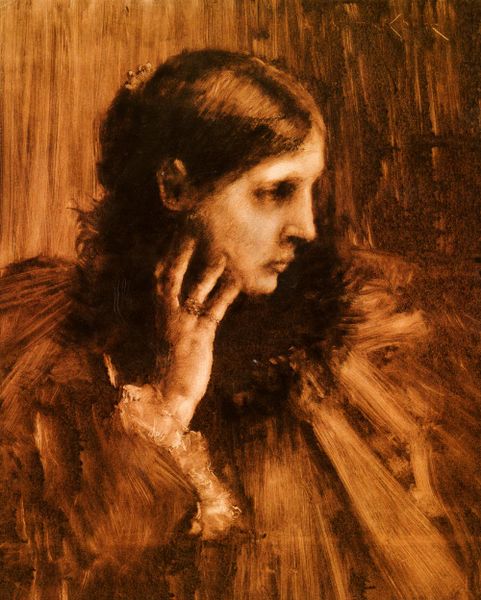
William Merritt Chase. Reverie. 1890. Wikimedia Commons
“When we keep our silence we gather our power; when we speak we let loose the concentration of quiet reverie.”
Bryant McGill
This is not about the therapist’s inattentiveness or distraction. On the contrary, it is a little like an empathic and reflective ‘playing’ with the material the client brings, within the therapist’s mind.
This can be highly productive, in that it allows the therapist to experience the whole picture, to stay with uncertainty, and not to have to ‘know,’ or provide quick-fix answers and solutions.
Furthermore, it means that, in couple therapy, there will be an understanding that marital breakdown is about two people; it is an interaction. Even though it might appear as if one partner is ‘at fault,’ that partner is always unconsciously expressing something for the other.
“We marry our unfinished business.
Lori Gottlieb
Without our conscious awareness, we select a partner whom we hope might complete us, who might be able to help us find parts of ourselves long hidden in the depths of our unconscious mind.
With an observing, analytical eye, and an informed and thoughtful evaluation, it is usual for the therapist to detect and uncover considerable similarity of experience in both partners’ pasts, even though their surface presentation might look quite different.
 Bernard Fleetwood-Walker – Amity [1933]
“Love is the longing for the half of ourselves we have lost.”
Milan Kundera
The above quotation helps us focus on the role of our unconscious mind in partner choice; it is, truly astonishing how, at a deep level, we know what we need to help and heal ourselves. We unconsciously choose loving partners who can complement and complete us.
Our partner selection process will inevitably be heavily influenced by our past relationships with parents or caregivers. We all have unmet needs from childhood, powerful bonds that link us to past figures in our life and that keep us fixed in old patterns and ways of relating to others.
We are attracted to another because we unconsciously share some of the same unresolved issues and are stuck at a similar point in terms of emotional development.

Édouard Manet, Chez le Père Lathuille, 1879. Wikimedia Commons.
“Tell me whom you love and I will tell you who you are.”
Houssaye
Being helped by the therapist to see the self in the other, can potentially be part of a bonding process. Rather than judging ourselves and the other person, we may empathise with them and feel closer, since we can identify with their feelings.
Being free of judgement is a liberating experience. This is because, if we do not judge others, we will not be so hard on ourselves. Instead of condemning the other person for their differences, maybe we can accept that difference can be creative and positive.
Acknowledging our own inner ‘demons’ also means that, when observing another’s behaviour that we recognise in ourselves, we will not rush to condemn. We can be more tolerant of others, observing them without scrutinising or judging.
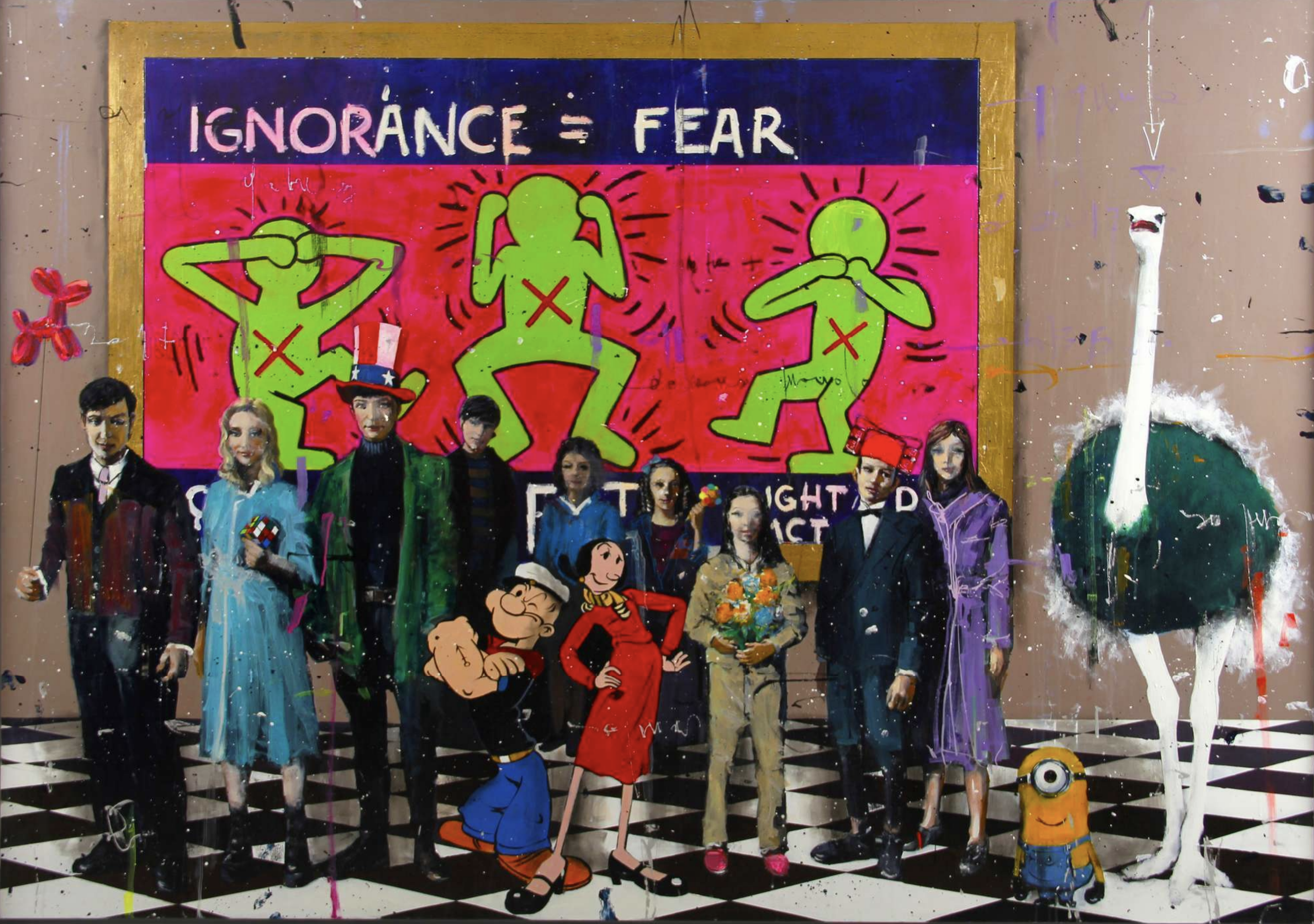 Angelo Accardi – Blend [2017] Gandalf’s Gallery. Flickr.
“We are all different. Don’t judge, understand instead.”
Roy T. Bennett
By not judging, we allow ourselves to be interested in those around us, without shutting them out because their views/beliefs/appearance/ethnicity/gender identity do not accord with our own way of being and way of seeing.
Without such judgement, we will begin to grow, intellectually, personally and emotionally, as we discover what makes others tick.
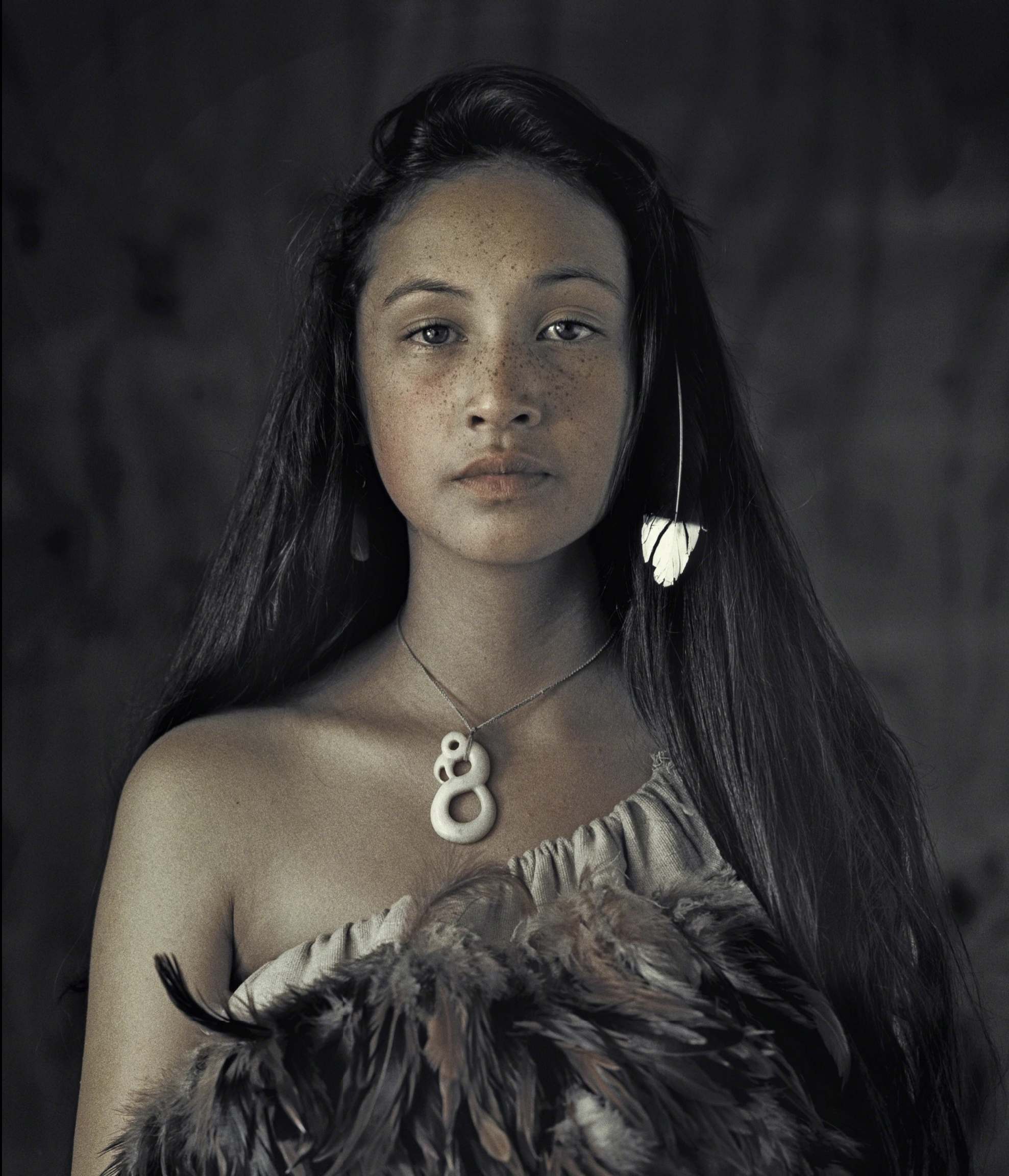
Jimmy Nelson – Rauwhiri Winitana Paki, Taupo Village, North Island New Zealand [2011]
“Every time I judge someone else, I reveal an unhealed part of myself.”
Anonymous
The wisdom shines out of this quotation, as it does in the portrait of the woman above it. Such people know secrets. The secret here is that, if we constantly evaluate others and the world in a hasty way, we are showing that we have something to hide, something unresolved inside….
” People hasten to judge in order not to be judged themselves.”
Albert Camus
Can we learn to merely observe the world around us and the people in it, free of assumptions and foregone conclusions, fixed ways of thinking and stereotypical responses? If we succeed in doing this, then we will discover the joys of welcoming and embracing difference.
Seeing things from both sides is wise and it is gracious. Understanding the whole picture is realistic and helpful to everyone.
It is also grace-full not to judge another person and to remember that we are all imperfect.
“Shame says that because I am flawed, I am unacceptable. Grace says that though I am flawed, I am cherished.”
Michelle Graham
It is when we are peaceful enough with ourselves and have learnt to observe others without judgement or criticism, that we may perceive the pain that can lie beneath an outward appearance and hear the untold stories that a judgmental stance would inhibit.
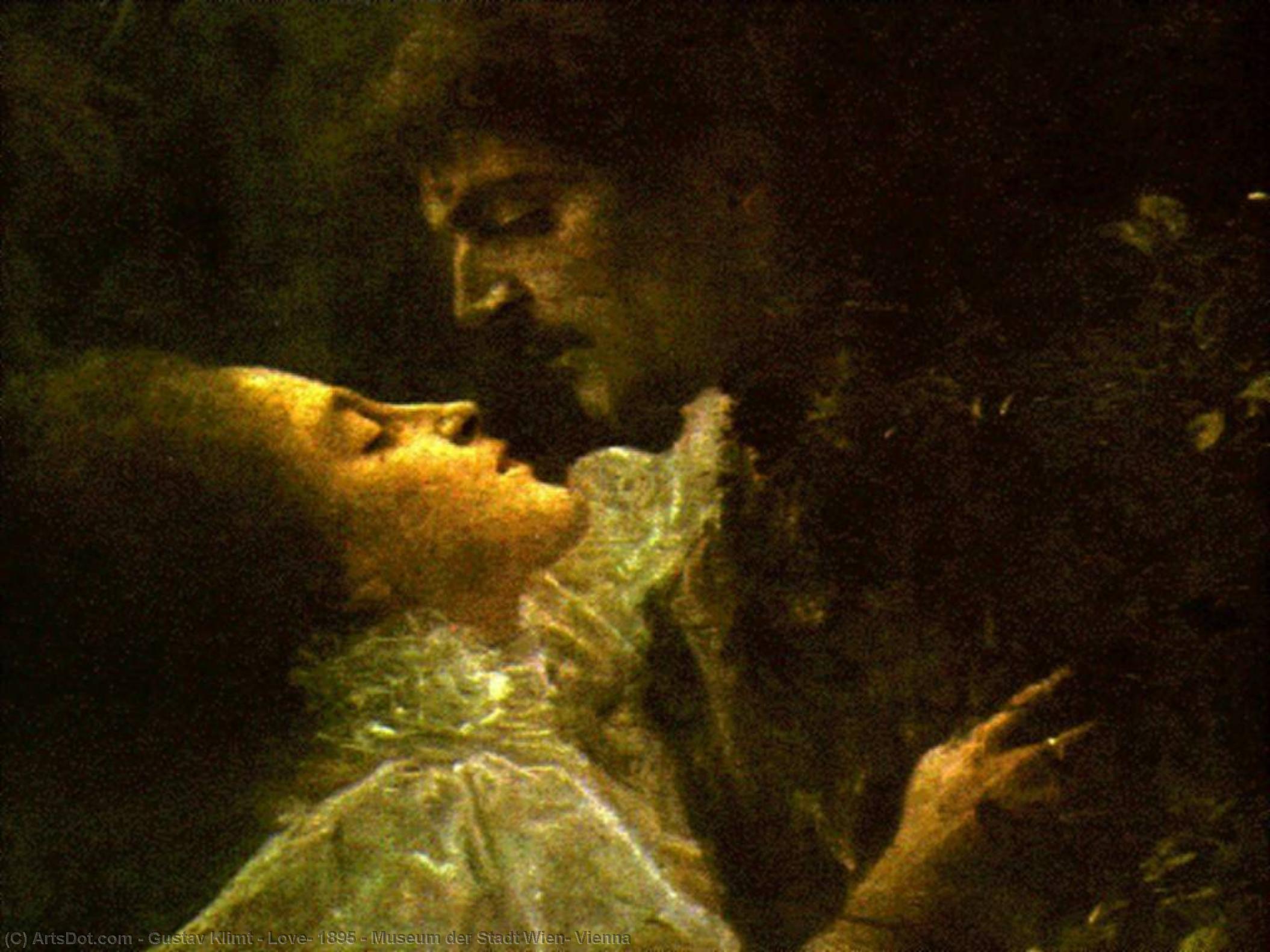 Love, 1895 -Gustav Klimt. Wikioo
“Judging others makes us blind, whereas love is illuminating. By judging others we blind ourselves to our own evil and to the grace which others are just as entitled to as we are.”
Dietrich Bonhoeffer
© Linda Berman.
 waysofthinking.co.uk
Reblogged this on penwithlit and commented:
Very interesting and this makes me ponder how even in the act of perception there might be unconscious bias , It makes me wonder to what extent by advocating a non-judgemental approach it is attainable in everyday situations. Maybe only approximately.
LikeLiked by 1 person
Yes I agree with you, @penwithlit. We need much self-awareness to manage this and even then there may be ucs bias. Thank you for your comment and the reblog. They’re always appreciated!
LikeLike
I’d like to add a maxim from the world of statistic to your wonderful first two quotes – Box’s Aphorism “All models are wrong, but some are useful”. I find this quite liberating when explaining (justifying?) my choice to be an integrative counsellor. I also find it helpful when explaining the difference between a psychologist and a counsellor – psychologists are scientists whose models are statistically valid when applied to a sufficiently large sample, whereas counsellors, however much they chose or don’t chose to be informed by psychological models, happily engage with the irreducible complexity of the individual in front of them.
LikeLike
Hi Francis, Thanks for your interesting thoughts- I’m glad you liked my quotes! I guess there are many different styles of being a counsellor and a psychologist. The importance, as you say, of engaging with a client, whatever the approach, cannot be overestimated.
LikeLiked by 1 person