
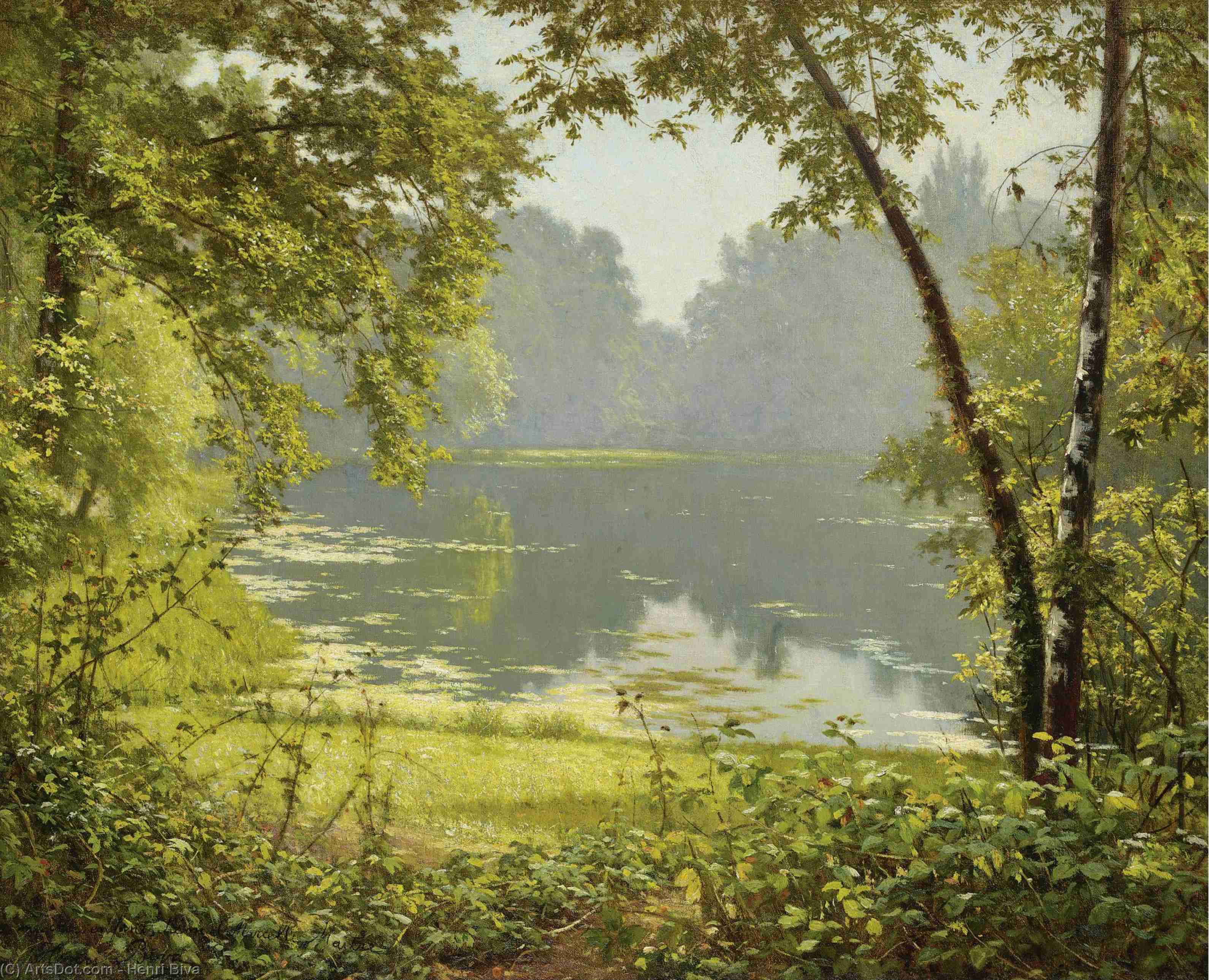
 Tranquility – Henri Biva.(1848-1929)Wikioo
“What is first seen as a loss is now seen as a gain. For he finds solitude, not in far off, quiet places; he creates it out of himself, spreads it around him, wherever he may be, because he loves it and slowly he ripens in this tranquility. For the inner process is beginning to unfold, stillness is extraordinarily important.”
Janwillem van de Wetering
What is the power of stillness?
Being still can bring us calm, peace, and it can have a de-stressing effect on us. The above quotation reminds us that stillness can be created inside of us, no matter how noisy is the outside world.
In making ourselves still, paying attention, remaining focussed and centred, we can begin to search for inner peace.
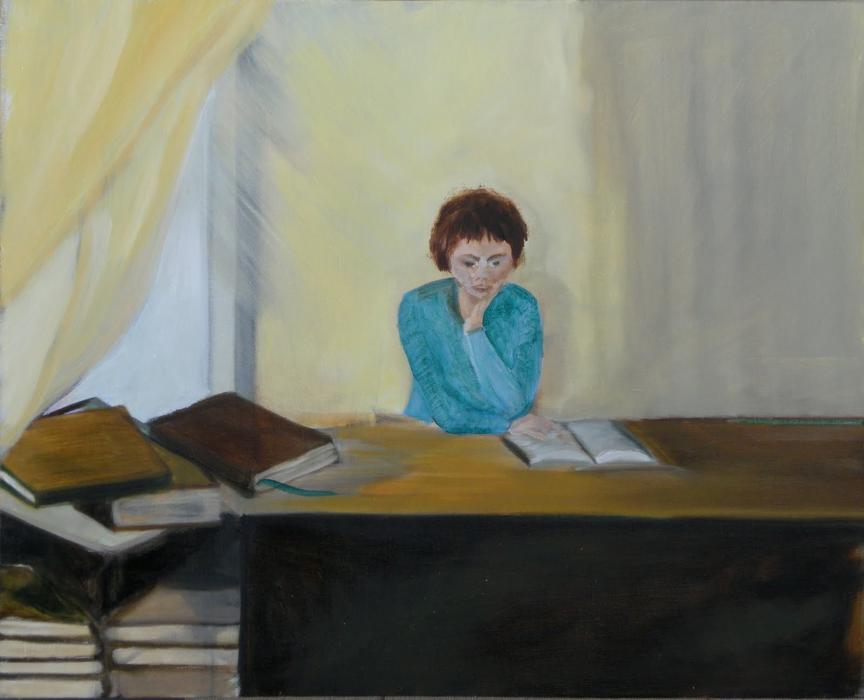 The Radiance of Attention – Luc Tuymans. Wikioo.
In this frenetic and troubled world, we need sometimes to be still and to make space to face uncertainties. It is important to decelerate our thinking, allowing for reflection and the stillness of a meditative journey into the deeper reaches of ourselves.
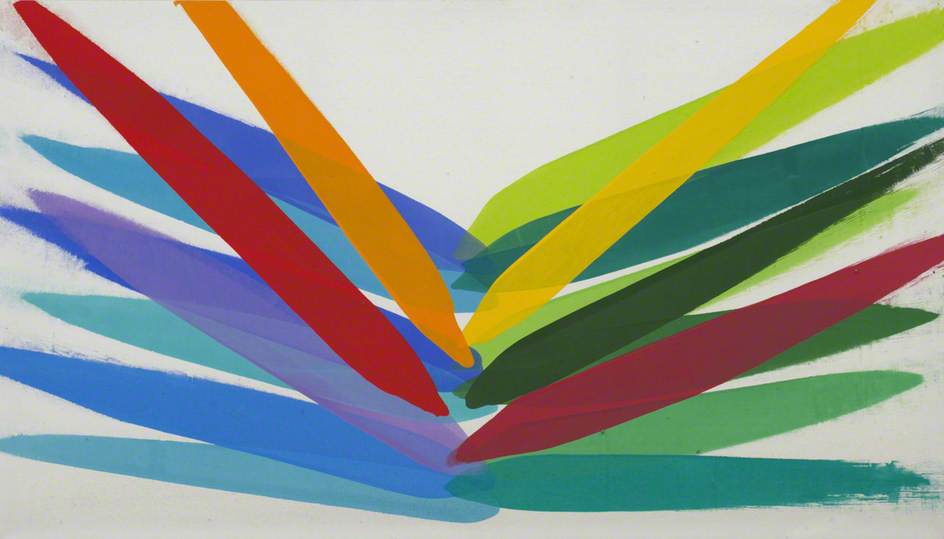
Radiance II – John Copnall. 1994. Wikioo.
“Learning how to be still, to really be still and let life happen—that stillness becomes a radiance.”
Morgan Freeman
Having the ability to just ‘be’ in the midst of busy-ness and activity can be essential to our health and wellbeing. Achieving such stillness can mean that we are enabled to spread our peace, calm and the wisdom we gain from this, to others.
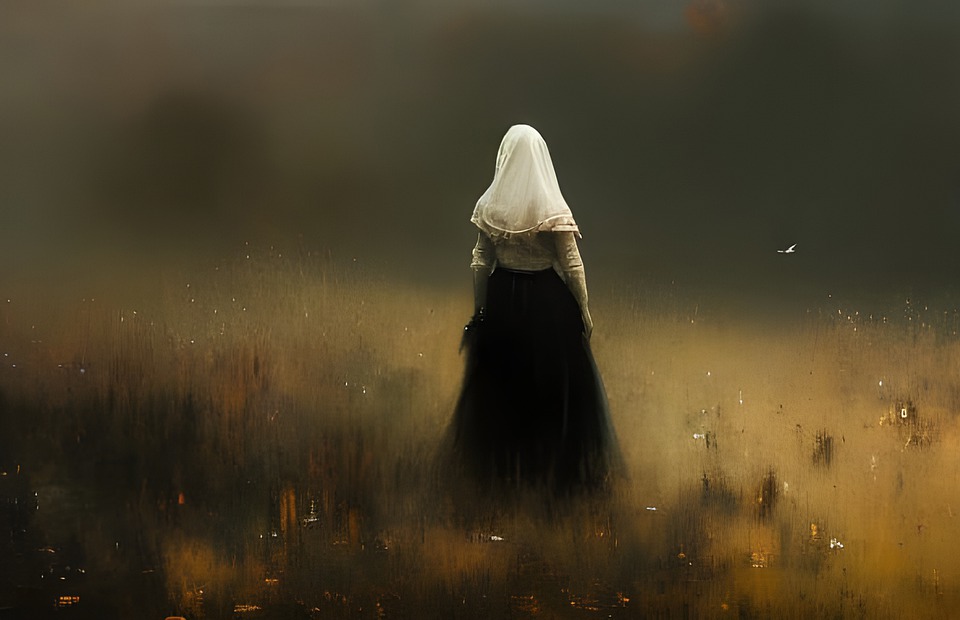
“Be still. Stillness reveals the secrets of eternity”
Lao Tzu.
How can stillness reveal deep ‘secrets of eternity?’ There may be many ways of interpreting this phrase; again it can mean that stillness enables us to look inside ourselves, to discover deep truths about self and other.
Although we are still, we are also on a moving journey of self-discovery, one on which we will hope to get to know ourselves; it is a journey we make when stilling our minds, a travelling inwards into wisdom and authenticity. It requires that we be aware of the’ now,’ so that we neither become stuck in the past, nor engage in fantasies about tomorrow.
Living for the present, for this moment, is not always easy. However, it is definitely a good way of thinking in terms of managing our life.
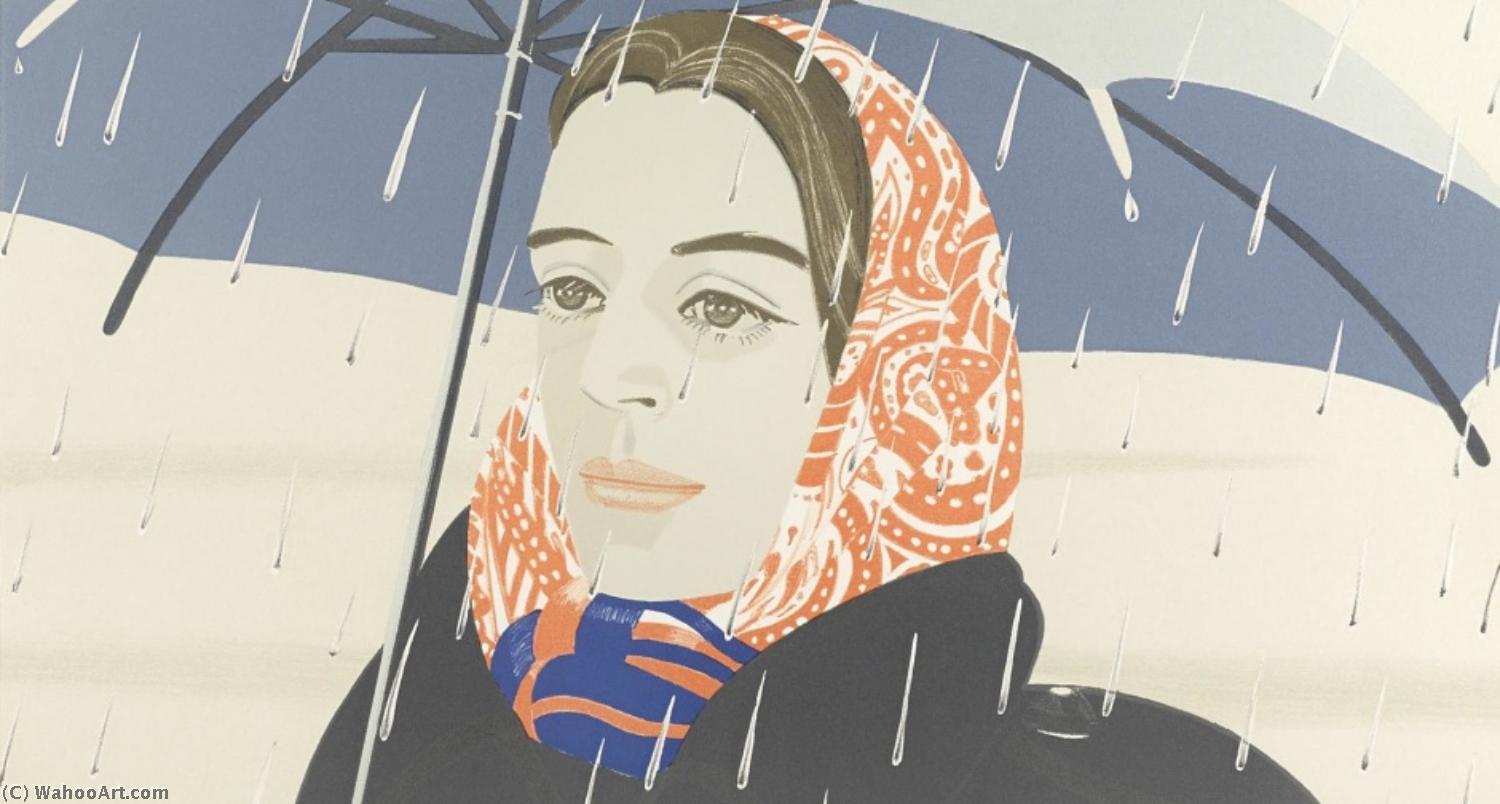 The perfect moment – Alex Katz. Wikioo
“The ability to be in the present moment is a major component of mental wellness.”
Abraham Maslow
The past is gone, the future is unknown, we only have today and this moment. Embracing stillness helps us to connect with the now, with the present moment; it is empowering to understand that this moment is all we have and that we need to use it and appreciate it to the full.
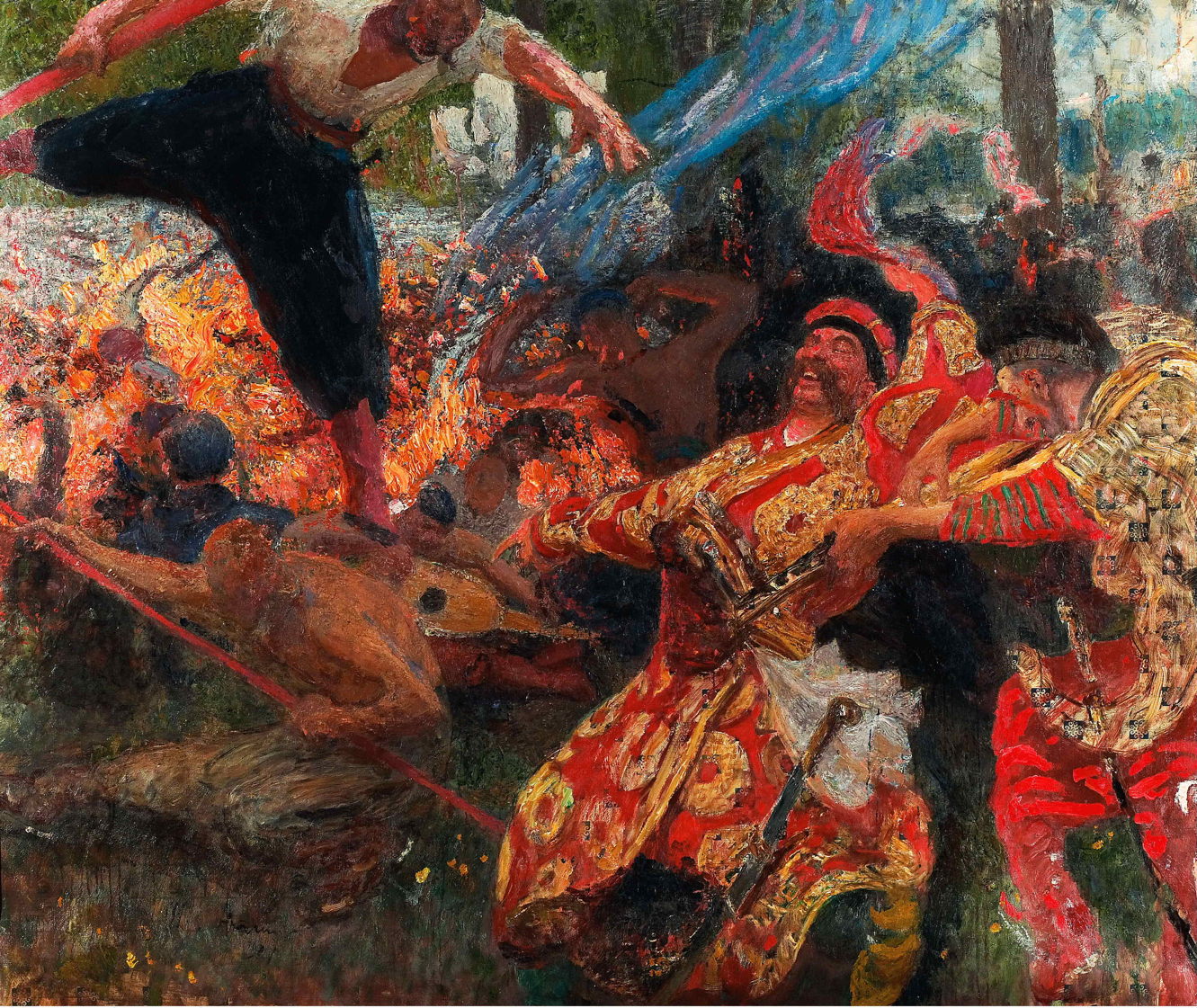 Ilia Repin (1844–1930), Hopak (1927) Wikimedia Commons.
“So the darkness shall be the light, and the stillness the dancing.”
T. S. Eliot
There are, however, paradoxes inherent in the concept of stillness. Eliot wisely describes the paradoxes of darkness and light and stillness and movement, in this case, dancing, which is usually joyful.
The painting above illustrates the paradox of stillness in many ways; it portrays action and movement, yet it is absolutely still.
Eliot refers to the paradox of dancing coming out of stillness, for if we can be truly still, we will ultimately begin to find our real selves, which is an exciting and transformational experience.
In our current troubled world, with poverty, wars, inequalities and prejudice all around, perhaps we can also be still for the moment and try to appreciate what we do have in our lives that is good. There is much around us that has beauty in it.
From common everyday experiences, we can discover the very special. In order to do so, we need to take time to still our minds, to smell the roses, and to stand and stare. We need to use our wisdom to the full, making space to look, absorbing what is around us.
How often are we still enough to discover the intricate and miraculous workings of nature? Can we find a few moments to ‘stop and smell the roses?’
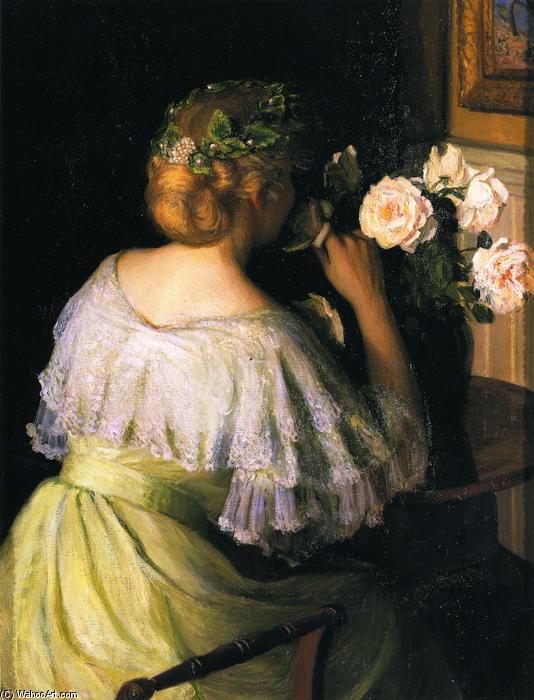
‘Roses (also known as The Scent of Roses)’ – Lilla Cabot Perry. (1848-1932. Wikioo.
If we literally ‘smell the roses’ we have to slow down, stop to take in their unique and sweet scent. It is the stopping that is important. Metaphorically, we may see this phrase as referring to our need to relax, take time out, appreciate our surroundings, relish the moments we have to fully enjoy our life.
If we are able to take this time out from the busy-ness of our daily lives, and think more deeply about nature’s wonders, then we might discern subtle, harmonious and marvellous patterns across species, and see such patterns reflected across our world.
If we do this, then we will come to discover how the whole of the world is connected, forming a harmonious whole, an intricate network, and how we are very much a part of this universal and natural system.
In the words of Pico Iyer, in his fascinating book The Art of Stillness: Adventures in Going Nowhere:
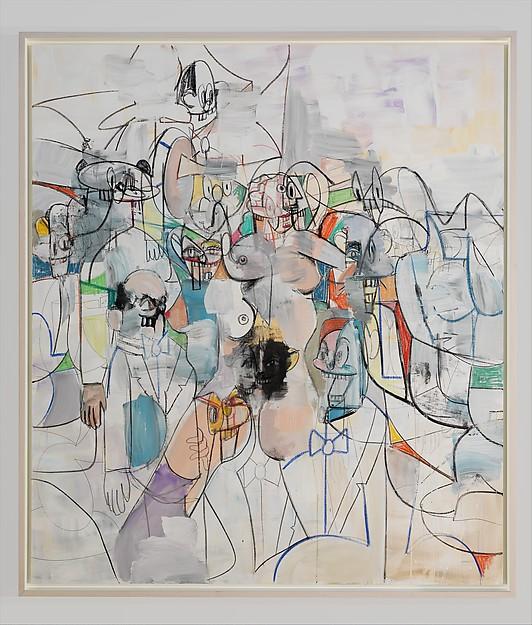
Rush Hour – George Condo. 2010. Wikioo.
‘In an age of speed, I began to think, nothing could be more invigorating than going slow.
In an age of distraction, nothing can feel more luxurious than paying attention.
And in an age of constant movement nothing is more urgent than sitting still.’
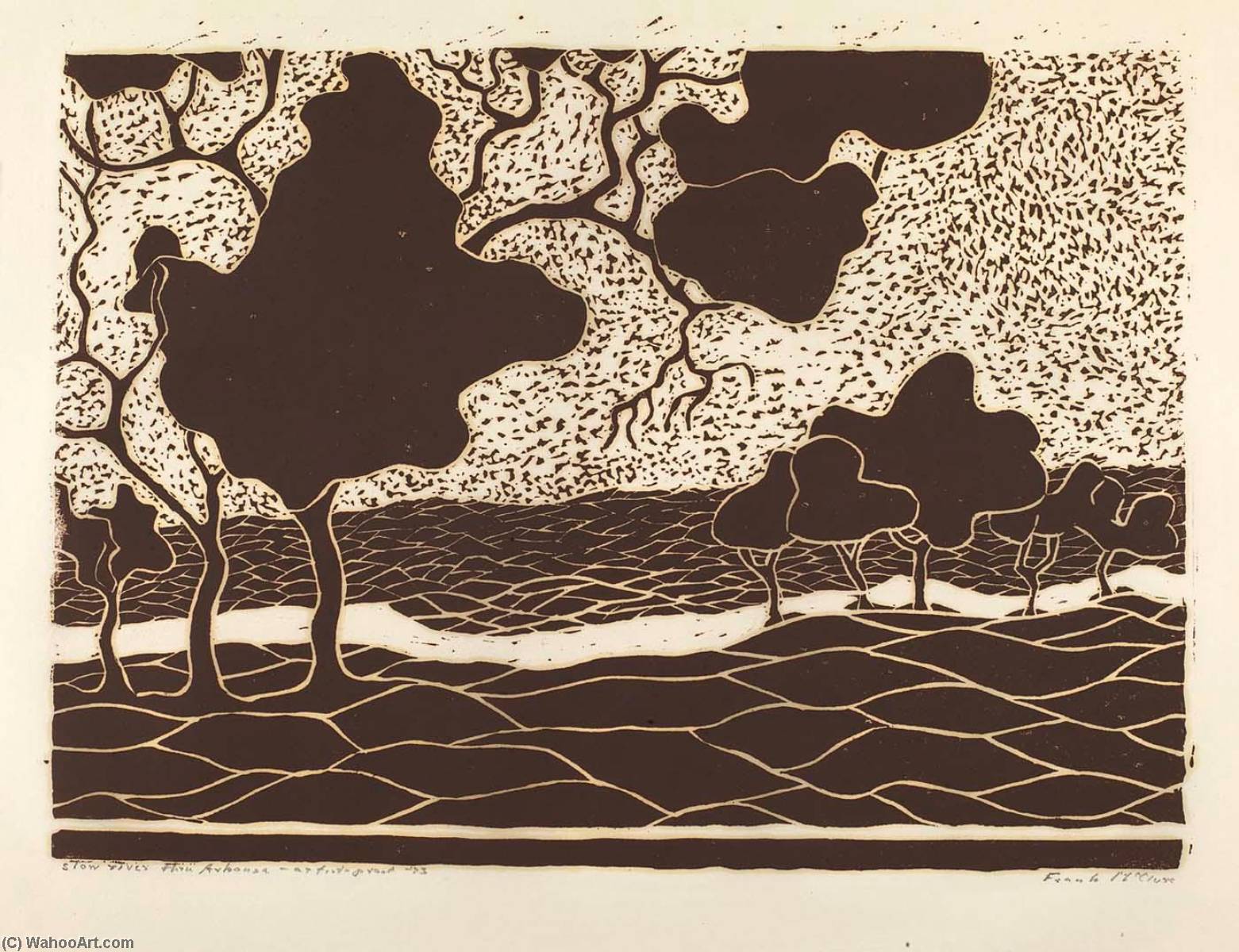 Slow River thru Arkansas – (Frank Mcclure)
“Mindset is everything. Like the eye of a storm -find the sunshine and calm within you, even if there is chaos outside of you.”
Brittany Burgunder
- Stillness and creativity
“It’s only by going nowhere—by sitting still or allowing my mind to relax—that I find that the thoughts that come to me unbidden are far fresher and more imaginative than the ones I consciously seek out.”
Pico Iyer
The idea of slowing down our thinking holds true for most creative endeavours. Quietness, stillness and having space to think, differently and imaginatively, are crucial.
Depending on our inner attitude to life and the world around us, doing nothing but being still and peaceful can often give us an opportunity to find solutions to problems and be at our most creative. It is perhaps important to alter our approach to the idea of doing nothing, and not see this as necessarily wasting time. We need to take time to ‘be’ who we are.
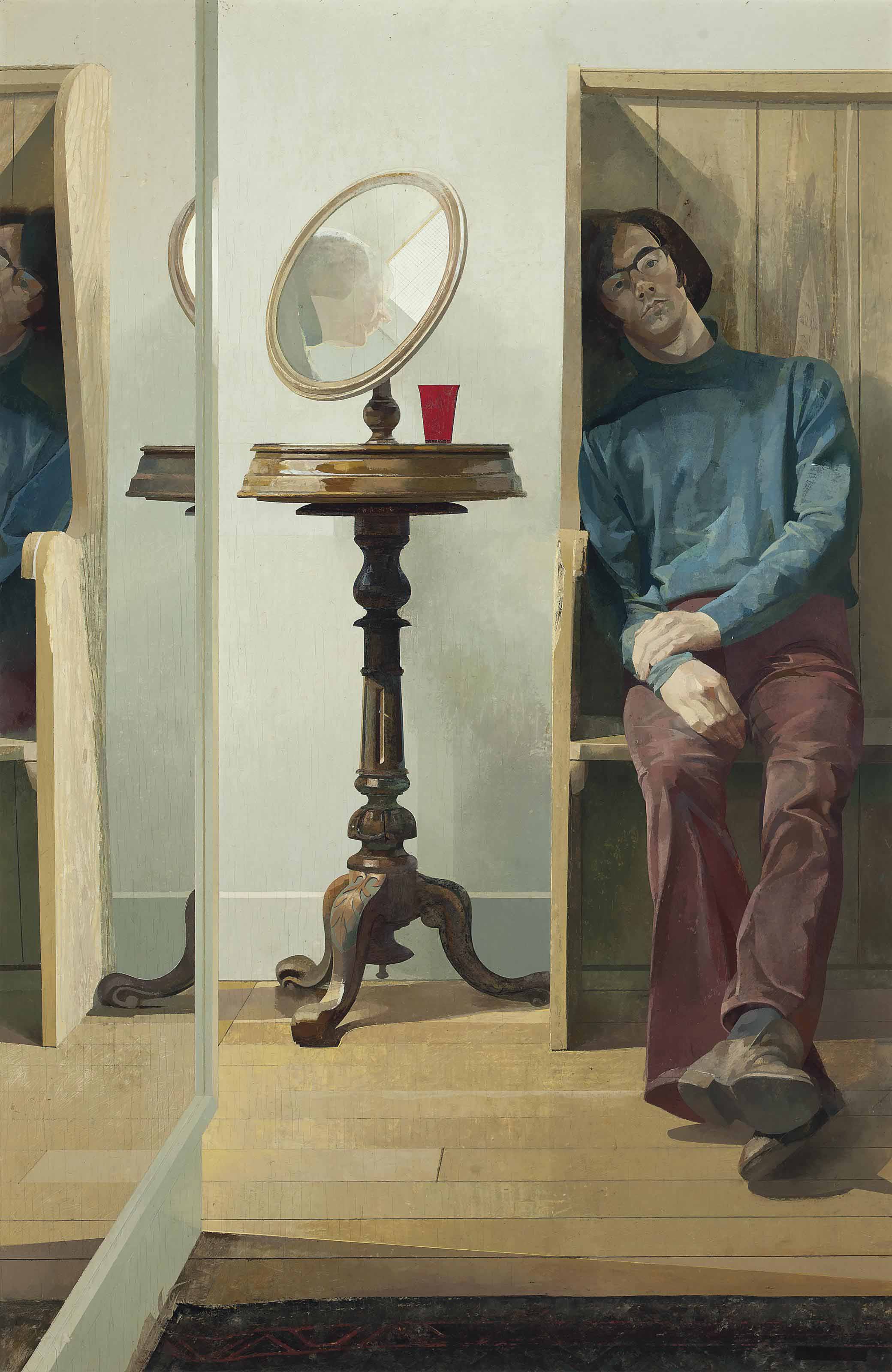 Norman Blamey – Reflections. Gandalf’s Gallery. Flickr.
“Creativity is the residue of time wasted.”
Albert Einstein
Stopping activity for a while allows us an opportunity to open the mind, allowing confusion and doubts to simply be, free of conceptual constraints. Sometimes, activity can be a defence against having to think and feel. Rushing around does not give us space or time to look inside ourselves.
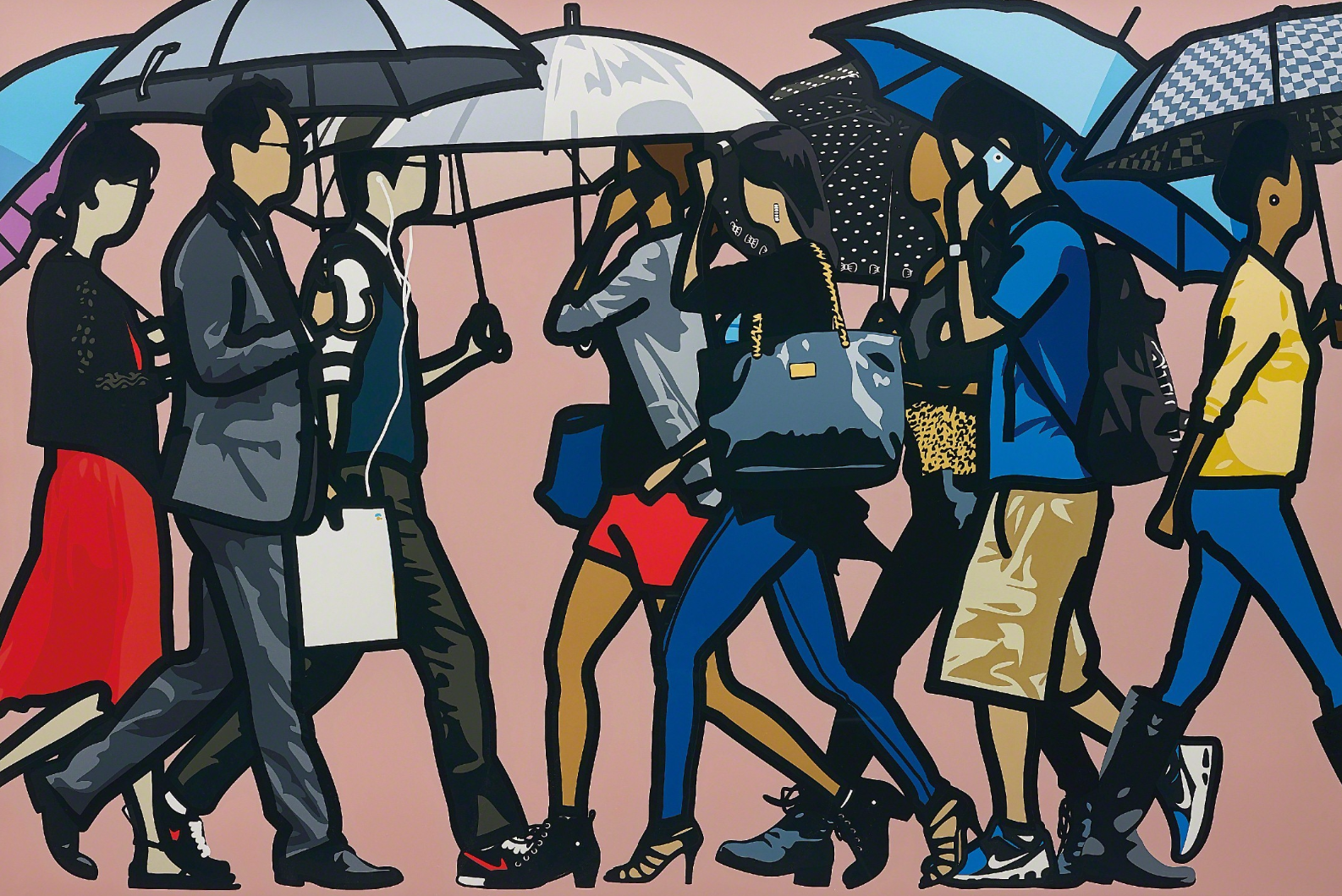 Julian Opie – Walking in the Rain, Seoul [2015]Gandalf’s Gallery. Flickr.
- Stillness in the midst of chaos
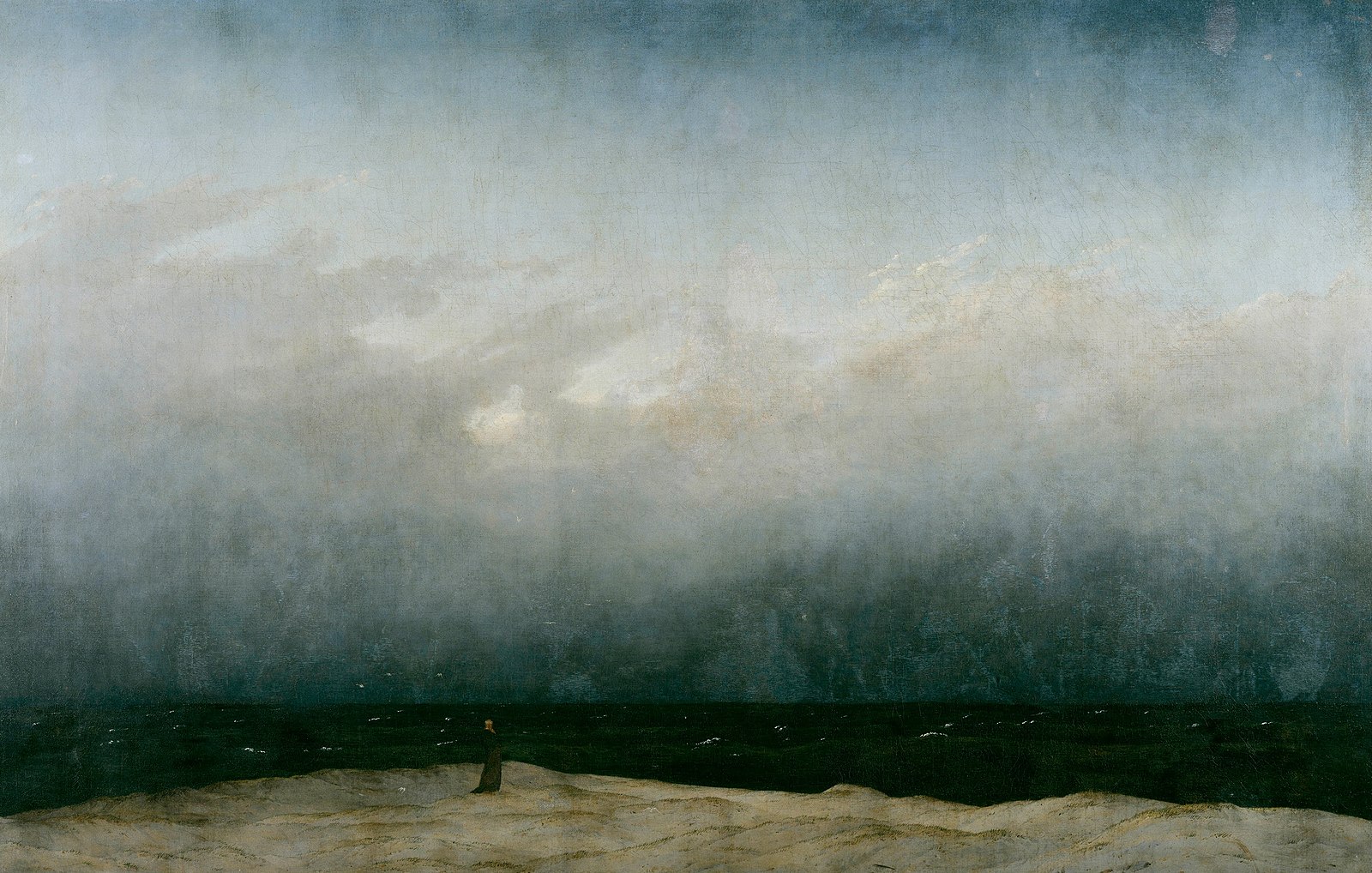
Caspar David Friedrich. The Monk by the Sea.1808-10. Wikimedia Commons
“Mindset is everything. Like the eye of a storm -find the sunshine and calm within you, even if there is chaos outside of you.”
Brittany Burgunder
The world may be full of movement and chaos, but we can be still inside. Being in a rush all the time is reflective of our contemporary culture. Perhaps we have lost some of the ability to spend time looking deeply into life, rather than quickly surfing the internet.
In order to accommodate our busy-ness, there is fast food, fast broadband, superfast broadband, fast-track, fast lane, quick-fix, speed-dial, high-speed, speed-addiction, speed-reading, multi-tasking and so on.
Never mind taking time to smell roses, often we barely stop to take a breath.
Of course, sometimes we need to work quickly, keep deadlines, meet targets. Yet we also need to make more time, time to think, to reflect, to be creative. With all the pressure of modern technology and the general speed of contemporary life, finding such reflection time might prove difficult.
The ‘sensory overload’ resulting from all this technology, the visual and auditory bombardment and distraction from all sides, mean that we have scant opportunity to attain ‘the peace of solitude.’(Storr, Solitude, 1998)
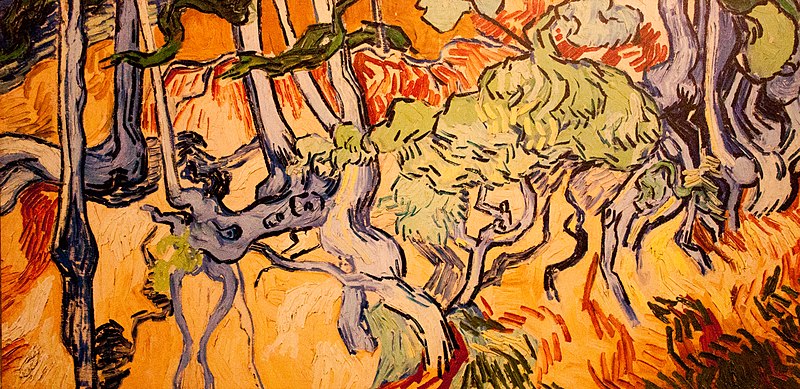 Tree Roots and Trunks. – My Dream. Van Gogh. 1890. Wikimedia Commons
“Look at a tree, a plant. How still they are, how deeply rooted in being. Allow nature to teach you stillness.”
- Stillness in therapy
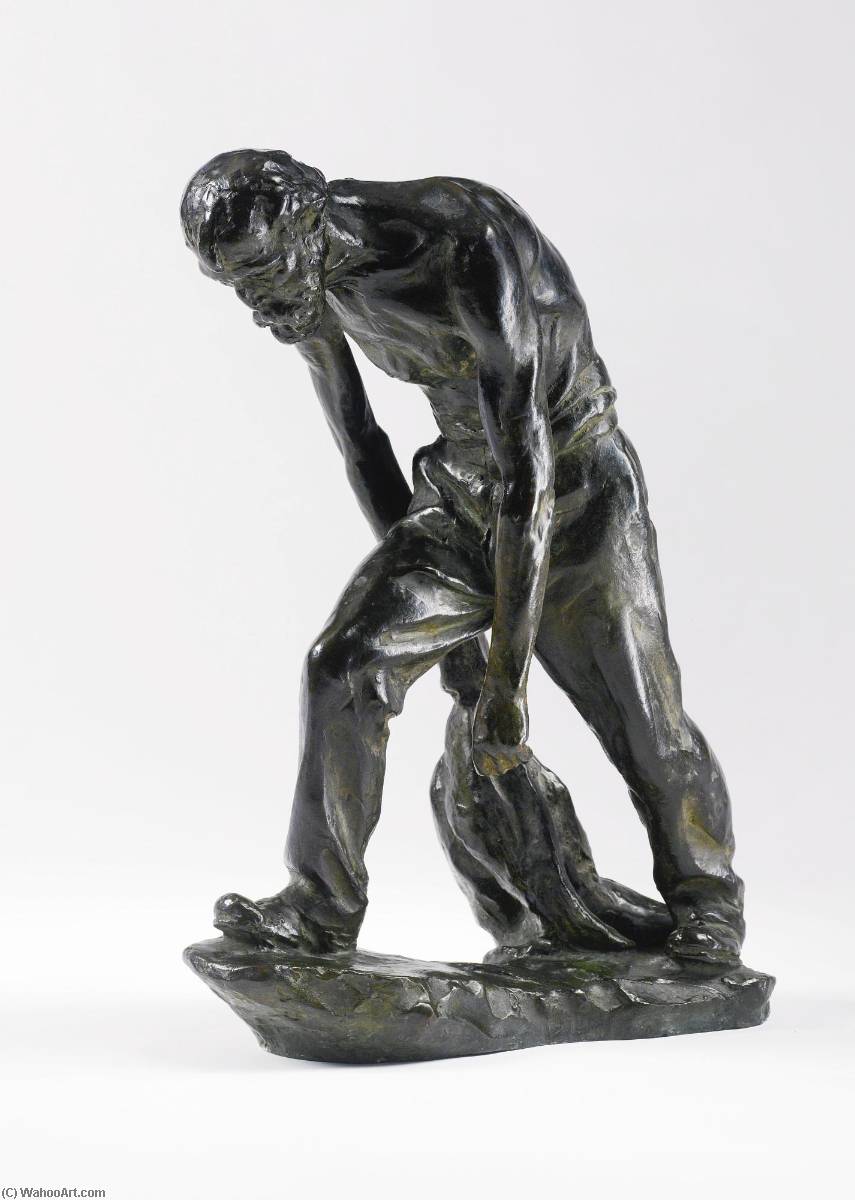 The Discard. c 1926. – Max Kalish. Wikioo.
“Stand still, and allow the deadly restlessness of our tragic age to fall away like the worn-out, dusty cloak that it is.”
Catherine Doherty
“When one is still and listens, one begins to be in touch with a mysterious element that is within each of us, which can transform and shape us and can help to transform the world.”
William Segal
Le Bouddha (The Buddha) – Odilon Redon. Wikioo
“Stillness is the foundation of understanding and insight.”
Thich Nhat Hanh
People are often inherently stronger than we could possibly imagine. We are born with truly amazing resources and we need to learn to trust and fortify these in ourselves and others, as we learn to cope, perhaps in therapy, with our broken selves in a broken world.
Some of the above quotations refer to our internal landscape, a part of us that some may be unaware of, but which influences us at every moment of our lives.
Focussing our attention towards our inner world, as happens in therapy, sometimes involves being still and waiting for something that has previously been deeply hidden in the unconscious to arise from our inner world.
“In the stillness, intuition speaks.”
Kim Chestney
Within our minds, we all have an internal landscape, a vast and complex inner world of our creation, both conscious and unconscious, a blend of many aspects, including memories, dreams, beliefs, imaginings, experiences, fears, thoughts and feelings.
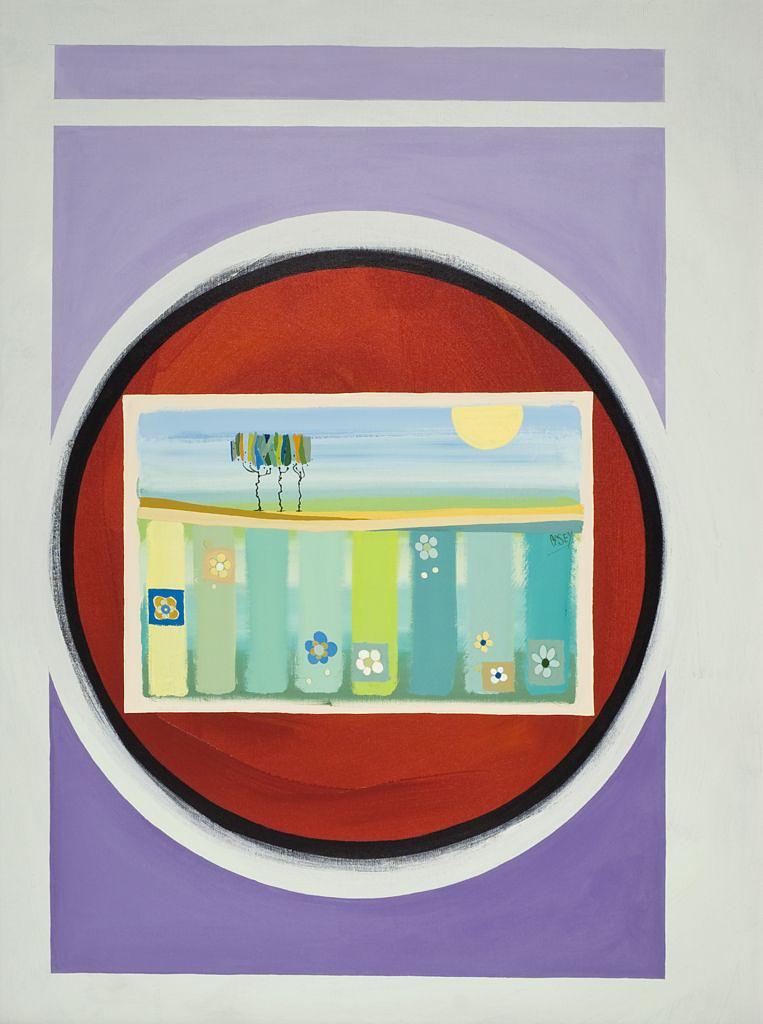
Inner Landscape. Bernie Casey. 1970. Wikioo.
“This inner world is truly infinite, in no way poorer than the outer one. Man lives in two worlds.”
Jung.
In therapy there is an opportunity to escape external pressures and societal demands to perform. We will be helped to stop filling silences with empty words, just for the sake of it. There is a chance to slow the pace, to stay with feelings….. and to pause.
In pausing, in this stillness, we can more easily notice what is happening within us and outside of us, and get in touch with feelings and bodily sensations, without the need to rush into superficial activity or easy formulaic responses.
Although there are time limits to the session, there are generally further sessions; there should be no pressure to hurry through the process of therapy. Both therapist and client can have the space, and the stillness, in the peace of the therapy room, to allow ‘not knowing,’ without rushing into quick, thoughtless or empty words.
Not knowing also allows the therapist to be fully there for the client, a quiet, strong and reflective presence, listening and attending to the client’s needs, rather than to their own theoretical formulations. The task of listening itself requires us to be still, and to focus our attention both on self and other.
Through pausing in therapy, both therapist and client can wait, for something to emerge from the unconscious that is more than a superficial statement or response. The therapist’s empathy and awareness allow the client to be fully heard, in the quiet stillness of a peaceful, boundaried setting.
How often does one experience such stillness, and such calm and authentic support?
This blog is totally non profit-making. As a retired psychotherapist with over 30 years experience, I write both for my own self-expression and to help others.
If you have liked this post, I would much appreciate you showing support to me by becoming a follower of waysofthinking.co.uk
Thank you.
© Linda Berman.
 waysofthinking.co.uk
I’m not sitting beside a still pond, nor a soft meadow, nor or on a sleepy shore. Who needs such stillness when Linda has just dropped her Sunday morning bomb (No, no, no I meant balm). Thanks for this week’s edifying post, Linda. Another winner to go with my lemon tea.
LikeLiked by 1 person
Thank you Bob! I hope reading my post enhances your lemon tea and gives you an extra sense of calm. Happy Sunday!
LikeLike