5+ Startling Quotations To Help You Understand Evil. By Dr Linda Berman
Quote 1
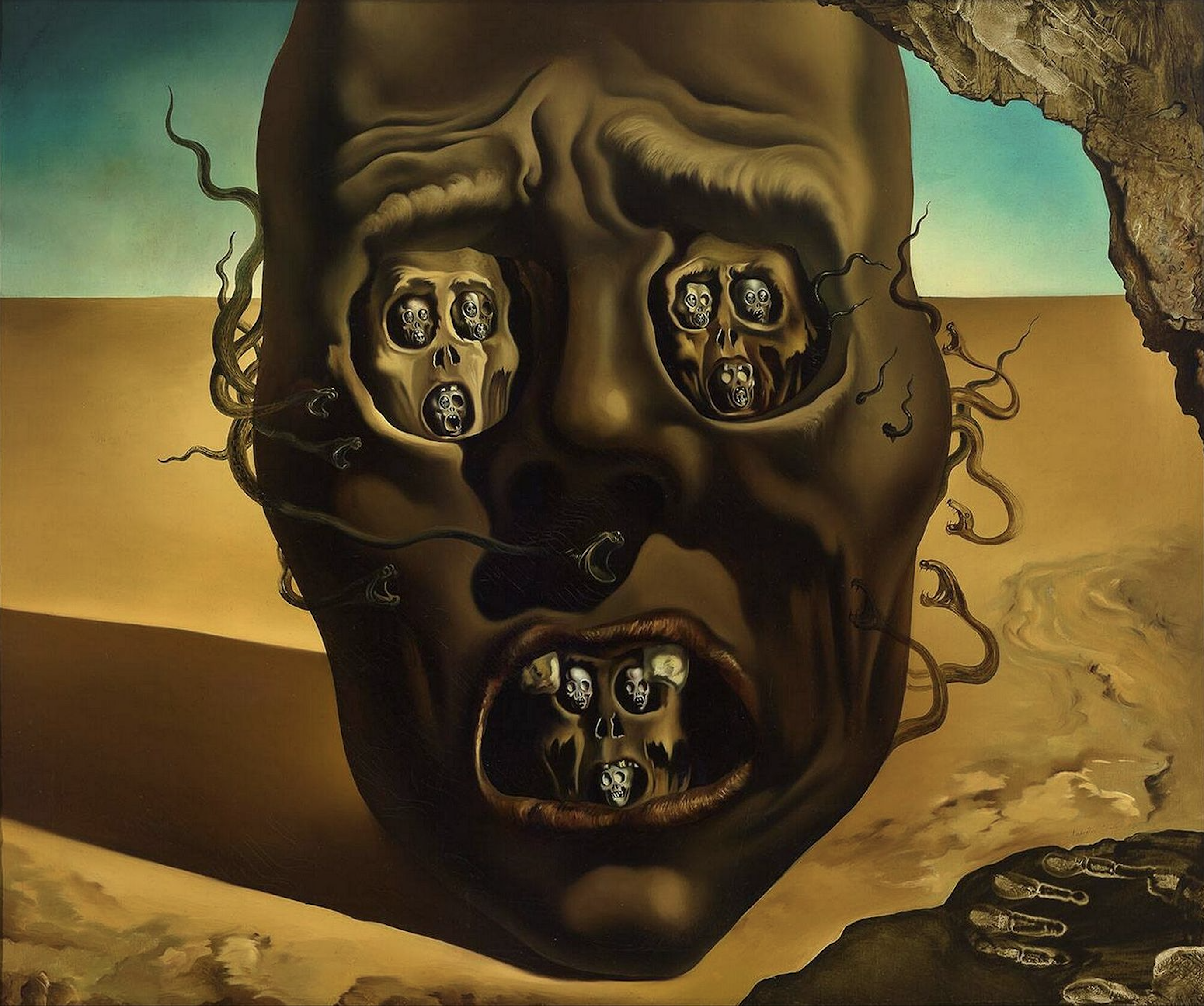
Salvador Dalí – The Face of War [1940]. Gandalf’s Gallery. Flickr.
“We need more understanding of human nature, because the only real danger that exists is man himself.
He is the great danger.
And we are pitifully unaware of it. We know nothing of man … far too little.
His psyche should be studied — because we are the origin of all coming evil.”
Interview:Karl Jung with John Freeman Face to Face, 1959
Jung’s words powerfully express the fact that evil lies in all of us and he emphasised, in 1959, that this needed more study and research. If we zoom forward in time to 2003, can we really say we understand the evil that people do any better?
Well, we do have some more theories, more ideas and ways of thinking about evil. Whether they add to our understanding of this disturbing human trait is far from certain. Some people’s evil is, seemingly, beyond understanding.
“Nothing is easier than to denounce the evildoer; nothing is more difficult than to understand him.”
Fyodor Dostoevsky
Quote 2
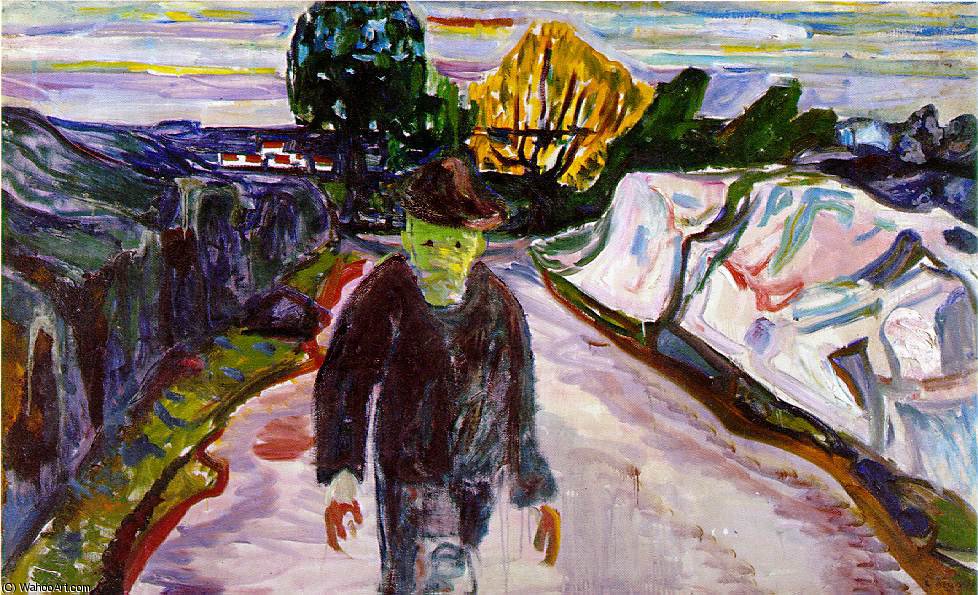
The Murderer. 1910. Edvard Munch.Wikioo.
“Murderers are not monsters, they’re men. And that’s the most frightening thing about them.”
Alice Sebold, The Lovely Bones
How often do we see photographs of those who have committed murder and say ‘They don’t look like a murderer?’ These men- and women- often look like decent, upright human beings and it is hard to believe, looking at their faces, that they have committed heinous crimes. Some say that such people are not human… and that they are animals.
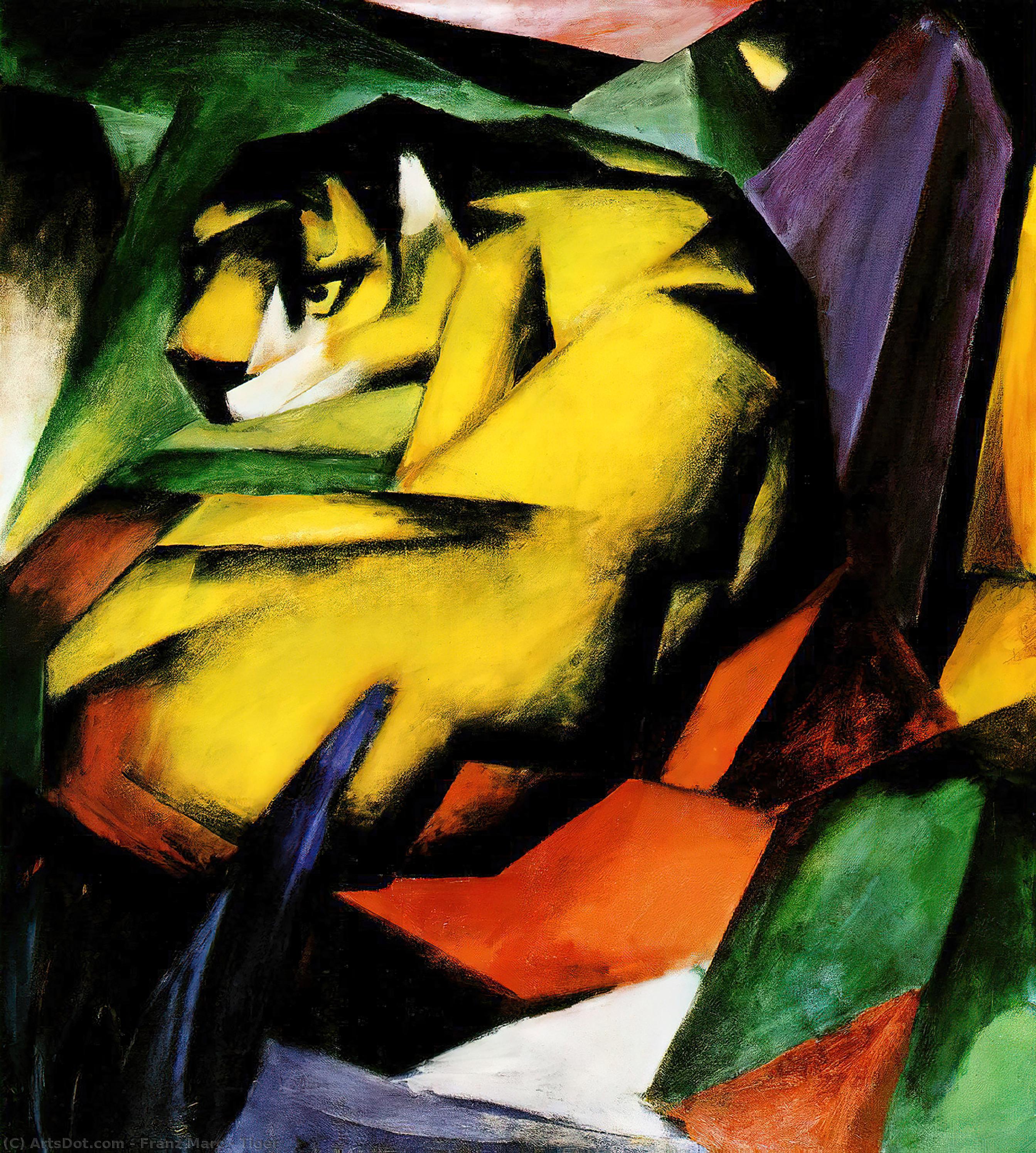
Tiger – Franz Marc. Wikioo.
“Animals don’t behave like men,’ he said. ‘If they have to fight, they fight; and if they have to kill they kill. But they don’t sit down and set their wits to work to devise ways of spoiling other creatures’ lives and hurting them. They have dignity and animality.”
Richard Adams, Watership Down
Adams’ words clearly express this great difference between humans and animals. Animals do not have the evil that human beings can possess. Nietszche described man as ‘the cruellest animal,’ for humans can kill randomly and for twisted, sadistic pleasure.
Human beings have a choice to act with kindness or evil; generally, they have the ability to reason, to determine whether an action is moral or immoral.
Attack – George Grosz. Wikioo
Quote 3
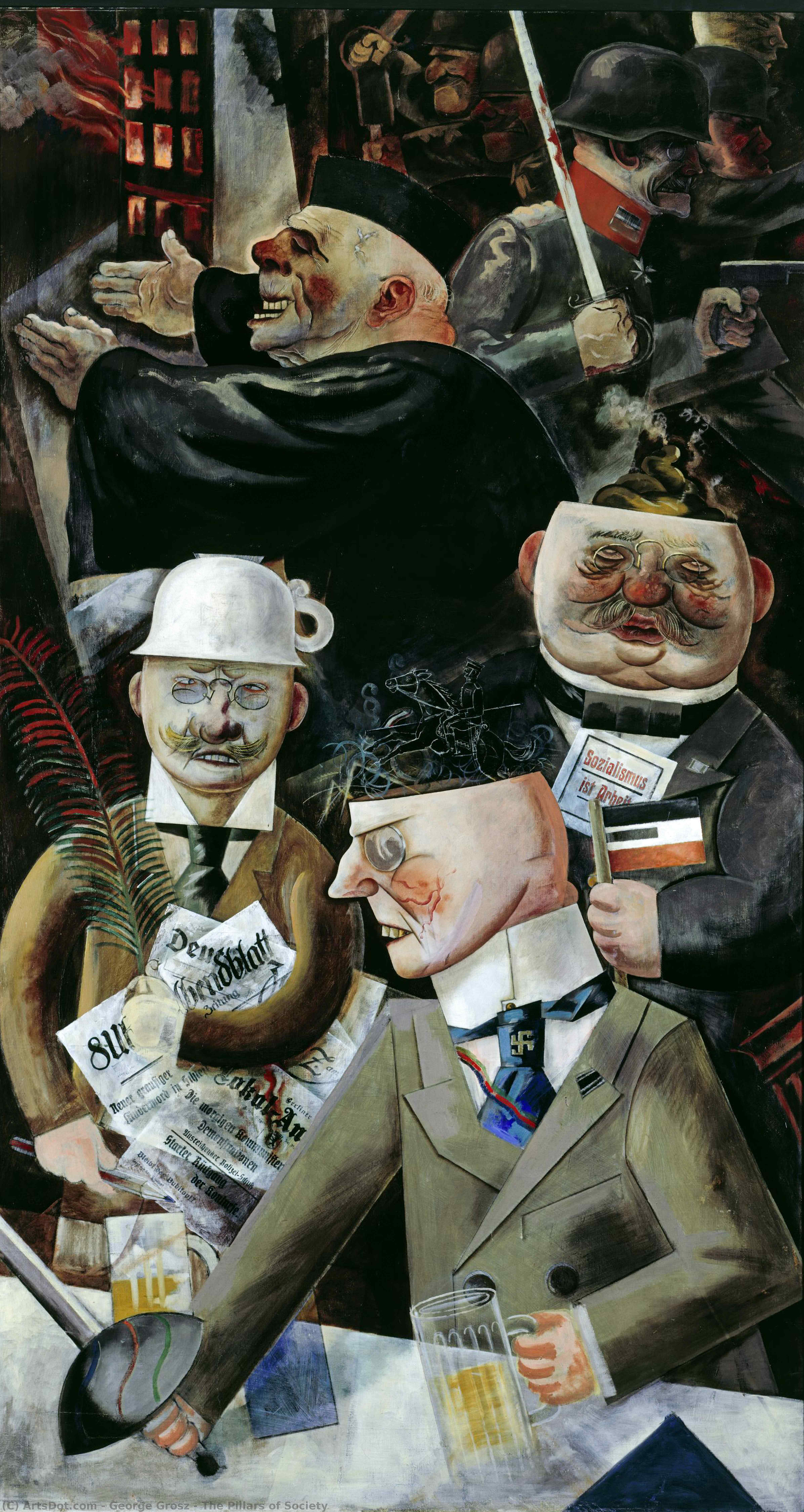
The Pillars of Society – George Grosz. 1926. Wikioo
“People who claim that they’re evil are usually no worse than the rest of us… It’s people who claim that they’re good, or any way better than the rest of us, that you have to be wary of.”
Gregory Maguire
This quotation is very important, in that it cautions us to be wary of those who parade and show off their ‘goodness,’ who trumpet their superiority in a very public manner.
Such behaviour represents a denial of their own capacity for evil. Instead of being called ‘pillars’ of socety, they may be termed ‘pillocks’ of society.
We all know some people like this, I am sure. In modern language, these people are ‘virtue signalling,’ that is trying to appear righteous and super-virtuous, showing they are better than others in a way that is public and conspicuous.
Those who have real virtue are able to acknowledge their own capacity for evil, knowing that they are not superior to the rest of us. They keep a low profile and do not trumpet their ‘honourability.’
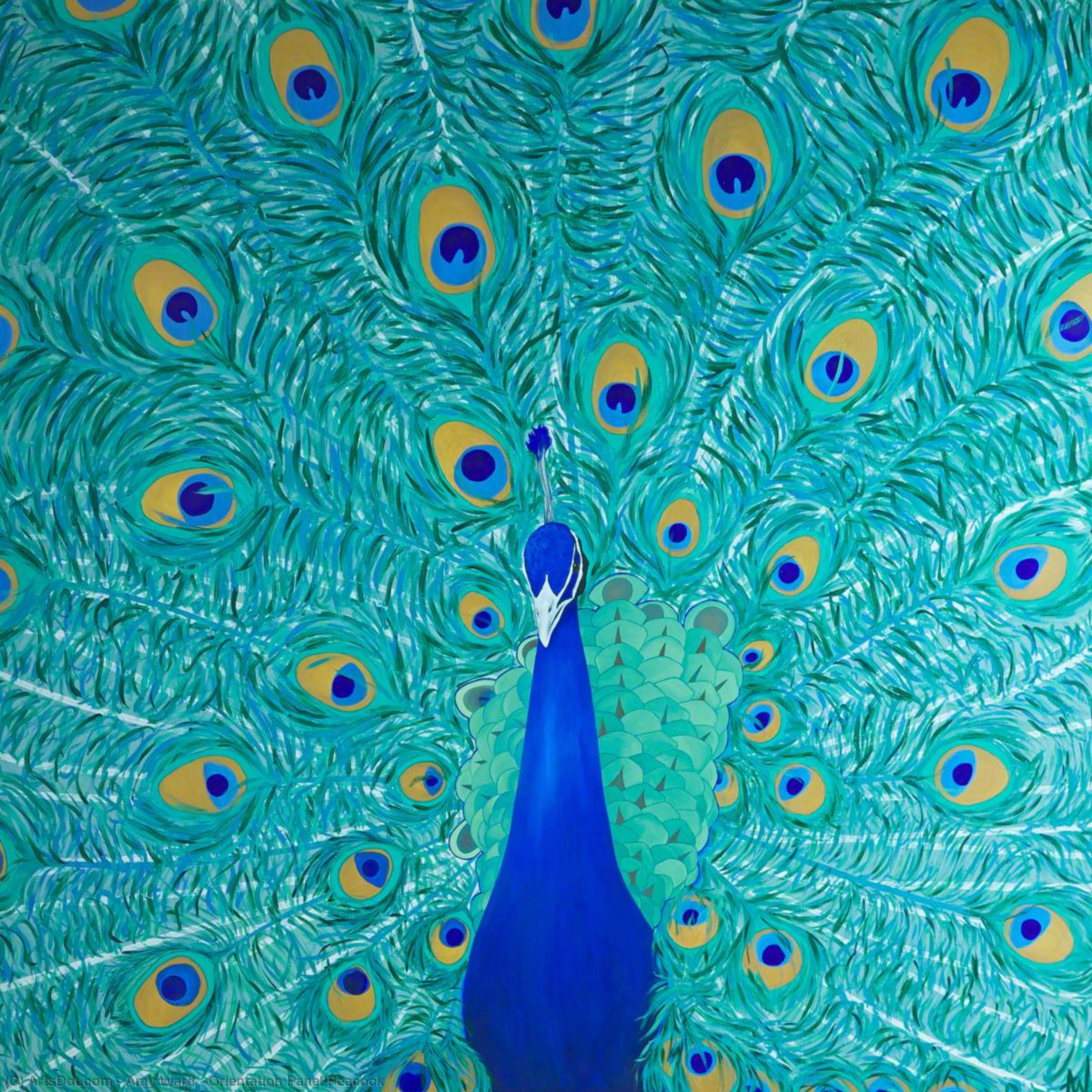
“Genius and virtue are to be more often found clothed in gray than in peacock bright.”
Van Wyck Brooks
Léon Spilliaert. Self-Portrait With Mirror. 1908. Wikimedia Commons.
“I’m not afraid of werewolves or vampires or haunted hotels, I’m afraid of what real human beings to do other real human beings.”
Walter Jon Williams
Quote 4
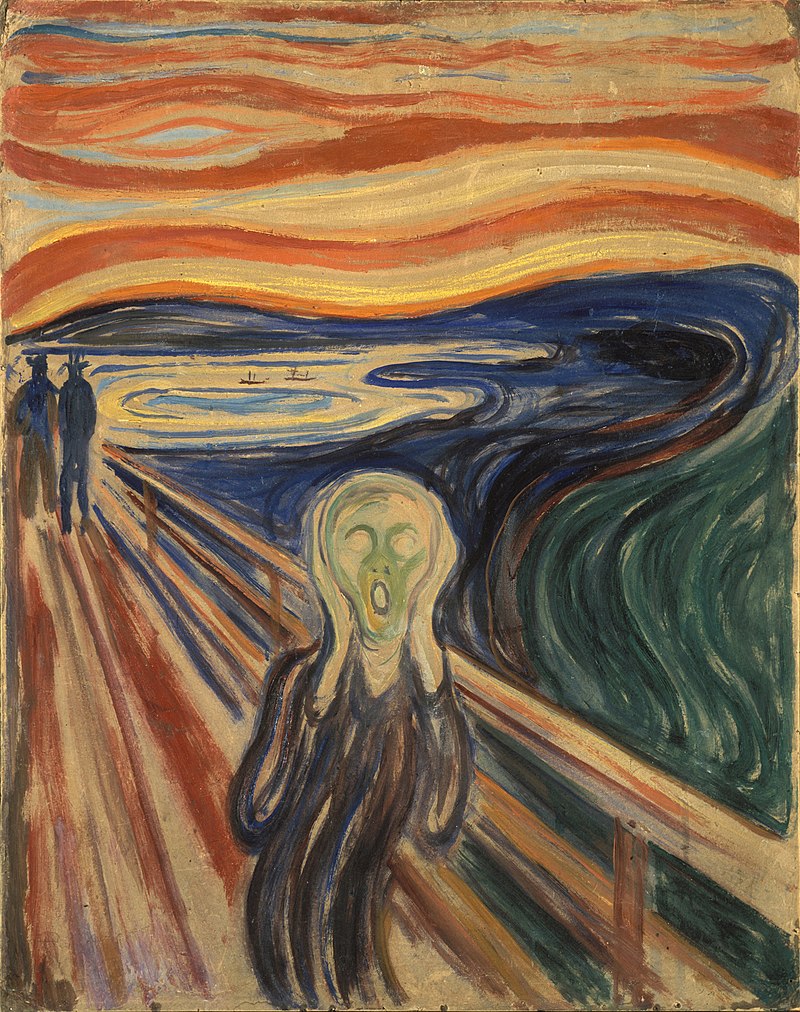
Edvard Munch – The Scream. Wikimedia Commons
“Evil”
Looks like what drives me crazy
Don’t have no effect on you —
But I’m gonna keep on at it
Till it drives you crazy, too.
Langston Hughes
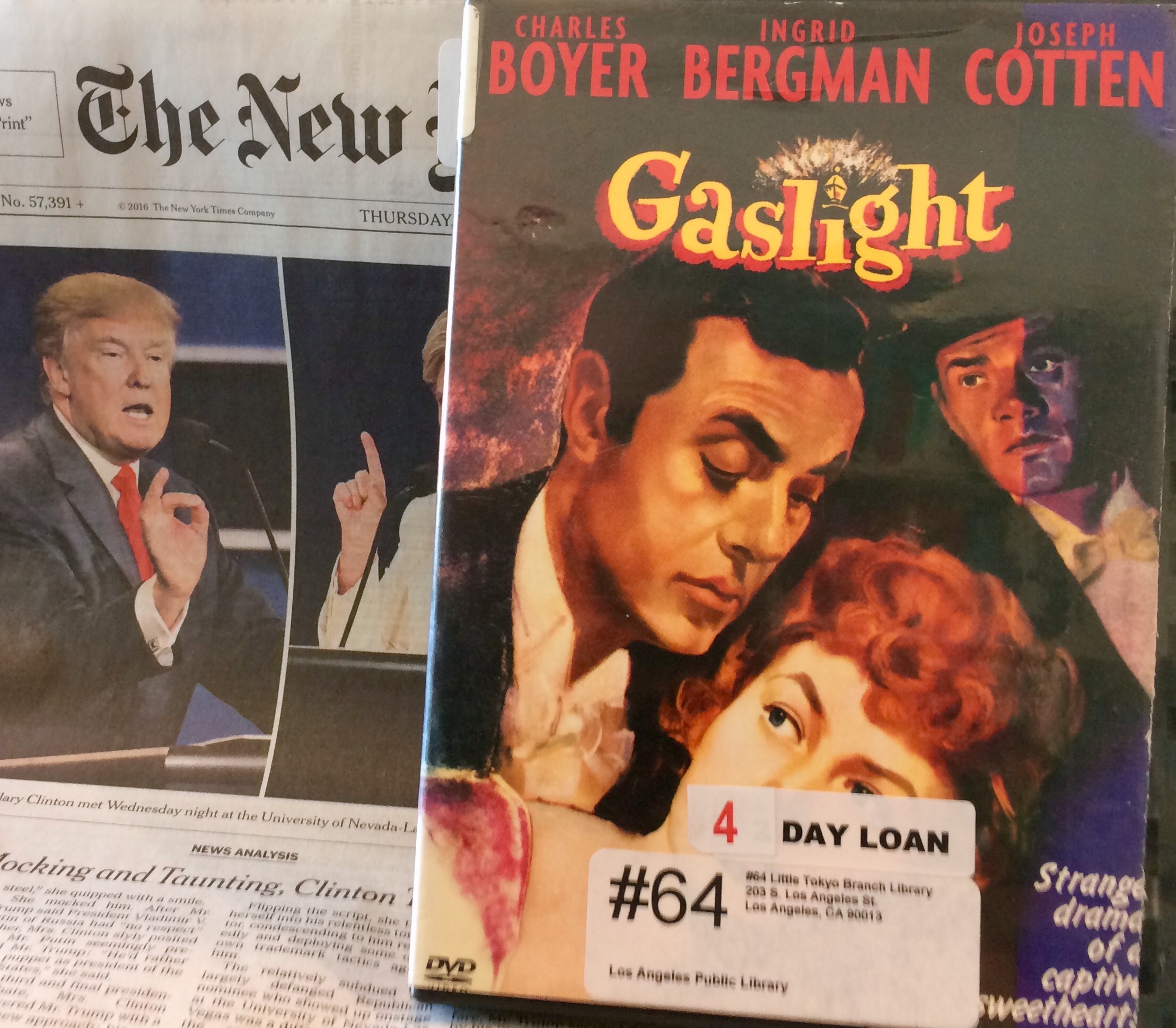
In many relationships, people complain of the other ‘driving them crazy.’ There are many reasons presented for this; some are more sinister than others. For example, gaslighting and manipulative behaviour can be destructive of another’s mental health.
This behaviour distorts and twists reality in such a way that it can be confusing and crazy-making, rendering a vulnerable other unable to discern what is real and what is not.
Whether personal or political, gaslighting can be dangerous ; it depends on lies, abuse, denial and misinformation in order to achieve its pernicious ends.
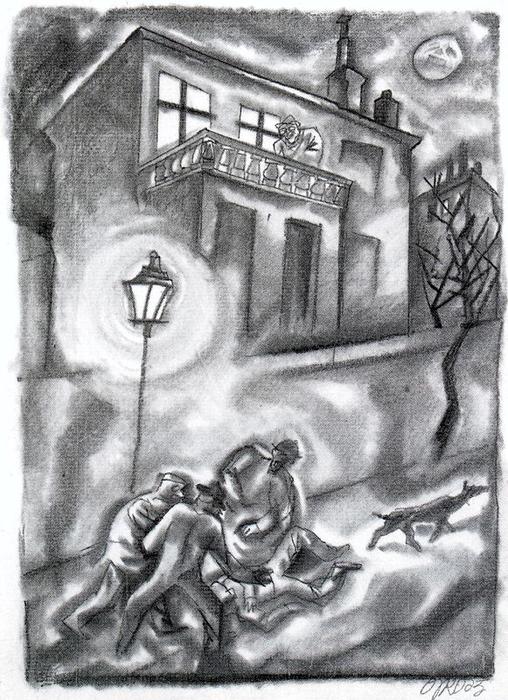
waltarrrrr. Gaslight. 2016. Flickr.
“I was asking a question sarcastically to reporters like you just to see what would happen.”
Donald Trump, (when challenged about his question about injecting disinfectant into people to prevent Covid-19.)
“Gaslighting is a form of psychological manipulation and emotional abuse. The gaslighter avoids responsibility for their toxic behavior by lying and denying and making you question facts, your memory, and your feelings. Basically, the gaslighter makes you feel crazy and confused.”
Karen Salmansohn
Quote 5
“People who deny the existence of dragons are often eaten by dragons. From within.”
Ursula K. Le Guin
This is a powerful and highly relevant quotation. It reminds us of the fact that we all have dragons, monsters, inside ourselves. In other words, we all have the potential for evil. If this fact is denied by us, or if we are totally unaware of it, as has been mentioned above, there danger lies, to both the self and other people.
Many deny that they have feelings like hatred, or murderousness. Often, people are so horrified and ashamed at the thought that they could hate anyone, that they relegate such feelings to a very deep and dark place in their unconscious mind.
Even if they glimpse their own hating feelings, whether in dreams or awake, they will immediately, and unconsciously, repress them.
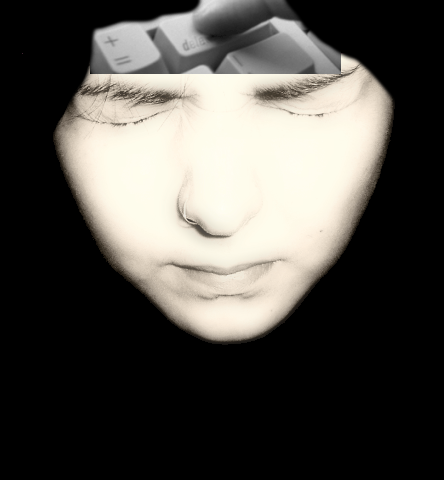
madamepsychosis. “Repression: The involuntary exclusion of a painful or conflictual thought, impulse, or memory from awareness. This is the primary ego defense mechanism; others reinforce it.” Flickr
Denial is another defence, and may vie with repression for having the ‘primary’ label attached to it!
However, we do have the conscious choice to think differently about these parts of ourselves, to realise that we all have a shadow-side, and to begin to appreciate that ‘making friends’ with our darker side can produce feelings of wholeness and calm.
Unless we face these inner monsters, we will never be able to tame them. If they are unknown to us, they will run riot. If we experience, for example, shame and distress because we have a lot of anger inside, then we will lack self-compassion. A lack of compassion and acceptance for ourselves will mean that, in turn, we will not be able to give care to others.
Only when we have faced and accepted the existence of our ‘demons,’ will we have some control over the darker side of ourselves. We need to learn, deep inside, that, as human beings, we are all a mass of paradoxes and contradictions, that we are both light and darkness, angels and devils, we are both accepting and angry, we love and we hate.
In this way, we will eventually gain a sense of inner resolution and peace, and be free to fight against external injustices…
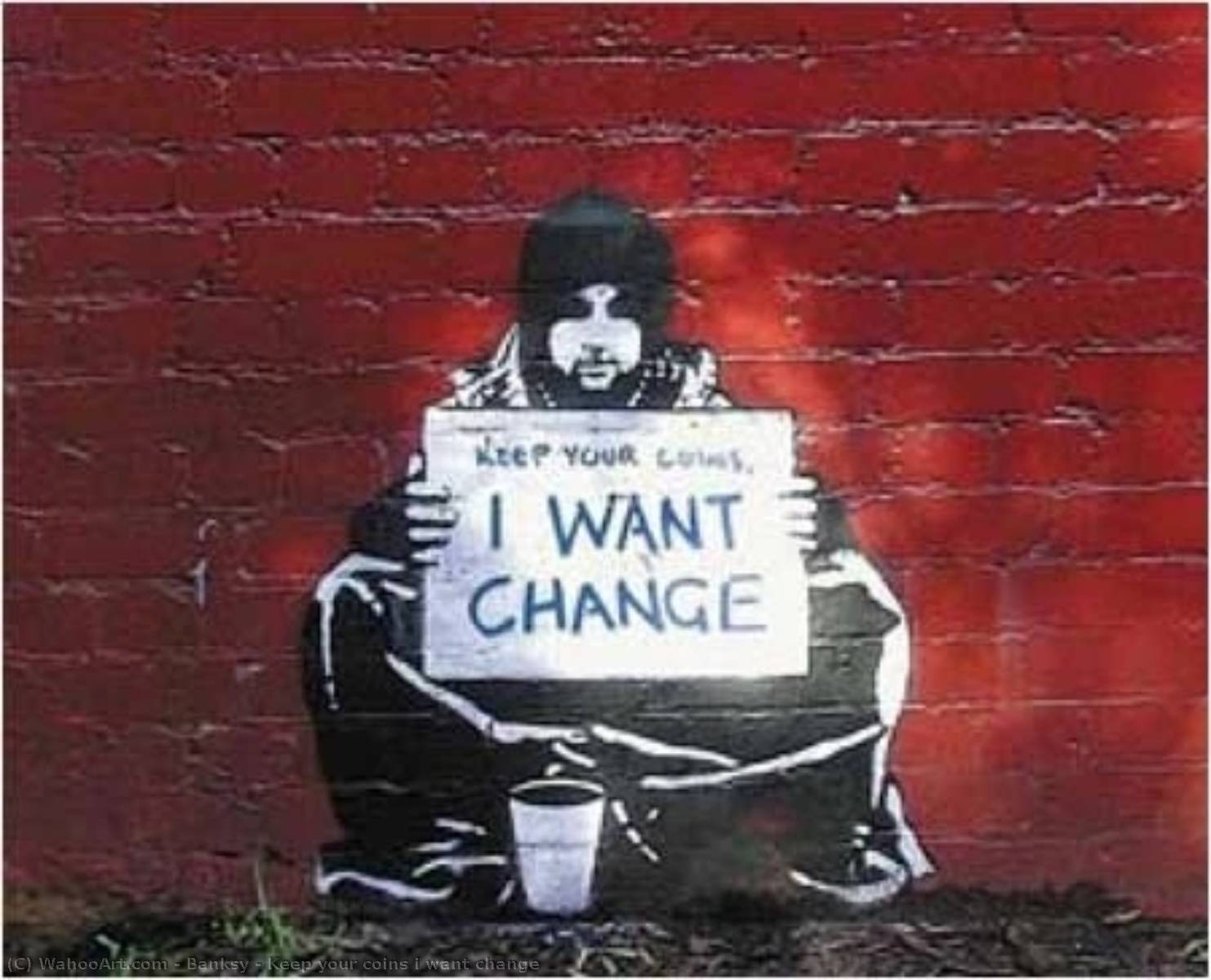
Keep your coins i want change – Banksy. Wikioo
“Work and struggle and never accept an evil that you can change.”
André Gide.
Spider, 2003 –Louise Joséphine Bourgeois. Wikioo
What is evil?” asked the younger man. The round web, with its black center, seemed to watch them both. “A web we men weave.” Ged answered.

 Orientation Panel Peacock – Amy Ward. 2008. Wikioo
Léon Spilliaert. Self-Portrait With Mirror. 1908. Wikimedia Commons.
 waltarrrrr. Gaslight. 2016. Flickr.
 Keep your coins i want change – Banksy. Wikioo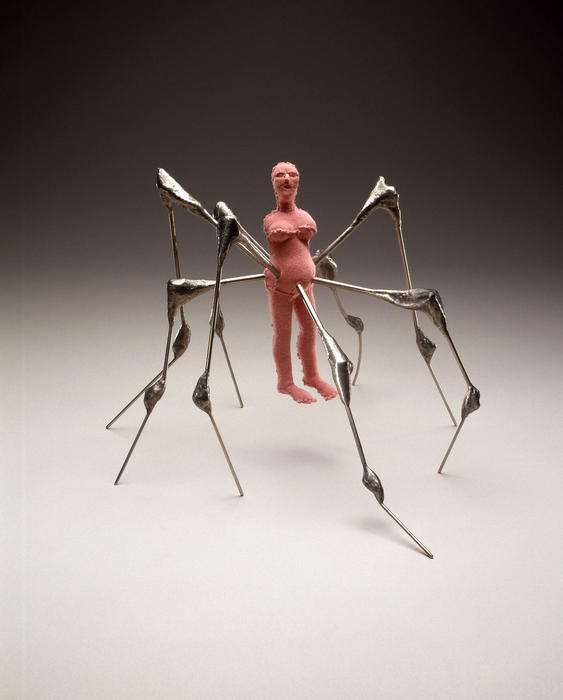
 waysofthinking.co.uk
As profound as always. Very purposeful and reassuring.
LikeLiked by 1 person
Thank you Arun! I appreciate your comment.
LikeLike