
Warning: This post may be triggering and disturbing for some people.
- Long shadows
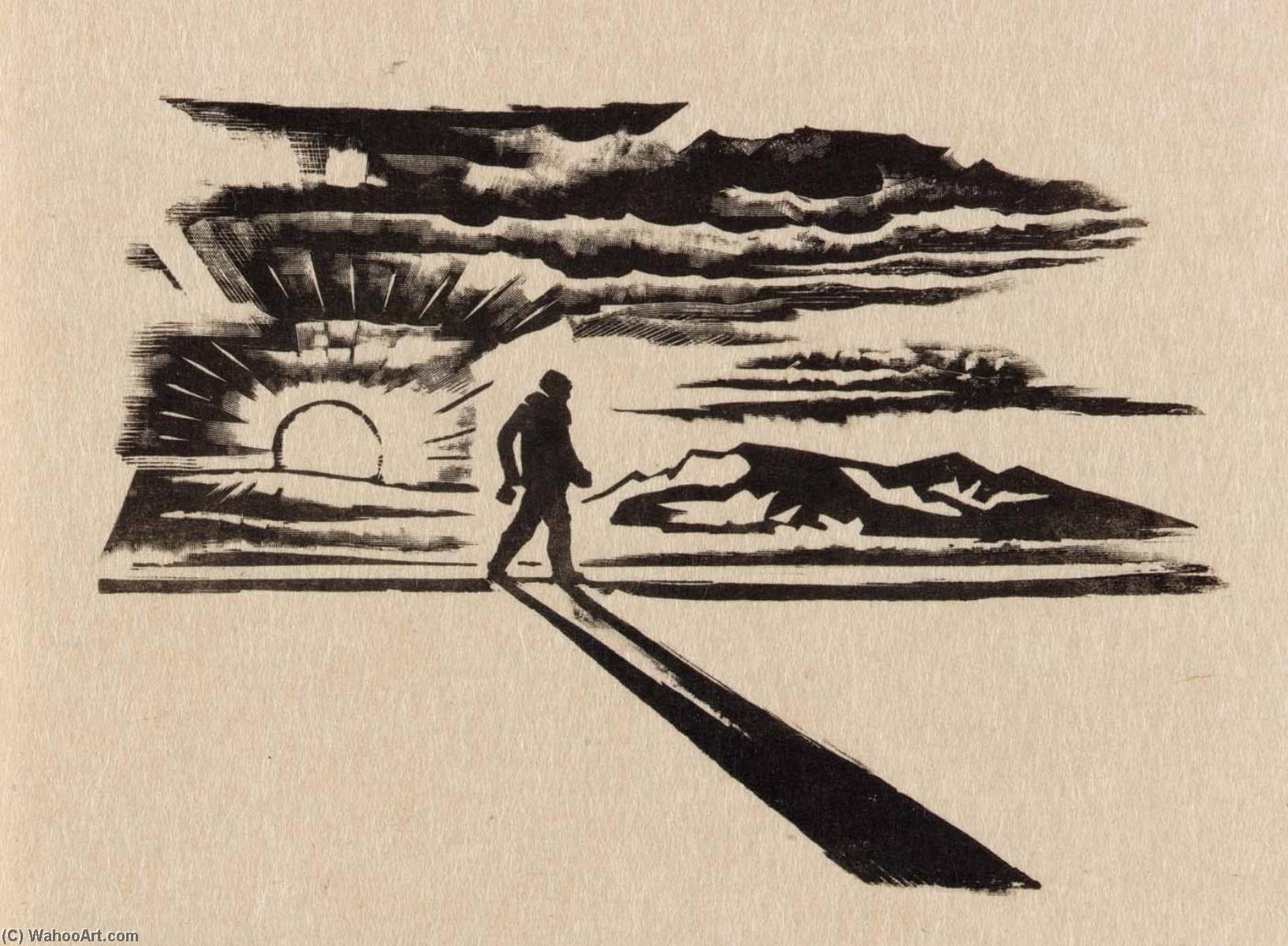 Man with Shadow – Howard Cook. 1930. Wikioo
It is important to state at the beginning of this post that not everyone reacts to trauma in the same way. Some survivors of childhood sexual abuse will still feel affected in their later years, others less so.
Childhood sexual abuse may be defined as a criminal act involving any kind of sexual activity between adult, or adolescent, and child. This may include inappropriate touching, sexual innuendos, sexual penetration, indecent exposure by the adult, online grooming and exploitation, coercion and control, or forcing the child to watch pornographic material. For further information, follow this link.

The Shadow – Richard Edward Miller. Wikioo
“Child abuse casts a shadow the length of a lifetime.”
Herbert Ward
The shadow of child abuse can, indeed, be long and it can dominate people’s lives, if not confronted and worked on in some kind of therapy. It is most often very difficult for people to face the terrible trauma they have experienced.
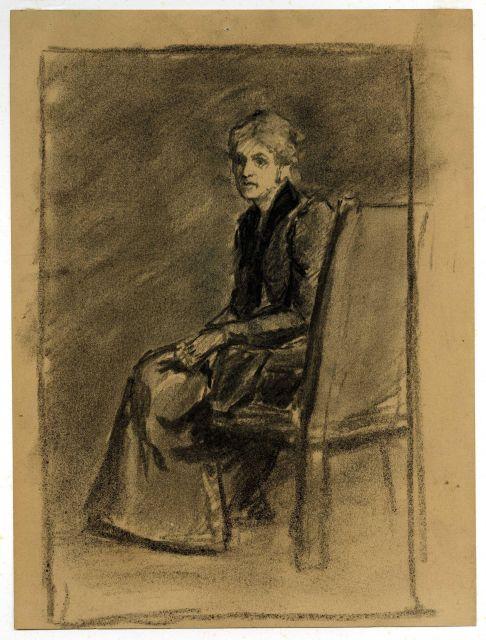
Seated older woman – Theodore Clement Steele (1847-1926) Wikioo
“Many of the early explorers in my field—Sigmund Freud, Anna Freud, Melanie Klein, John Bowlby—concluded that early trauma, even dating back to preverbal eras, takes its toll, often an indelible toll, on the comfort, the ease, the self-esteem, of the adult, even into late stages of life.”
Irvin Yalom
Yalom’s words express the damage that early trauma, such as sexual abuse, can cause in adult life. The range of symptoms is wide and I cannot cover them all in any detail here. They can be both physical and psychological.
Many adults abused as children can be anxious and depressed, numb or disassociated, maybe angry and fearful, with an exaggerated, hyper-aroused response to minor shocks.
It is as if, for some, the abuser is still with them, and they react to every stimulus as a potential threat. Panic attacks, addictions, eating disorders, somatisation, nightmares, flashbacks, and self-harm can also occur in those who have been abused.
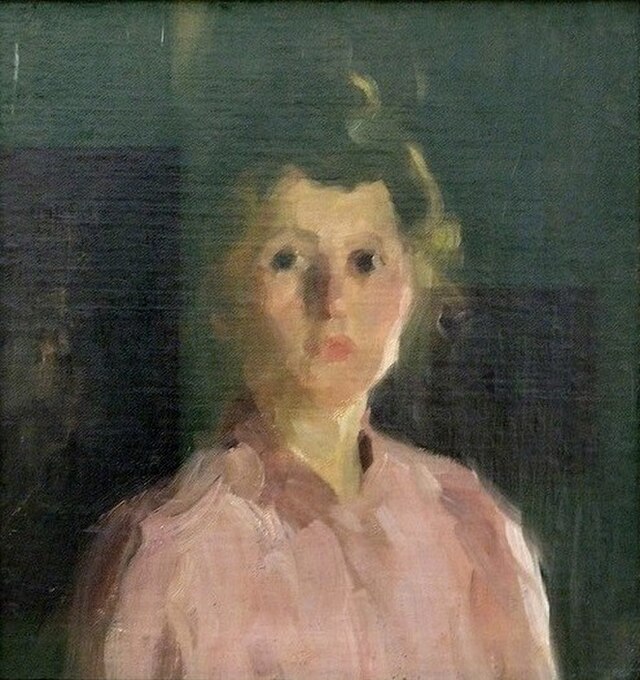
Portrait of Helene by Alexej von Jawlensky, 1900. Wikimedia Commons
“After a traumatic experience, the human system of self-preservation seems to go onto permanent alert, as if the danger might return at any moment.”
Judith Lewis Herman, Trauma and Recovery
An inability to concentrate at school because of the abuse can mean that the adult grows up with an incomplete education, which may lead to problems with jobs and careers.
Pain, physical or psychological, caused by the abuse, may be distracting and disturbing for the child, who is afraid to share their distress, perhaps under threat of harm from the abuser to themselves or their family.
Some survivors may, on the contrary, immerse themselves in school and academic work as an escape, finding that this is a kind of ‘comfort-zone,’ something they can have all to themselves. This may sometimes be an effective distraction, but it cannot take away the pain and confusion caused by childhood sexual abuse.
- Triggers
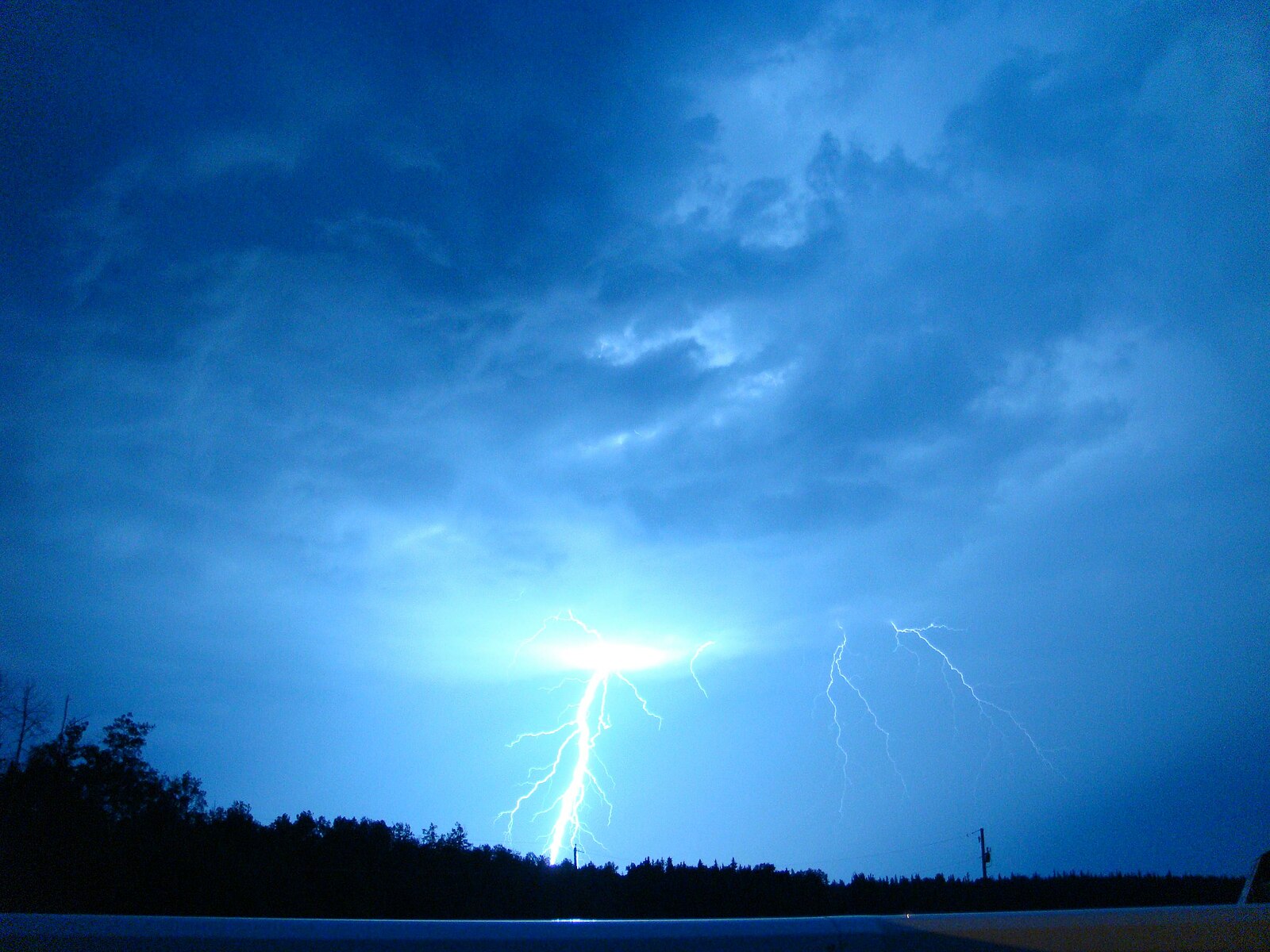
A image taken of lightning around the area of Edson. Author: -codalo.2008. Wikimedia Commons.
“Trauma happens when any experience stuns us like a bolt out of the blue; it overwhelms us, leaving us altered and disconnected”
Peter A. Levine, Trauma Through a Child’s Eyes: Awakening the Ordinary Miracle of Healing
‘Altered and disconnected’ are powerful words to describe the after-effects of trauma. Many people feel responsible for the abuse they suffered, confused, guilty and ashamed.
They may remember what happened, but keep quiet about their experiences, perhaps into adulthood, perhaps forever.

“Triggers are like little psychic explosions that crash through avoidance and bring the dissociated, avoided trauma suddenly, unexpectedly, back into consciousness.”
Carolyn Spring
The trauma of sexual abuse reaches the very centre of a person; it is so disturbing and deeply distressing to a child to have their world turned upside down by such experiences.
Often, the abuse is perpetrated by a previously trusted figure, such as a family member, teacher, or a minister of religion. This makes it doubly difficult to share such a secret. The abused child may feel as though they are betraying the person they need, respect and, perhaps love, especially if that perpetrator is a parent.
Anything might spark memories and feelings about the trauma of childhood sexual abuse. These may suddenly materialise, seemingly out of nowhere, perhaps revivified by some life event such as loss, divorce or illness. Those who work with the dying sometimes find that people share such memories for the first time, as they face imminent death.
An image, a sound, a smell, a taste, meeting a person who resembles the abuser, any of these can function as a trigger, depending on the individual and their experiences.
- Aloneness
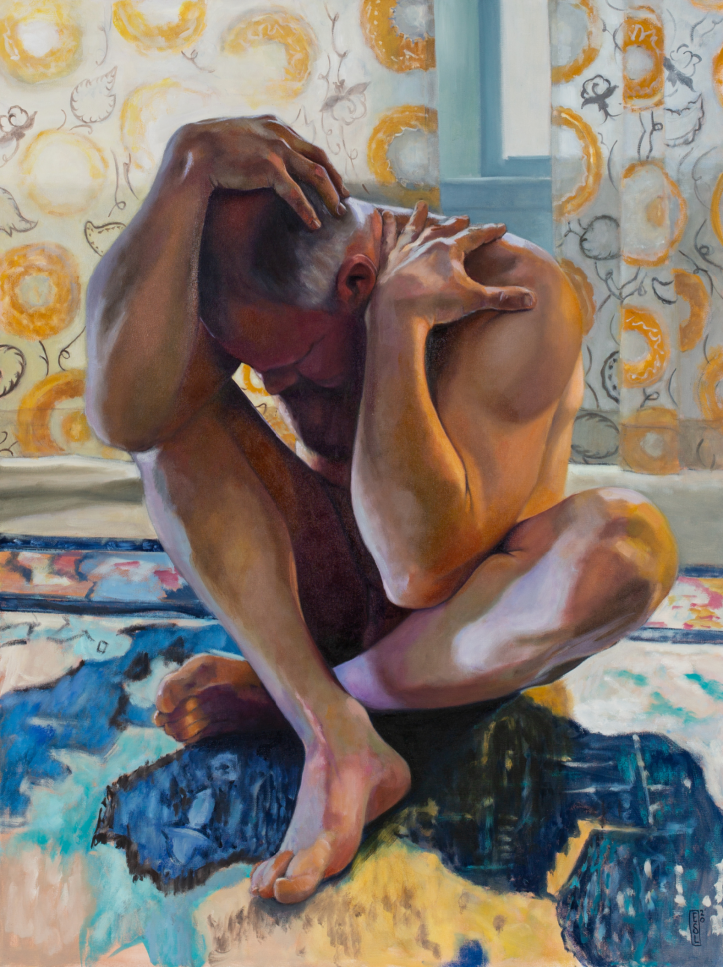 Ellen Starr Lyon – The Vulnerability of Man II [2020]Gandalf’s Gallery. Flickr.
“An unacknowledged trauma is like a wound that never heals over and may start to bleed again at any time.
Alice Miller, Thou Shalt Not Be Aware
“Trauma is not what happens to us, but what we hold inside in the absence of an empathetic witness.”
Peter A. Levine
Not having a reliable, honest witness to their dreadful trauma can be terrifying for a child. Being lonely and alone amongst people who disbelieve the survivor, or protect the perpetrator, if they do attempt to share what happened to them, can be devastating.
There is often denial by the abuser, family or friends, that abuse has occurred, making the child feel alone, mistaken, or crazy for having a different reality, which is not affirmed by others.
Often they have been accused, blamed, punished for ‘lying,’ or conditioned to feel ‘bad,’ unsure of their own reality and their own perception. It can mean that they become uncertain of their own ways of seeing the world. The sexual abuse may have continued for years in the child’s life and they may grow up thinking that this is a part of ‘normal’ family behaviour.
The boundary between fantasy and reality is confused; sometimes the abused person cuts off from reality during the abuse as a coping mechanism and this defence of dissociation may continue into adulthood.
The child’s sense of agency, rights and personal power are often destroyed or damaged; this is a desperately invasive, core injury.
Such treatment and exploitation of a vulnerable child can lead to confusion and extreme lack of self-confidence; those who do not understand the effects of trauma may misread the survivor’s confusion of facts when telling their story.
They can mistake this behaviour as lying, acting, or manufacturing the truth, when in fact the victims are suffering from the effects of being severely traumatised. They are reacting in a ‘normal’ way to extremely abnormal treatment.

“The past can tick away inside us for decades like a silent time bomb, until it sets off a cellular message that lets us know the body does not forget the past.”
Donna Jackson Nakazawa, Childhood Disrupted

“We often tend to ignore how much of a child is still in all of us.”
Elisabeth Kübler-Ross.
The child that we once were still remains inside us all. They are still there, in memories, reactions, experiences. Perhaps this child partly resides in our unconscious mind:
“So, like a forgotten fire, a childhood can always flare up again within
us.”Gaston Bachelard
- Relationship difficulties
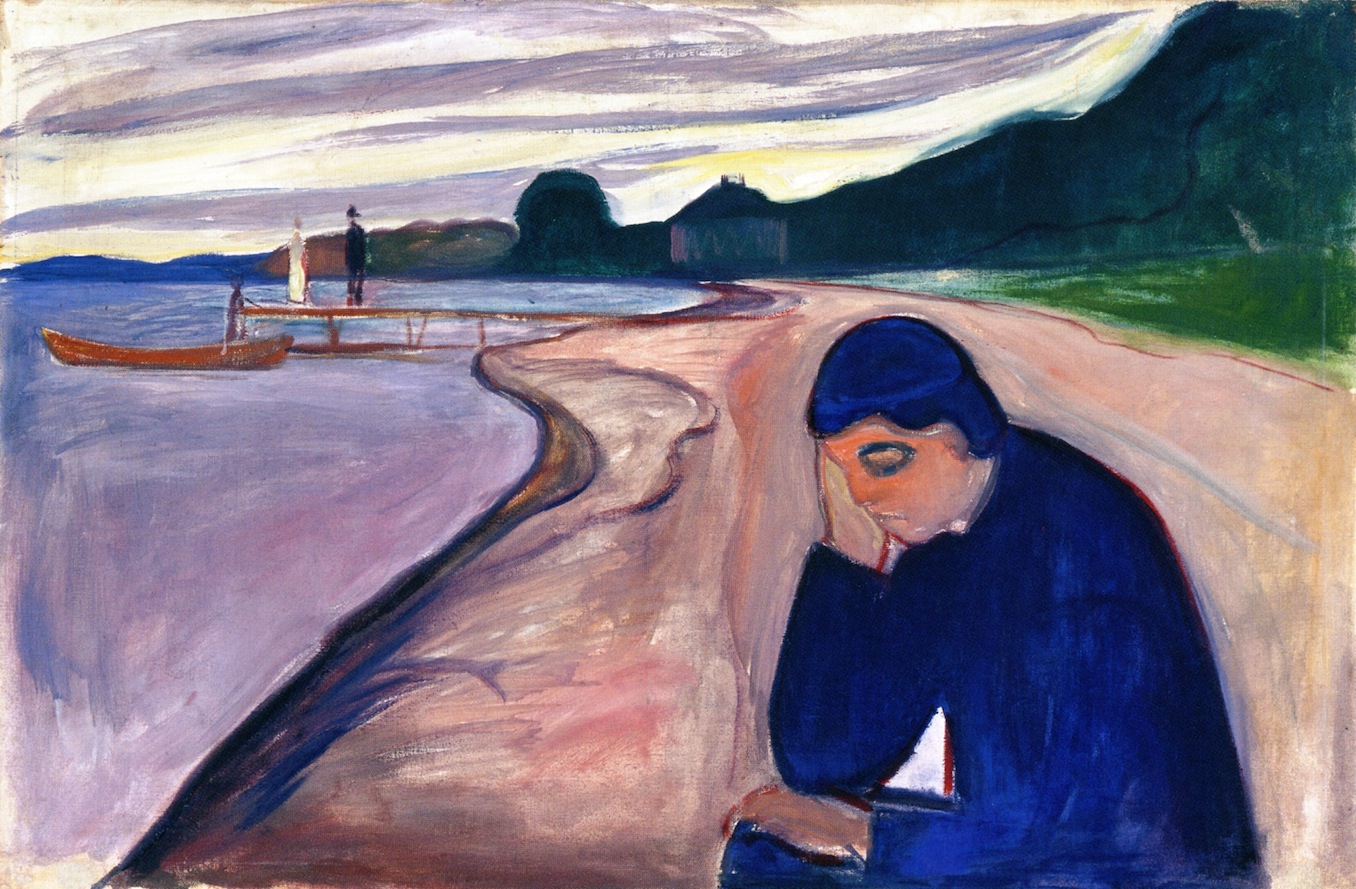 Edvard Munch – Melancholy (1893). Wikioo
“We accept the love we think we deserve.”
Stephen Chbosky
Childhood sexual abuse can create relationship difficulties in adult life; painful memories can sometimes mean that the survivor is withdrawn and afraid of relationships, keeping others at a distance. One or both partners in the marriage may perpetrate abusive behaviour on the other.
Sexual problems can arise that interfere with relationships in adulthood; it is common that sexual activity itself, or the prospect of it, can trigger distressing, fearful memories of early abuse.
“There is no greater agony than bearing an untold story inside you.”
Maya Angelou
Next week, in part 2 of this post, I will explore aspects of the recovery process and therapy for those who have been sexually abused in childhood.
© Linda Berman
 waysofthinking.co.uk
Excellent article, thank you. Looking forward to part 2.
LikeLiked by 1 person
Thank you so much Zoe. Part 2 in preparation! x
LikeLike