
- The recovery process: some issues in therapy
 Janne Kearney – Me Too [2017] Oil on Linen. Gandalf’s Gallery. Flickr.
“Recovery unfolds in three stages. The central task of the first stage is the establishment of safety. The central task of the second stage is remembrance and mourning. The central focus of the third stage is reconnection with ordinary life.”
Judith Lewis Herman, Trauma and Recovery
Sometimes, people have been so badly traumatised in childhood that they will require others to help them nurture and recover their damaged selves. This is an absolutely understandable need for someone who has been hurt or abused in the past.
What they will require is a reliable, professional, boundaried and empathic experience with a therapist well versed in the treatment of trauma.
In this post, as a framework, I will use Judith Herman’s three stages of recovery (as mentioned above) in therapy for those who have suffered childhood sexual abuse.
- Establishing safety
 Sander van der Wel .2009. Praktijkruimte Elica Coaching & Counselling. Flickr
The provision of a containing therapeutic space is very important. The therapy room needs to be welcoming, peaceful, warm and secure, with comfortable chairs into which the client can relax and feel ‘held,’ safely contained.
The therapist’s empathic and accepting stance, within this secure and confidential space, can enable the client to feel more whole, less distressed and self-critical.
Helping the client feel safe, as Judith Herman says, is paramount; without this, the client will not be enabled to trust the therapist with their deepest thoughts and feelings.
This may take some time, an ability to wait and a good deal of patience on the part of the therapist, for the abused client has already had their trust betrayed in cruel and evil ways.
The therapist can help the client feel safer in therapy through their empathy, confidentiality and congruence. They will have a non-judgmental stance, establishing an undisturbed and consistent physical space, ensuring that the room feels safe for the individual client and their needs, setting boundaries, and respecting the client’s own boundaries.
Boundaries in therapy
 Boundary. Shadow abstract … playing with light. Whatknot. 2017. Flickr
Whilst the abuse occurred, especially if it was by a family member, there was inevitably terrible confusion over roles and boundaries. The victim’s boundaries were violated physically, emotionally and psychologically and the thinking processes of the abused child will have become very confused.
There is a massive dilemma for the child if the abuser is a parent; feeling betrayed by such an important and needed figure can be completely disorientating. The child frequently unconsciously opts to blame themselves, to see themselves as bad, rather than face the knowledge that their parent is bad and has done wicked things to them.
This thought may be strengthened if the abuser, or another family member, blames them and disbelieves their abuse story. These confused feelings and self-blame can persist for years, well into adulthood; love and abuse often become bewilderingly intertwined. Boundaries have been breached in unthinkable ways.
If the adult who was abused then enters psychotherapy, either individually, or in a survivor group, issues of boundaries are paramount.
There is frequently acting out within and outside the therapy. This is a kind of memory and is a way of communicating indirectly to the therapist how things have felt in the past, when there was no secure base.
For example, lateness for therapy sessions, or missing sessions, may occur. The meaning of this, if repeated, needs to be caringly and mutually understood by both therapist and client as the therapy progresses. Lateness can be about anger, often repressed, which may need help to come to the surface.
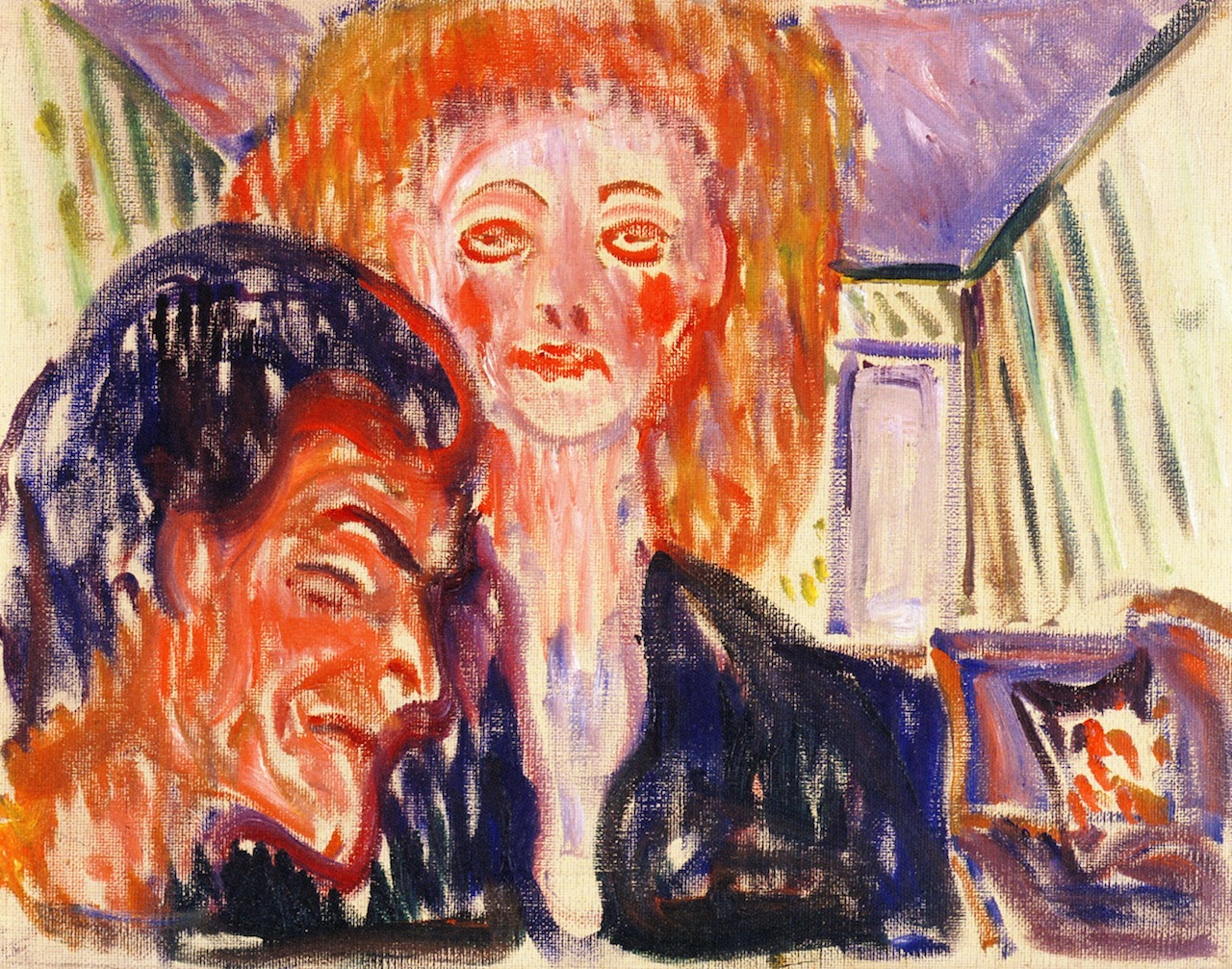 Edvard Munch – Hatred. 1907. Wikimedia Commons
“The more you face the truth, the angrier you will probably become. You have a right to be angry about being sexually abused. You have a right to be angry with the perpetrator, regardless of who it was, how long ago the sexual abuse occurred, or how much he/she has changed.”
Beverly Engel, The Right to Innocence
Psychotherapy with survivors, depending on their emotional state, may be painful and lengthy. Trust issues can be understandably difficult, as is relating the abuse story, which may feel retraumatising. It needs to be heard by the therapist with empathy, valuing, patience and care.
It is important that the therapist is sensitive to the client’s defences and aware of their boundaries.
“The effective therapist should never try to force discussion of any content area: therapy should not be theory-driven but relationship-driven.”
Yalom, I., 2008. The Gift of Therapy.
Any attempt to push through boundaries by the therapist, or to breach emotional ‘walls’ that may have been erected to protect the child self, is only repeating the abuse and is also potentially retraumatising the client.
Clients need to proceed at their own pace, which will reflect their way of setting their boundaries, as they begin to allow another person into their private world of painful memories.
Using the therapy relationship as a means of recovery
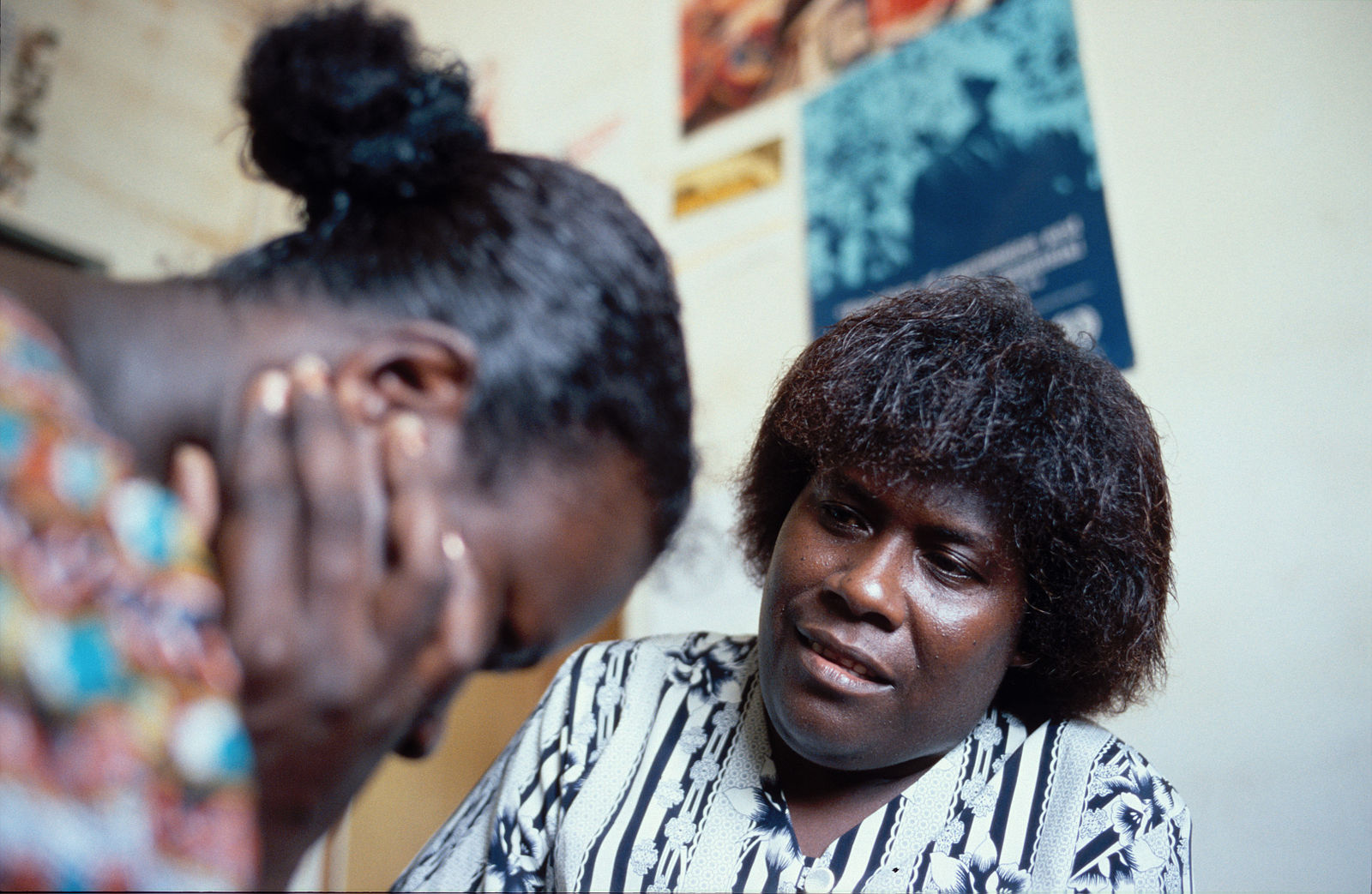 PNG counselling service for women. PNG 2008. Photo: AusAID. Wikimedia Commons
“Recovery can take place only within the context of relationships; it cannot occur in isolation.”
Judith Lewis Herman, Trauma and Recovery
This is a crucially important point; a dynamic, relational approach is essential if the client is to be able to work through some of the inevitable issues in their relationships with others. The relationship between client and therapist will provide an arena within which to explore sometimes self-defeating ways of being in their relationships outside the therapy.
Past behaviours will inevitably be repeated symbolically in the therapy relationship. The space between therapist and patient becomes a kind of ‘theatre’ in which to reactivate and reenact aspects of one’s past experience. Feelings and behaviours towards the therapist will inevitably reflect aspects of the patient’s primary caregivers. This is called the transference in psychoanalytic psychotherapy.
The meaning of such feelings in the transference to the therapist will be highly significant. It will give us strong clues as to the core of the client’s issues and the way they relate to others outside of the therapy room.
We unconsciously ‘project’, that is, we make an emotional transfer onto others, of other people from past experiences and relationships. Psychodynamic thinking offers us a way of understanding how such projections have emanated from past experiences of life and from relationships with key figures, and how such influences tend to become somewhat integrated into our personality and our ways of thinking.
- Remembrance and mourning
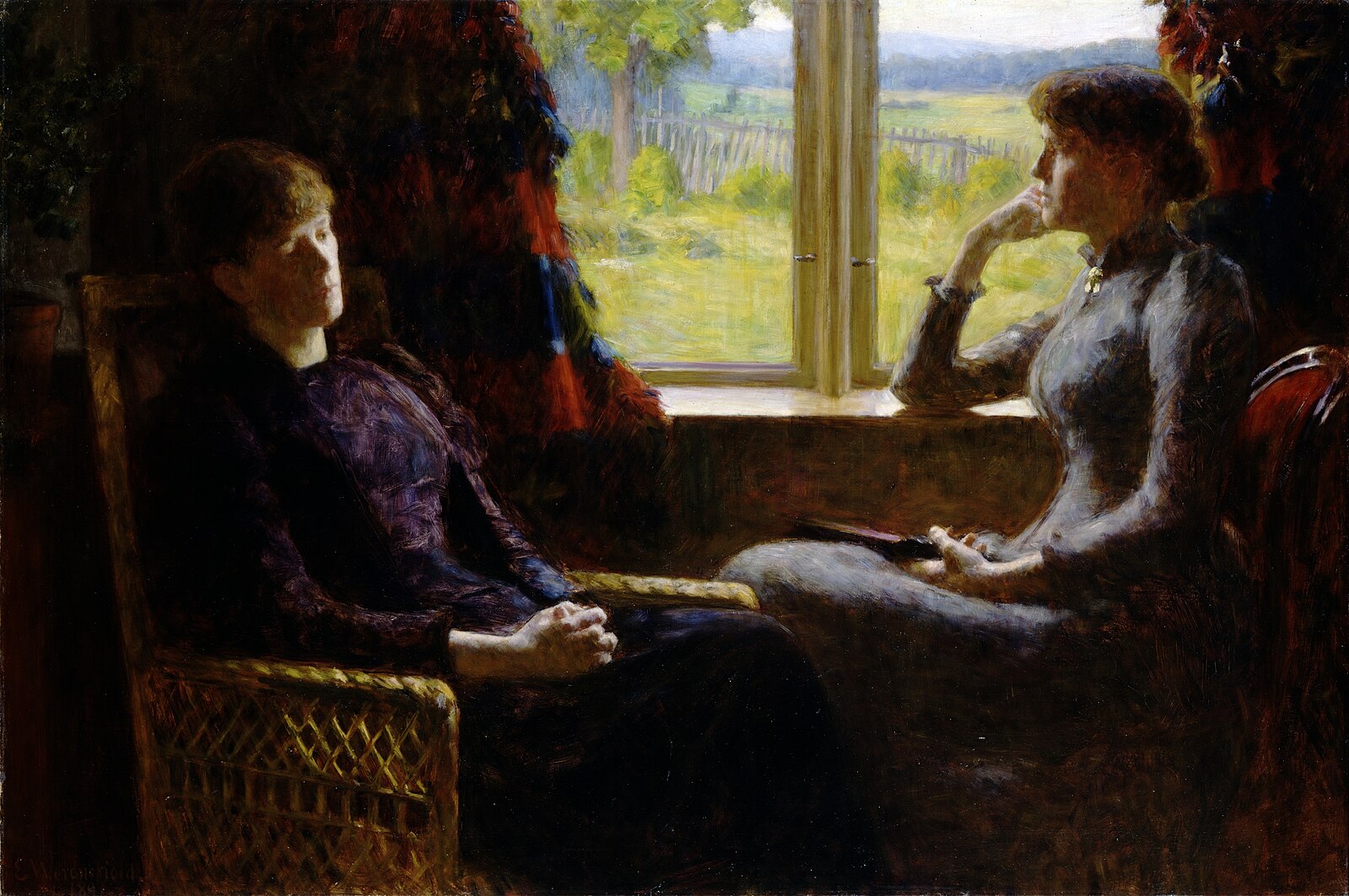 Erik Werenskiold – Memories. 1891. Wikimedia Commons.
“It is not okay to ‘live and let live,’ to let ‘bygones be bygones,’ to ‘forgive and forget,’ to let the ‘past be the past’ or any of the other clichés your family and friends will try to persuade you to forget about what happened and to move on. Try not to accept these messages.”
Beverly Engel, The Right to Innocence
When the client does begin to talk about their experiences, this may mean that the therapist becomes the first real ‘witness’ to the client’s painful story. The therapist will be a crucially important figure who does not doubt the veracity of the client’s experience, who is, as I have mentioned, trauma-informed and also recognises bodily signs, symptoms and signals as responses to the impact of trauma.
An effective therapist will apply no pressure to ‘forgive and forget,’ as Engel mentions in the quotation above. They will be accepting of emotions that feel angry, bitter and hateful and it is important that these are expressed by the client and brought out into the open in therapy.
These are entirely understandable feelings in someone who has been so badly treated in childhood. If they are not explored, then they are likely to be damaging of self and others in the present.
For survivors, learning that they have the right to say ‘no,’ and not having to feel they always must please others, enables them to become more assertive, and stand up for themselves. Being clear about one’s beliefs, needs and views can be a struggle, given the boundary confusion that inevitably characterised the survivor’s childhood.

Weeping Woman 1937. Pablo Picasso . Wikimedia Commons
“Fear of breakdown is the fear of a breakdown that has already been experienced”
Winnicott’s quotation expresses a frequently overlooked point: that often what is experienced as a current feeling of fear, something relevant to the present moment, in reality lies in the past. The terror is somehow being revivified and, very convincingly, it seems to be not only from the past, but of the now.
Childhood abuse actually affects people’s concept of time; in those who have been traumatised, the past and the present become unpleasantly coalesced; the past creeps imperceptibly into the present.
The reality is, however, that the survivor will never again be that helpless, isolated child. They will need help to see that they, and the world, have changed. Enabling someone to realise this can be very empowering.
 Glen Bledsoe. Time and Time Again. 2011. Flickr
“Fairy tales are more than true: not because they tell us that dragons exist, but because they tell us that dragons can be beaten.”
Neil Gaiman, Coraline
Helping abused people decide on their own boundaries leads to increased assertiveness, combatting old feelings of powerlessness.
Achieving clarity in stating what clients do and do not need, or want, from the therapy, is crucial. Clients are in charge of whatever and how much they wish to share. Power and control issues will inevitably arise; the survivor needs to feel equal with the therapist, albeit with a different role.
The abusive ‘one-up, one-down’ experiences of the past may thus be challenged, as the survivors learn that they have rights to be heard and respected. Within a safe, containing and gently boundaried therapy environment, traumatised people can be given a new- and healing- experience.
Judith Herman refers to the importance of ‘remembrance and mourning’ for the sexually abused client. Once the memories have been shared and worked through in therapy, then the client may feel some real grief about all that may have been lost. For example, they may feel that they missed out on their childhood, their innocence, in a way that meant they had to be ‘grown up’ much earlier than others.
The abused child also loses the idea of a nurturing and reliable parent in a safe and happy world, to which all children are entitled. They have irrevocably forfeited the child they could have been and will need to mourn this.
In time, with a sensitive, respectful and supportive therapist, survivors can find they experience more self-esteem and value, greater self-knowledge and an increasingly clear sense of who they are.
- Reconnecting with ordinary life
 Steenaire. Kintsugi Project. 2019 Flickr
“Beautiful are those whose brokenness gives birth to transformation and wisdom.”
John Mark Green
In psychotherapy, people learn to work through their past traumas, frequently emerging stronger and more insightful.
An empathic, non-judgmental therapist can enable troubling, repetitive thoughts and emotions to emerge that may have been denied or repressed. Feelings such as guilt, shame, or uncontrolled anger might be limiting personally and affecting relationships.
Being able to work on these will mean that the client will be more ready, and able, to forge better and more long-lasting relationships in the future.
“‘Psychotherapy is a cyclical process from isolation into relationship. It is cyclical because the patient, in terror of existential isolation, relates deeply and meaningfully to the therapist and then, strengthened by this encounter, is led back again to a confrontation with existential isolation.”
Yalom, 1980, p. 406
Yalom is describing the process of a client moving through therapy, from a state of aloneness in the world into the increased safety of therapy. Then, after an empowering therapy relationship, the client will leave therapy and have to confront the ‘existential isolation’ again. This is, inevitably, something difficult for all clients; those who have been sexually abused in childhood may be very wary of this ‘return’ to a world that has felt so damaging in the past.
With increased freedom from self-blame, guilt and shame, however, and with an awareness that these feelings belong, not with them, but with the perpetrator of their abuse, the hope is that the survivor will be able to face the world strengthened and empowered.
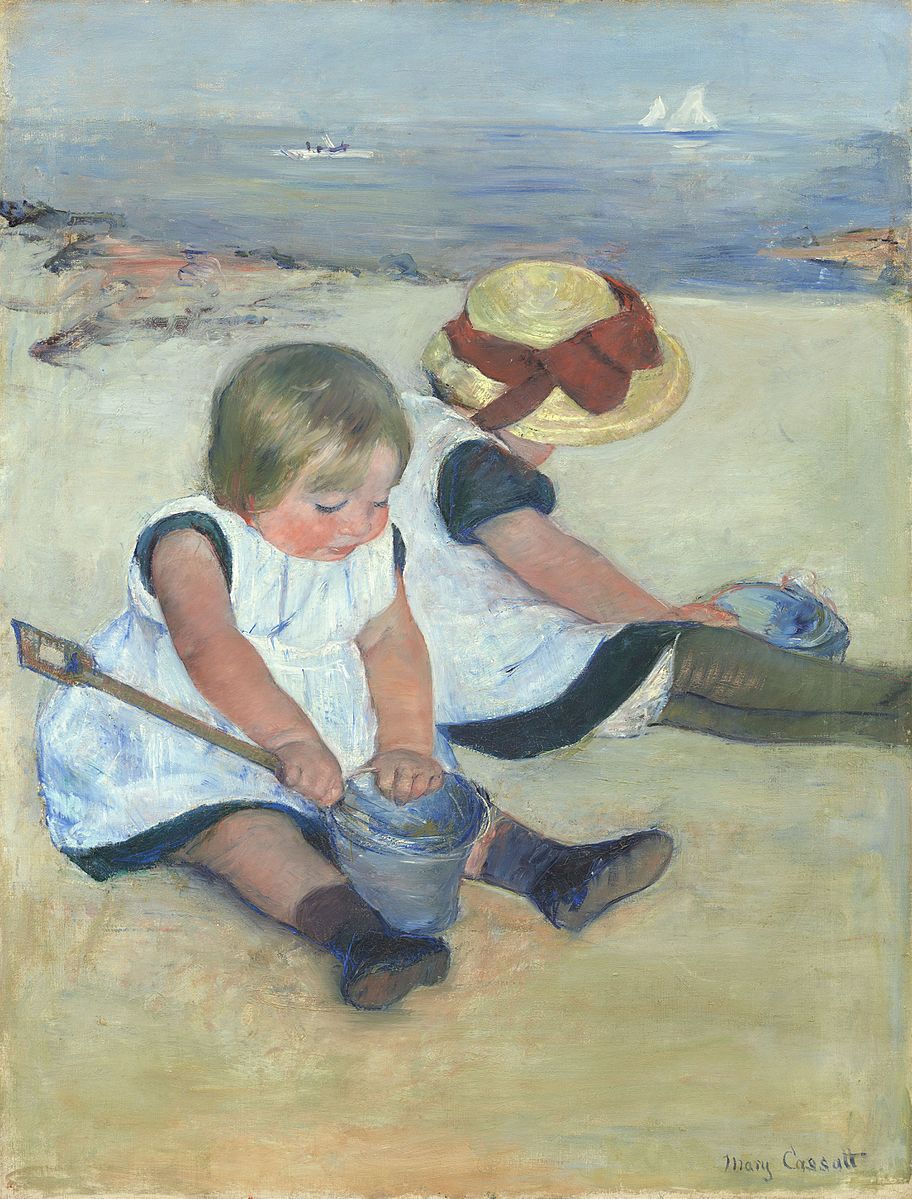 Children Playing on the Beach.1884.Mary Cassatt. Wikimedia Commons.
“Abuse is never deserved, it is an exploitation of innocence.”
Lorraine Nilon
Through an exploration of past experience in the therapy, discovering its influence on adult feelings, relationships and behaviour, clients can gain insight into the roots of psychological pain and how to manage and resolve it. This is a reparative journey, one that offers new light, new ways of seeing ourselves and the world around us.
Whilst therapy cannot make people forget trauma, it can help them to process it and manage the effects better. They become less burdened by disturbing memories and more confident that they have the inner resources to cope.
It can also be a great relief to a survivor that some of their feelings and behaviours, which they may have previously thought were crazy, can in fact be understood as responses to the abuse.
Self-renewal in therapy also involves a change in old and damaging patterns of relating to others, of ways of thinking that are outdated and/or destructive and of ways of being that bring the client and others only pain and distress.
Over time however, people discover that, in life, only some things can be mended. Tyrants can be defeated. Abusers can be dealt with and justice can prevail. Sometimes.

However, even when justice is served on the perpetrator for their crimes, the reality is that there will still be scars, irreparable damage and painful memories in the lives of their victims.
There will still be grieving of losses and the recognition that there are many aspects of life that are uncertain and out of one’s control. Recovery in therapy, and ‘reconnecting with ordinary life’ may involve gaining an accepting attitude towards that which cannot be changed.
“… sooner or later she had to give up the hope for a better past.”
Irvin D. Yalom, Staring at the Sun: Overcoming the Terror of Death
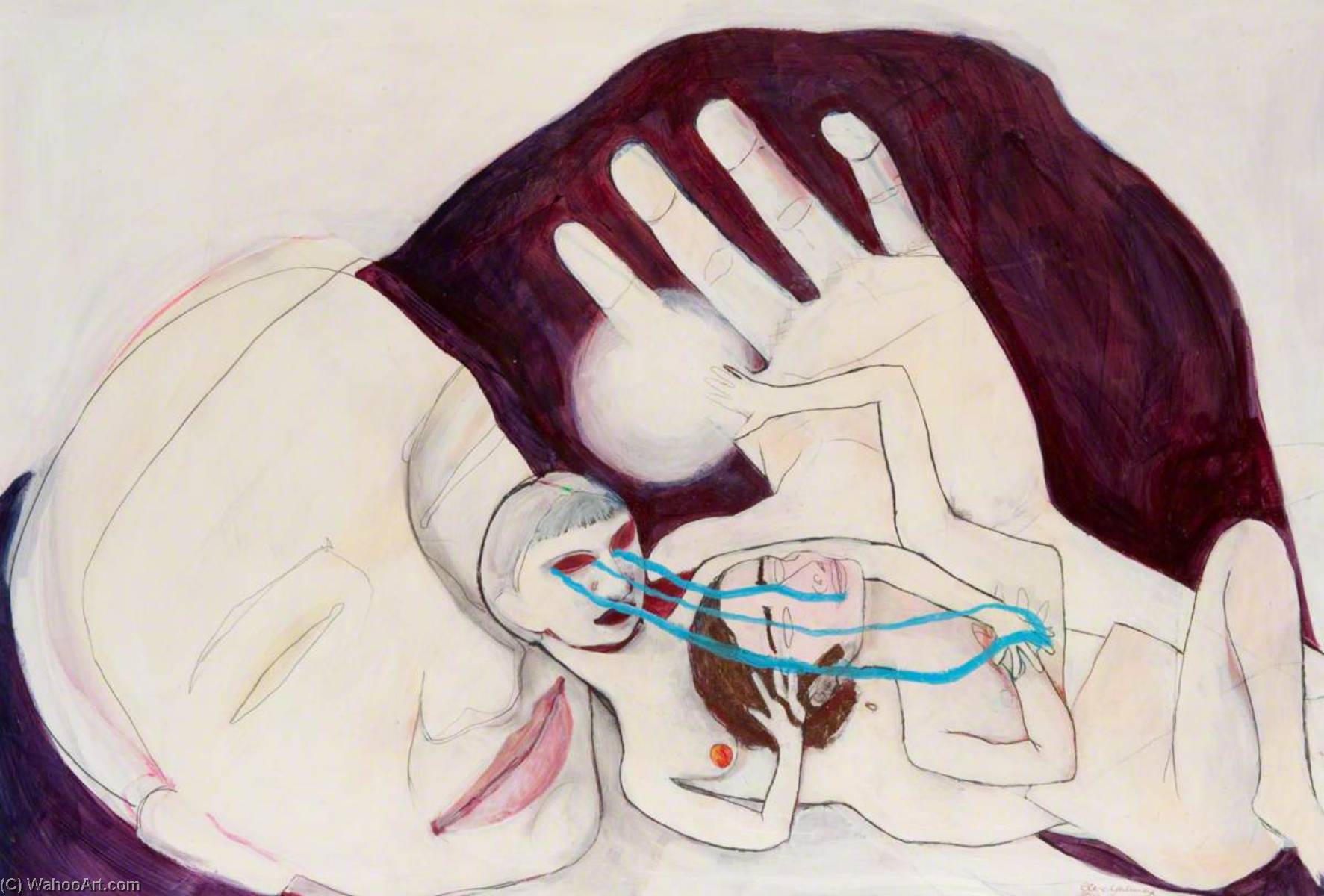 Healing (Letting Go) – Clare Galloway.2000. Wikioo.
“Healing from trauma isn’t an overnight process. It’s a lifelong journey that requires patience, support, and self-compassion.”
Jasmin Lee Cori, Healing from Trauma: A Survivor’s Guide to Understanding Your Symptoms and Reclaiming Your Life (2008)
 Carl Heuser. Portrait of an old lady with fur hat. Wikimedia Commons
“Trauma is a fact of life. It does not, however, have to be a life sentence.”
Peter A. Levine
© Linda Berman
If you have found this post, and others on my blog, valuable, please do become a follower of waysofthinking.co.uk.
 waysofthinking.co.uk
Beautiful, hopeful and helpful to my work as a student counsellor. Thank you
LikeLiked by 1 person
Thank you so much Zoe. So glad you found this post helpful.
LikeLike
Thank you for your thoughts. Each of your articles are extremely introspective, inspirational and considerate. The connections with existing history of Psychology complete with quotes and examples of the advice in application, helps beautifully for forming an understanding of it.
I stumbled upon first the excellent “The Balance Between Involvement and Professional Distance In Therapy”, and kept reading since, taking time between each to think. It’s very human and compassionate, while still honest, and surprisingly neutral – offering even opposing views at times, both reasoned out. An impressive mindset – I respect what I have seen, and appreciate having read these, and look forward to more; to those yet to be read, and to those of the future!
Thank you for your contributions to trying to help make the world a better place for even a couple people further, out of the good of your heart. I’m sure your writings have proved food for thought for many more than have commented – and will many more to come.
LikeLiked by 1 person
Thank you so much for your kind words about my blog posts. I appreciate your feedback very much…it is heartwarming to read!
LikeLike
I am not surprised. Appeals for these types of criminal cases are difficult. Common cited case here is R. v. John McAughey, 2002 ONSC 2863, you can look it up online. The appeal was for a conviction of assault on a minor in Sprucedale, Ontario in 2000.
LikeLike